


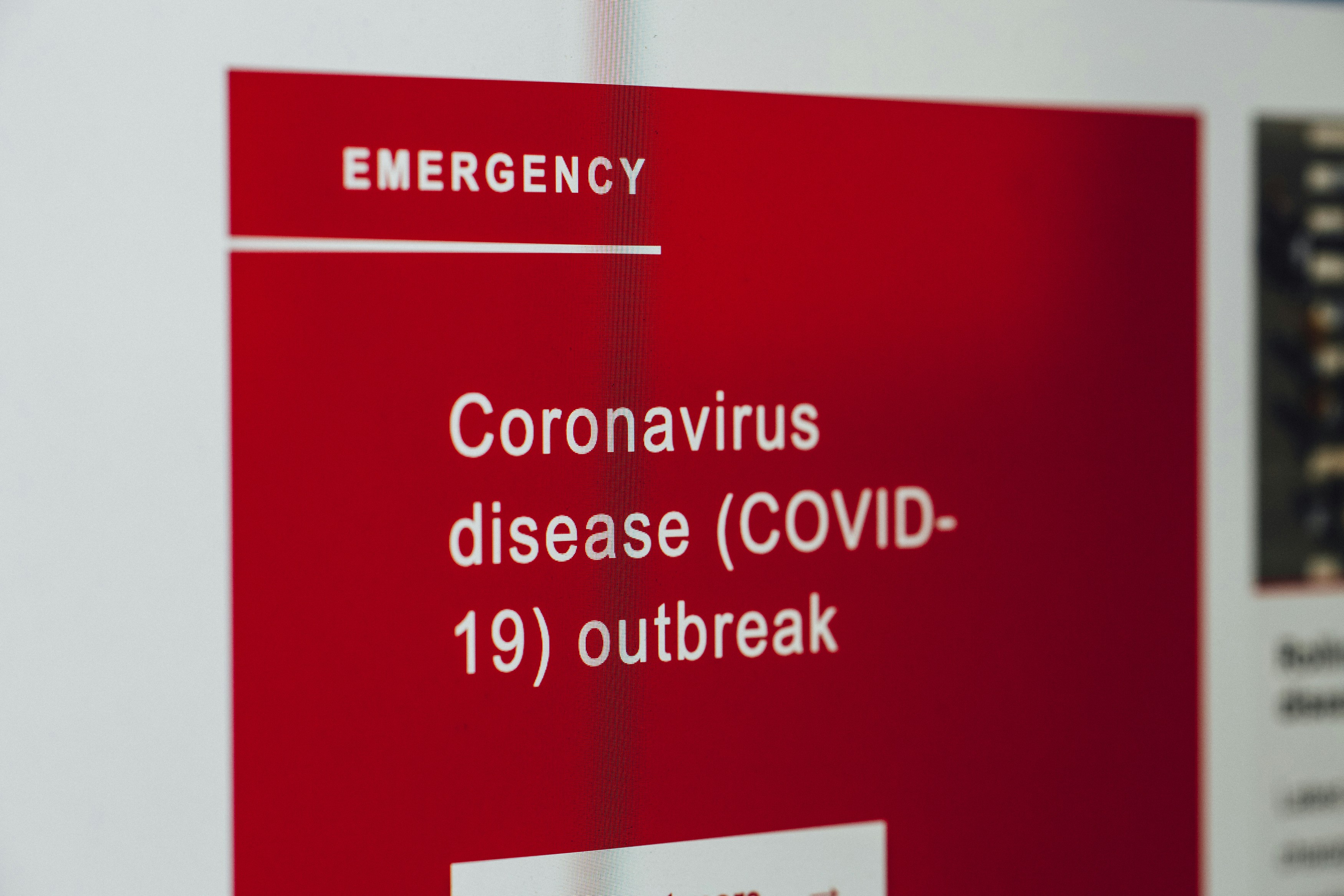
Public health trends 2026 paint a stark picture for epidemiologists and leaders, with escalating threats demanding immediate action. A Gavi insight paper identifies six major health threats poised to dominate: conflict-associated outbreaks, climate-driven arboviruses, funding shortfalls, health misinformation, Marburg virus, and Disease X.
Conflict zones like Sudan and the Democratic Republic of Congo fuel cholera surges, with deaths rising 50% in 2024 amid disrupted surveillance and services. Climate change exacerbates arboviruses; dengue cases doubled to 14.4 million last year as warmer temperatures expand mosquito habitats into new regions, including Europe.
Global health funding faces steep cuts, with official development assistance dropping 9-17% in 2025, slashing essential services by up to 70% in some low-income countries. Health misinformation, amplified by AI deepfakes, erodes vaccine confidence, while Marburg emerges in more African nations due to ecological disruptions.
Disease X looms as the unknown pathogen, with post-COVID preparedness uneven despite advances like the Pandemic Agreement and genomic surveillance (WHO).
Yet resilient strategies offer hope. Gavi’s Resilience Mechanism targets fragile settings, WHO’s R&D roadmaps for pathogen families advance One Health preparedness (WHO), and CDC priorities emphasize outbreak response (CDC).
Epidemiologists must prioritize disease outbreak preparedness through multisectoral collaboration, bolstering surveillance and community engagement to mitigate these public health trends 2026 and safeguard community health outcomes.
Population Health Trends and Disease Outbreak Preparedness in 2026
Public health trends 2026 underscore a pivotal shift toward integrated population health strategies and enhanced disease outbreak preparedness. Six years post-COVID, WHO reports progress like the Pandemic Agreement and genomic surveillance expansion to over 110 countries, alongside the Pandemic Fund’s $1.2 billion for 67 projects boosting surveillance and labs.
Yet vulnerabilities persist against threats like Disease X and climate change arboviruses. Gavi highlights dengue cases doubling to 14.4 million in 2024 as rising temperatures shorten mosquito incubation periods, expanding risks to Europe and the Middle East (Gavi).
The One Health approach addresses these intersections. WHO’s April 2026 launch of R&D roadmaps for 10 viral families and bacteria, via Collaborative Open Research Consortia, embeds One Health to accelerate countermeasures. WEF advocates strengthening multisectoral collaboration against infectious diseases and antimicrobial resistance (WEF).
CDC’s 2023-2026 priorities reinforce this with One Health focus on outbreak response and capacity building (CDC).
Quick wins for epidemiologists include:
- Expanding genomic surveillance networks for real-time pathogen tracking.
- Deploying wastewater monitoring for early Disease X signals.
- Integrating AI-driven vector control and infodemic management.
- Building cross-sectoral labs for VHFs and arboviruses in high-risk areas.
These public health trends 2026 enable proactive pandemic preparedness, fostering resilient systems that improve community health outcomes through equitable access and rapid response.
Strategic Policies for Improving Community Health Outcomes
Public health trends 2026 call for strategic health policies to bolster community health outcomes amid funding cuts and emerging threats. The 2026 Health Policy Trend Report highlights short-termism, resource constraints, and evidence gaps, urging AI-assisted synthesis, national evidence hubs, and ‘Health in All Policies’ for resilient systems.
CEPI’s recommendations for the UN Pandemic Prevention meeting prioritize the 100 Days Mission, equitable access, and accountability mechanisms to accelerate countermeasures (CEPI).
WHO’s R&D roadmaps for pathogen families via Collaborative Open Research Consortia foster One Health innovation, while the Pandemic Agreement ensures equity in genomic surveillance and MCMs.
Funding innovations counter global health funding declines: Gavi’s Leap simplifies vaccine financing with banks, and WHO’s 3 by 35 Initiative raises tobacco taxes for sustainable aid (Gavi).
Population health trends emphasize patient engagement and real-time data for CMS strategies (Quantician). Premier’s 2026 trends advocate public-private partnerships and AI (Premier).
Next steps for policymakers and NGOs:
- Institutionalize cross-party health bodies for continuity.
- Scale equity-focused interventions in fragile settings.
- Invest in genomic surveillance and AMR tracking.
These strategic health policies transform public health trends 2026 challenges into opportunities for equitable, resilient community health outcomes.
Sources
- https://www.gavi.org/vaccineswork/six-major-health-threats-could-shape-2026-heres-what-experts-are-watching
- https://www.who.int/news/item/07-04-2026-r-d-roadmaps-for-pathogen-families-to-reduce-uncertainty-about-the-next-pandemic-and-boost-coordinated-global-r-d-preparedness
- https://www.who.int/news/item/02-02-2026-six-years-after-covid-19-s-global-alarm-is-the-world-better-prepared-for-the-next-pandemic
- https://www.weforum.org/stories/2026/04/strengthen-global-health-collaboration-infectious-disease/
- https://www.cdc.gov/ncezid/media/pdfs/2025/NCEZIDGlobalHealthStrategy508.pdf
- https://static.cepi.net/downloads/2026-03/26-03-03_CEPI%20recommendations%20for%202026%20High-level%20Meeting%20on%20Pandemic%20Prevention,%20Preparedness%20and%20Response.pdf
- https://www.globalhealthpolicylab.org/health-policy-trend-report-2026
- https://www.quantician.com/blog/population-health-trends-2026-improving-quality-patient-care
- https://premierinc.com/newsroom/blog/from-resilience-to-reinvention-7-healthcare-trends-for-2026
- https://rockinst.org/blog/six-trends-in-healthcare-to-watch-in-2026/
