


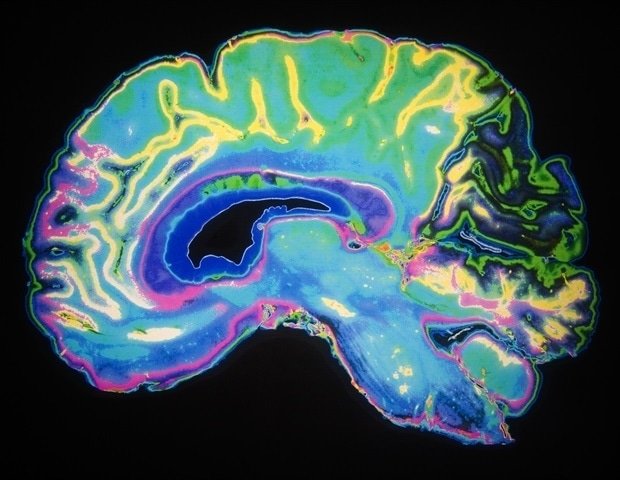
In about 1 in 1,000 pregnancies, the neural tube, an important nervous system structure, fails to close properly. Georgia Tech physicists have uncovered the physics that cause neural tube closure during the early stages of pregnancy, helping to understand why this happens.
Researchers at the Georgia Institute of Technology and colleagues at University College London (UCL) used computer models to show how forces generated by cells during early development physically pull the neural tube shut, like a purse string. The discovery provides new insight into a critical process that, when disrupted, can cause severe birth defects such as spina bifida.
“Understanding complex developmental processes like neural tube closure requires a highly interdisciplinary approach,” says Shiladitya Banerjee, associate professor in the Department of Physics. “By combining advanced biological imaging with theoretical physics, we have been able to uncover the mechanical rules that drive cells to close their tubes. In my lab, we build computational models to reveal the physical rules of living systems. The neural tube is an ideal focus because its formation requires incredible mechanical coordination.”
The researchers presented their findings as follows. Current Biology.
fill the gap
The UCL team studied mouse embryos, which develop similarly to humans, and Georgia Tech researchers used that data to build a model. From the data, they identified the basic physical mechanisms that allow the neural tube to close in parts of the brain. This mechanism, called the “purse string”, is made of actin, a vital protein that forms the skeletal structure of cells. When the purse strings tighten, the tube closes.
“These actin molecules are very important because they give rigidity and shape to cells,” Banerjee said.
“When the neural tube closes, actin filaments form a ring around the opening and engage molecular motors, which are force-generating proteins within the cell,” he said. “When these motors pull on the actin, they create tension that tightens the ring and closes the tube.”
stretch to fit
When the actin ring tightens, the cells stretch and elongate, aligning and moving in a synchronized pattern like a school of fish. This adjustment allows cells to move faster and more efficiently, increasing tension and driving a feedback loop that helps seal the neural tube.
The research team built a computer model that shows how this feedback loop leads to successful neural tube formation. Further studies using this model may help explain why the neural tube does not close.
“Physically-based modeling of cell and tissue mechanics allows us to connect the dots between developmental stages in a robust and quantitative way, allowing us to simulate experiments that are not possible with biological tissue,” said study co-author and UCL group leader Gabriel Galea. “In this case, we were able to explain how a cell’s mechanical experience influences its current and future shape during a critical stage of brain development.”
The findings highlight the power of physically-based modeling to go beyond neural tube development and explain complex biological processes that cannot be directly observed. The researchers say this approach could be applied to other stages of human development where force, movement and timing are equally important.
Banerjee Lab’s computational research is funded by the National Institute of General Medical Sciences.
sauce:
Georgia Tech
Reference magazines:
DOI: 10.1016/j.cub.2026.02.068
