


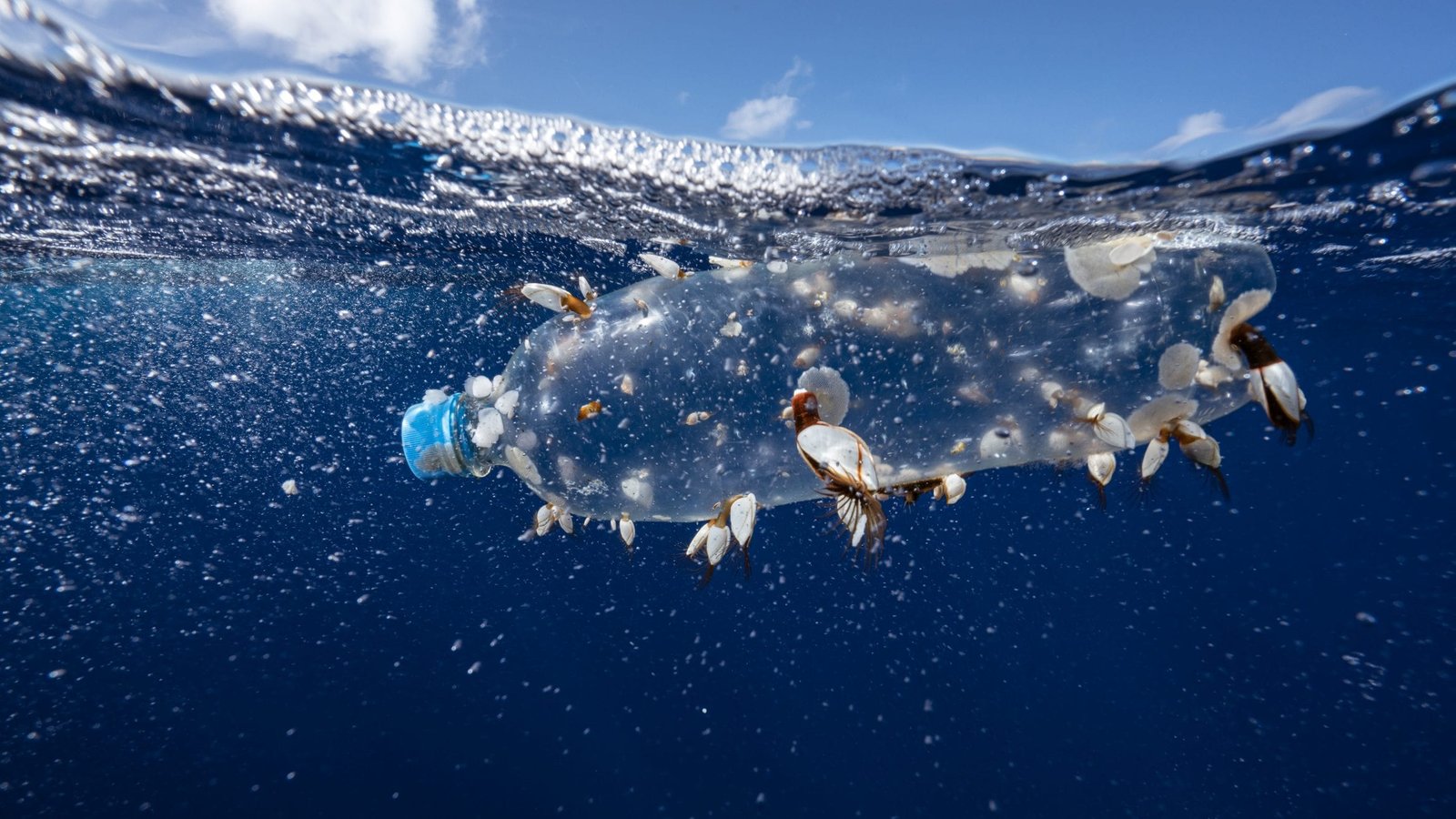
Three quarters of the marine mammals most vulnerable to plastic pollution are already at risk of extinction, according to a new study published today in Conservation Biology.
Macroplastics include plastic pollutants present in the environment that are larger than 5 mm, which is about the size of a pencil eraser. This includes everything from plastic packaging to ghost gear.
The new study, co-authored by scientists from the Ocean Conservancy, Arizona State University, and the Shaw Institute, ranks marine mammals for the first time in how vulnerable they are to plastic pollution.
It is estimated that 11 million tonnes of plastic enters our oceans each year. This is the equivalent of dumping a full garbage truck into the ocean every minute.
The five species most at risk of population decline from macroplastics include the Hawaiian monk seal, African manatee, Australian sea lion, porpoise, and Mediterranean monk seal.
According to common species groupings, Sirenians, including manatees and dugongs, are the most vulnerable.
The study used the International Union for Conservation of Nature’s (IUCN) list of 125 species classified as marine mammals (excluding polar bears, which live most of their lives on land) and scored species according to 11 traits associated with long-term survival.
These include the likelihood that animals will be exposed, their relative susceptibility to plastic, and how well animal populations can recover from stressors.
We then assigned scores based on vulnerability and ranked them as high, medium-high, medium, medium-low, and low.
Of the 117 marine mammals assessed, more than one in three are red listed as endangered, endangered or endangered, according to the IUCN. And of the 22 marine mammals in the highest-risk groups, 17 are listed as vulnerable, endangered, or endangered.

