

Close Menu

    Subscribe to Updates

    Get the latest creative news from FooBar about art, design and business.

    What's Hot

    Although data are limited, the risk of bladder toxicity in psychiatric ketamine patients appears to be low

    April 12, 2026

    Low doses of LSD alter emotional brain responses in patients with mild depression

    April 12, 2026

    Narcissistic traits are linked to brain regions responsible for emotional control

    April 12, 2026
    Facebook X (Twitter) Instagram
    Facebook X (Twitter) Instagram
    Health Magazine
    • Home
    • Environmental Health
    • Health Technology
    • Medical Research
    • Mental Health
    • Nutrition Science
    • Pharma
    • Public Health
    • Discover
      • Daily Health Tips
      • Financial Health & Stability
      • Holistic Health & Wellness
      • Mental Health
      • Nutrition & Dietary Trends
      • Professional & Personal Growth
    • Our Mission
    Health Magazine
    Home » News » Discovery from 110,000 years ago rewrites human history: Neanderthals and Homo sapiens were working together
    Nutrition Science

    Discovery from 110,000 years ago rewrites human history: Neanderthals and Homo sapiens were working together

    healthadminBy healthadminApril 12, 2026No Comments4 Mins Read
    Discovery from 110,000 years ago rewrites human history: Neanderthals and Homo sapiens were working together
    Share
    Facebook Twitter Reddit Telegram Pinterest Email


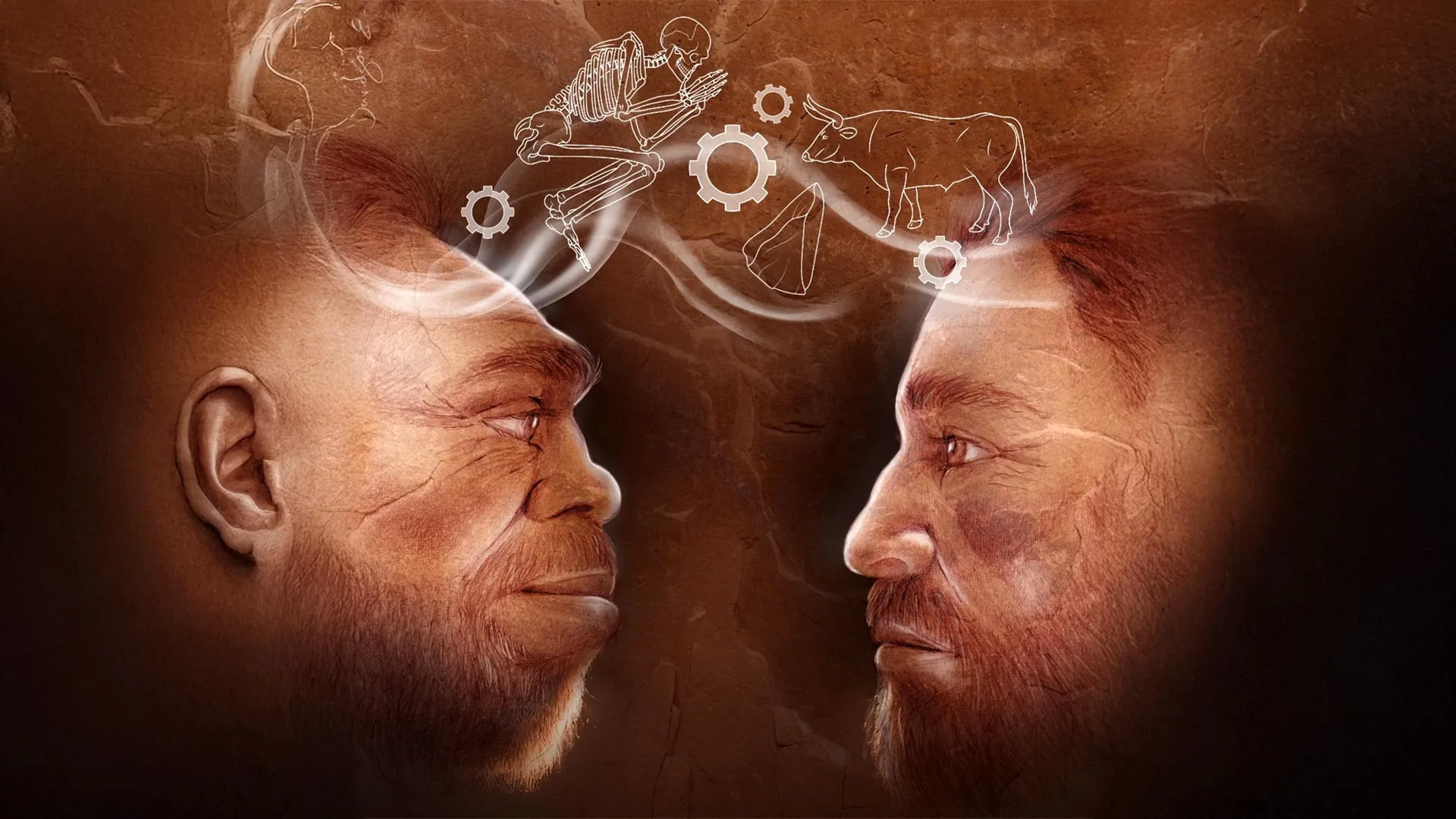
    The first published study of Tinshemet Cave is changing the way scientists understand the relationship between Neanderthals and Homo sapiens. Evidence from this site indicates that these groups did not simply live together during the Middle Paleolithic period of the Middle Levant. They interacted directly, sharing tools, lifestyles, and even burial customs. These interactions seem to have fostered cultural growth, more complex social behavior, and innovations such as the symbolic use of ocher for formal burials and decoration. The findings point out that the Levant served as a major crossroads in human history, and that human interaction, rather than isolation, was the primary driver of early technological and cultural progress.

    Tinshemet Cave, located in central Israel, produces an excellent collection of archaeological and human remains. Among the most important discoveries are several human burials, the first Middle Paleolithic (MP) burials discovered in more than 50 years. These discoveries provide valuable insight into how early human groups lived and treated their dead.

    This study nature human behaviorpresents the results from the site first. This provides strong evidence that Neanderthals and Homo sapiens not only shared territory, but also influenced each other’s daily activities, technology, and rituals. This challenges previous thinking that viewed these groups as broadly separate, suggesting instead a much closer and more complex relationship.

    Scientists investigate human relationships with Neanderthals

    Excavation of Tin Shemet Cave began in 2017 and was led by Professor Yossi Zeidner of the Hebrew University of Jerusalem, Professor Israel Hershkovitz of Tel Aviv University, and Dr. Marion Prevost of the Hebrew University of Jerusalem. One of the central questions guiding the research is how Neanderthals and Homo sapiens interacted during the Middle Paleolithic in this region. Researchers are investigating whether these groups competed, peacefully coexisted, or cooperated in meaningful ways.

    To answer this, the research team examined evidence across four key areas: stone tool production, hunting strategies, symbolic behavior, and social complexity. Their analysis suggests that multiple human groups, including Neanderthals, pre-Neanderthals, and Homo sapiens, maintained continuous contact. These interactions spread ideas and skills, and over time, the various groups became increasingly culturally similar.

    Shared rituals and early symbolism

    The study also points to important behavioral developments triggered by these connections. About 110,000 years ago, the world’s first formal burials began to take place in Israel. This change may reflect stronger social ties and shared traditions between groups.

    One of the striking features of this cave is the widespread use of mineral pigments, especially ocher. Researchers believe it may have been used to decorate the body and as a means of expressing identity or distinguishing groups. This kind of symbolic behavior suggests a deeper level of social meaning than previously recognized.

    Was Tinshemet Cave an ancient cemetery?

    The placement of burials at the site raises the possibility that Tinshemet Cave may have functioned as a dedicated burial site or early cemetery. If so, it would demonstrate organized rituals and strong community ties. Objects placed next to the dead, such as stone tools, animal bones, and ocher fragments, may also suggest early beliefs about life after death.

    Crossroads of human evolution

    Professor Zeidner describes the region as a melting pot, where different human groups come together and influence each other. “Our data shows that human connections and people-to-people exchanges have been fundamental in driving cultural and technological innovation throughout history,” he explains.

    Dr. Prevot emphasizes the importance of geography in shaping these interactions. “During the mid-MP period, improved climate increased the carrying capacity of the region, leading to demographic expansion and enhanced contacts between different human taxa.”

    Professor Hershkovitz emphasizes how closely related these groups may have been. “These findings paint a picture of dynamic interactions shaped by both cooperation and competition.”

    New insights into early human society

    The discoveries at Tinshemet Cave allow us to examine in detail the social life, behavior and environment of early humans. These reveal a period of significant population growth and cultural change caused by contact between different human groups. As research in the field progresses, scientists hope to make further discoveries that could improve their understanding of how human societies first began to form.


    Source link

    Visited 1 times, 1 visit(s) today
    Share. Facebook Twitter Pinterest LinkedIn Telegram Reddit Email
    Previous ArticleExtreme athletes helped scientists unravel deep evolutionary secrets of human survival
    Next Article Your breathing pattern is as unique as your fingerprint
    healthadmin

    Related Posts

    Neanderthals may have hunted and ate outsiders, horrifying cannibalism research reveals

    April 12, 2026

    Why Ozempic doesn’t work for everyone: Scientists have discovered the hidden reason

    April 12, 2026

    How advanced breast cancer disables the immune system

    April 12, 2026

    Breakthrough nanodisc technology reveals hidden weaknesses in HIV and Ebola

    April 12, 2026

    The universe is expanding rapidly, but scientists still can’t explain it

    April 12, 2026

    Life on Mars? Tiny cells survived shock waves and toxic soil

    April 12, 2026
    Add A Comment
    Leave A Reply Cancel Reply

    Categories

    • Daily Health Tips
    • Discover
    • Environmental Health
    • Exercise & Fitness
    • Featured
    • Featured Videos
    • Financial Health & Stability
    • Fitness
    • Fitness Updates
    • Health
    • Health Technology
    • Healthy Aging
    • Healthy Living
    • Holistic Healing
    • Holistic Health & Wellness
    • Medical Research
    • Medical Research & Insights
    • Mental Health
    • Mental Wellness
    • Natural Remedies
    • New Workouts
    • Nutrition
    • Nutrition & Dietary Trends
    • Nutrition & Superfoods
    • Nutrition Science
    • Pharma
    • Preventive Healthcare
    • Professional & Personal Growth
    • Public Health
    • Public Health & Awareness
    • Selected
    • Sleep & Recovery
    • Top Programs
    • Weight Management
    • Workouts
    Popular Posts
    • the-pros-and-cons-of-paleo-dietsThe Pros and Cons of Paleo Diets: What Science Really Says April 16, 2025
    • Improve Mental Health10 Science-Backed Practices to Improve Mental Health… March 11, 2025
    • How Healthy Living Is Transforming Modern Wellness TrendsHow Healthy Living Is Transforming Modern Wellness… December 3, 2025
    • Kankakee_expansion.jpgCSL releases details of $1.5 billion U.S.… March 10, 2026
    • urlhttps3A2F2Fcalifornia-times-brightspot.s3.amazonaws.com2Fc32Fcd2F988500d440f2a55515940909.jpegA ‘reckless’ scrapyard with a history of… October 24, 2025
    • Healthy Living: Expert Tips to Improve Your Health in 2026Healthy Living: Expert Tips to Improve Your Health in 2026 November 16, 2025

    Demo
    Stay In Touch
    • Facebook
    • Twitter
    • Pinterest
    • Instagram
    • YouTube
    • Vimeo
    Don't Miss

    Although data are limited, the risk of bladder toxicity in psychiatric ketamine patients appears to be low

    By healthadminApril 12, 2026

    A new review of clinical studies suggests that people receiving ketamine for mental health conditions…

    Low doses of LSD alter emotional brain responses in patients with mild depression

    April 12, 2026

    Narcissistic traits are linked to brain regions responsible for emotional control

    April 12, 2026

    Neanderthals may have hunted and ate outsiders, horrifying cannibalism research reveals

    April 12, 2026

    Subscribe to Updates

    Get the latest creative news from SmartMag about art & design.

    HealthxMagazine
    HealthxMagazine

    At HealthX Magazine, we are dedicated to empowering entrepreneurs, doctors, chiropractors, healthcare professionals, personal trainers, executives, thought leaders, and anyone striving for optimal health.

    Our Picks

    Neanderthals may have hunted and ate outsiders, horrifying cannibalism research reveals

    April 12, 2026

    Can playing video games make kids feel better about their bodies?

    April 12, 2026

    Why Ozempic doesn’t work for everyone: Scientists have discovered the hidden reason

    April 12, 2026
    New Comments
      Facebook X (Twitter) Instagram Pinterest
      • Home
      • Privacy Policy
      • Our Mission
      © 2026 ThemeSphere. Designed by ThemeSphere.

      Type above and press Enter to search. Press Esc to cancel.