


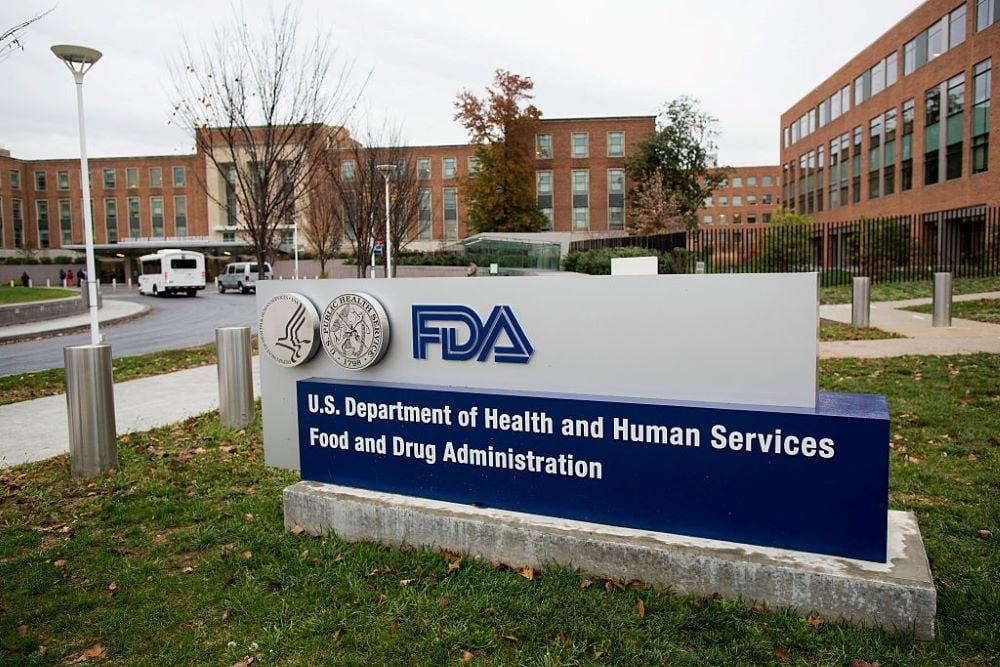
Amneal and BioCorRx have drawn the ire of the FDA’s Office of Prescription Drug Promotion (OPDP), where both companies are accused of violating the agency’s drug marketing regulations.
The two drug companies received separate, untitled letters from U.S. regulators in late March detailing the violations, and both were published on the FDA’s website on April 9.
The letter to BioCorRx (PDF) centers on the company’s consumer webpage for Lucemyra (lofexidine), a non-opioid prescription drug used by adults to alleviate symptoms of opioid withdrawal.
The FDA said the drug’s “webpage is false or misleading (and) misbrands Lucemilla.” This misbranding stems from the site’s claim that Lucemilla is “the only FDA-approved non-opioid drug proven to be effective in treating opioid withdrawal symptoms.”
The FDA notes that it has in fact given the green light to other lofexidine products for the same indication.
Regulators also took umbrage at the company’s decision to highlight the American Society of Addiction Medicine’s 2020 guidance in big bold letters. The guidance states that lofexidine “should therefore be the preferred option for withdrawal management in outpatient settings where blood pressure monitoring and management of hypotension are more difficult.”
But the FDA notes that, by contrast, the drug’s full risk information is “not very prominent, appearing separately under the heading ‘Click to view full important safety and prescribing information.'”
“The overall effect of this presentation is to undermine the communication of important risk information, thereby misleadingly minimizing the risks associated with the use of Lucemira,” OPDP said in the letter.
The other letter (PDF) concerned Amneal and its drug Alimsys (bevacizumab mari), a biosimilar to Roche’s tumor drug Avastin. Specifically, OPDP said the direct-to-consumer patient brochure is “misleading” because it does not fully indicate Alimsys’ FDA-approved indications.
“The presentation of indications for Alimsis omits certain patient populations and its specific administration in combination with other chemotherapy,” OPDP found.
The letter also details how the brochure fails to “disclose significant risk information regarding the significant risks associated with Alimsis,” including that it may harm the fetus when given to pregnant women and minimize other risk factors.
This includes the claim that all patients can expect side effects to resolve over time “even if they do not,” the FDA said.
Both companies had 15 days from receipt of the letter to respond with a plan to address the promotional violations.
