


Scientists have used a cutting-edge cell therapy called CAR-T for the first time to treat patients with three different life-threatening autoimmune diseases that had resisted years of treatment. The patient, who once required daily blood transfusions, has been in remission without the need for additional treatment for one year after CAR-T therapy. Case report published April 9 in Cell Press journal andsuggesting that CAR-T therapy may be useful in treating complex and severe autoimmune diseases.
This treatment was very effective in getting rid of three autoimmune diseases at once. After suffering from the disease for more than 10 years, the patient is now in remission without treatment and is able to return to a nearly normal life. This therapy significantly improved her quality of life. ”
Fabian Müller, corresponding author, University Hospital Erlangen, Germany
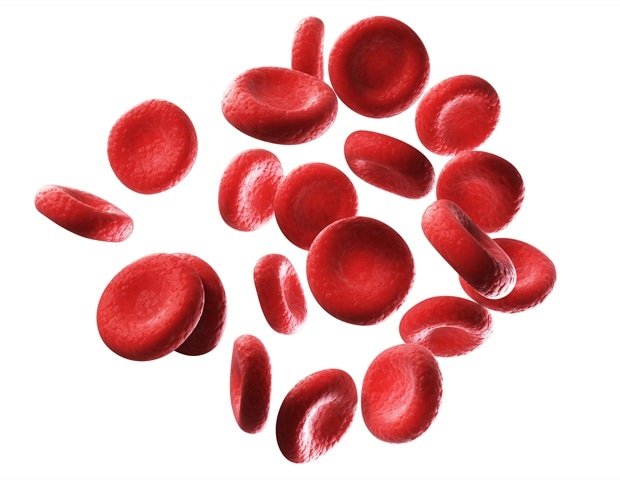
In 2025, Muller and his team encountered a 47-year-old female patient with severe autoimmune hemolytic anemia (AIHA), a disease in which the immune system mistakenly attacks and destroys red blood cells.
In addition to AIHA, she had been diagnosed with two other autoimmune diseases with nearly contradictory symptoms. She had immune thrombocytopenia (ITP), a disease in which the immune system is dysregulated and destroys platelets and increases the risk of bleeding, and antiphospholipid antibody syndrome, which increases the risk of dangerous blood clots forming in blood vessels.
Since the patient was diagnosed more than 10 years ago, she has received nine types of treatment, including antibody treatments, steroids, and immunosuppressants. None had any lasting effects.
When she met with Muller’s team, which had successfully treated patients with severe rheumatic autoimmune diseases (including systemic lupus erythematosus, a disease in which the body’s immune cells malfunction and attack healthy tissue), the patients relied on daily blood transfusions to manage anemia and permanent blood thinners to prevent blood clots.
When all standard treatments failed, the research team offered her CAR-T cell therapy. CAR T-cell therapy is a type of “living drug” that uses a patient’s own immune cells to attack harmful cells and is used to treat several cancers, including leukemia (blood cancer) and lymphoma (lymph node cancer). Dysregulated B cells appear to be causing this patient’s three diseases.
To develop the treatment, the team extracted patients’ white blood cells and isolated T cells, immune cells that actively scan and destroy infected or abnormal cells in the body. The researchers then re-engineered the patients’ T cells to recognize a protein called CD19 found on B cells, the immune cells that produce antibodies. The CAR-T cells were then injected back into the patient to find and remove any B cells.
The clinical effects were significant. The patient required his last blood transfusion just one week after treatment. After 2 weeks, she reported feeling stronger and able to carry out daily activities. Three weeks after finishing treatment, her levels of hemoglobin, a protein in red blood cells, had doubled and returned to normal. This suggests that her immune system is no longer destroying red blood cells.
At the same time, this therapy also improved her other autoimmune diseases. Her antiphospholipid antibody levels, which are associated with dangerous blood clots, gradually decreased and remained negative. My platelet count also stabilized.
“After more than 10 years of illness, the patient’s blood counts normalized in just a few weeks. The speed and depth of the response was amazing,” Muller said.
He added that the reason the therapy worked so effectively was probably because the CAR-T cells were able to enter different tissues throughout the body and eliminate all dysregulated cells, both in their maturation and development stages. When the patient’s B cells finally returned several months later, they were made up almost entirely of naive cells, suggesting that the treatment had reset the immune system.
One year after treatment ended, the patient still does not require blood transfusions or other treatments. She still has a low white blood cell count and mildly elevated liver enzymes related to potential damage to the bone marrow and liver, but the research team says these symptoms may be related to years of previous treatments rather than the CAR-T therapy itself.
“We believe that early use of CAR-T therapy in patients with severe autoimmune diseases may help prevent complications caused by years of ineffective treatment,” Professor Muller says. “If we can intervene sooner, we may be able to stop the progression of the disease, avoid organ damage, and give patients their lives back.”
This study was supported by the Erlangen Interdisciplinary Center for Clinical Research, the German Federal Ministry for Research, Technology and Space, the German Research Foundation, the Bavarian Cancer Research Center, the Federal Ministry of Education and Research, and the Staedtler Foundation.
sauce:
Reference magazines:
Corte, I.K. Others. (2026). CD19 CAR-T therapy induces remission of refractory autoimmune hemolytic anemia with ITP and antiphospholipid syndrome. and. DOI: 10.1016/j.medj.2026.101075. https://www.cell.com/med/fulltext/S2666-6340(26)00078-4
