

Close Menu

    Subscribe to Updates

    Get the latest creative news from FooBar about art, design and business.

    What's Hot

    Scientists finally find out why promising anti-cancer drugs keep failing

    April 10, 2026

    Dragonflies can see colors that humans can’t see, which could change medicine

    April 10, 2026

    Goodbye colonoscopy? New stool test detects 90% of colorectal cancers

    April 10, 2026
    Facebook X (Twitter) Instagram
    Facebook X (Twitter) Instagram
    Health Magazine
    • Home
    • Environmental Health
    • Health Technology
    • Medical Research
    • Mental Health
    • Nutrition Science
    • Pharma
    • Public Health
    • Discover
      • Daily Health Tips
      • Financial Health & Stability
      • Holistic Health & Wellness
      • Mental Health
      • Nutrition & Dietary Trends
      • Professional & Personal Growth
    • Our Mission
    Health Magazine
    Home » News » Goodbye colonoscopy? New stool test detects 90% of colorectal cancers
    Nutrition Science

    Goodbye colonoscopy? New stool test detects 90% of colorectal cancers

    healthadminBy healthadminApril 10, 2026No Comments4 Mins Read
    Goodbye colonoscopy? New stool test detects 90% of colorectal cancers
    Share
    Facebook Twitter Reddit Telegram Pinterest Email


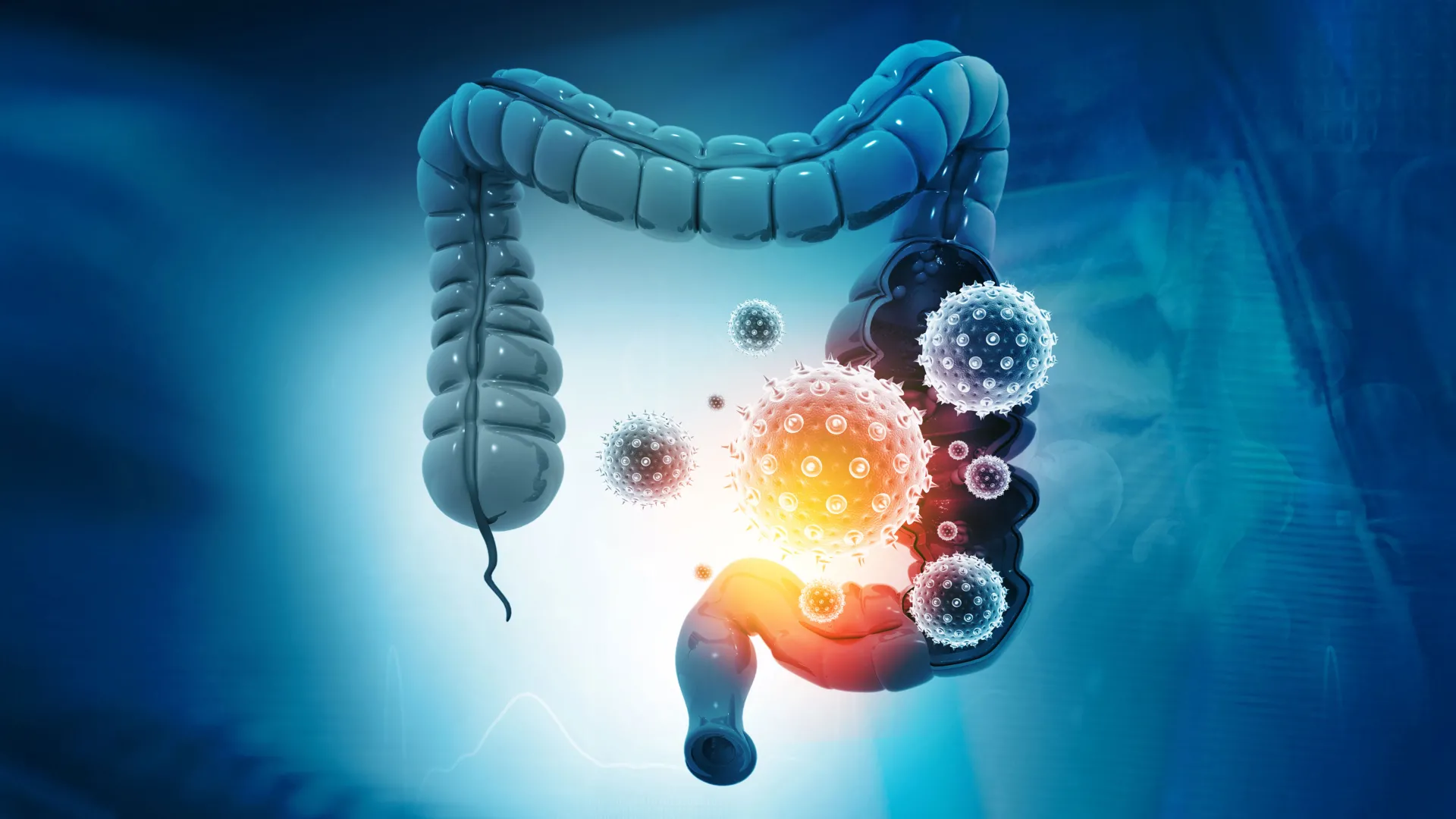
    Colorectal cancer is the second leading cause of cancer-related death worldwide. If detected early, it is often highly treatable. However, the main screening method used today, colonoscopies, can be expensive and uncomfortable, making many people reluctant to undergo the test on time.

    Researchers at the University of Geneva (UNIGE) have developed a new approach that could change this. They used machine learning to create the first detailed catalog of all human gut bacteria with enough precision to reveal how different microbial subgroups function in the body. This information was then used to detect colorectal cancer based on bacteria in a simple stool sample, providing a non-invasive, low-cost alternative. The findings, published in Cell Host & Microbe, could also help scientists better understand how the gut microbiome influences overall health and disease.

    Why we need better screening tools

    Colorectal cancer is often diagnosed late and treatment options are limited. This highlights the urgent need for simpler, less invasive screening methods, especially as cases continue to rise among young adults for reasons that remain unclear.

    Scientists have long known that the gut microbiome is involved in colorectal cancer. However, converting that knowledge into actual medical tools has been difficult. One major challenge is that different strains within the same bacterial species can behave very differently. Some contribute to the development of cancer, while others have no effect at all.

    Focus on microbiome subspecies

    “Rather than relying on analyzes of the various species that make up the microbiome, which do not capture all the meaningful differences, and the bacterial strains that vary widely from individual to individual, we focused on an intermediate level of the microbiome: subspecies,” explains Mirko Trajkovsky, full professor in the Department of Cell Physiology and Metabolism and Diabetes Center at UNIGE Faculty of Medicine, who led the study.

    “Vanant resolution is specific and can capture differences in how bacteria function and contribute to diseases such as cancer, but at the same time remains general enough to detect changes between different groups of individuals, populations, or countries.”

    Deciphering your gut using machine learning

    This study required analysis of large amounts of biological data. “As bioinformaticians, our challenge was to come up with innovative approaches for analyzing large amounts of data,” says Matija Triković, a doctoral student in Trajkowski’s lab and lead author of the study.

    “We have successfully developed the first comprehensive catalog of human gut microbiota subspecies and developed accurate and efficient methods to use it in both research and clinical practice.”

    A stool test comparable to a colonoscopy

    By combining the bacterial catalog with existing clinical datasets, the research team built a model that can identify colorectal cancer using only stool samples. The results exceeded expectations.

    “We were confident in our strategy, but the results were surprising,” says Matija Triković. “Our method detected 90% of cancer cases, which is very close to the 94% detection rate achieved with colonoscopy and better than all current non-invasive detection methods.”

    Additional clinical data could make the model even more accurate and ultimately match colonoscopy performance. In practice, this type of test can be used for routine screening, and colonoscopies are only used to confirm positive cases.

    Expanding beyond cancer detection

    To better define the cancer stages and lesions that can be detected with this method, clinical trials are currently being prepared in collaboration with the University Hospitals of Geneva (HUG).

    Its impact extends far beyond colorectal cancer. By examining differences between subspecies within the same bacterial species, researchers can begin to uncover how the gut microbiome influences a wide range of health conditions.

    “Using the same method, it will soon be possible to develop non-invasive diagnostic tools for a wide range of diseases based on a single microbiome analysis,” concludes Mirko Trajkowski.


    Source link

    Visited 1 times, 1 visit(s) today
    Share. Facebook Twitter Pinterest LinkedIn Telegram Reddit Email
    Previous ArticleTargeted diet helps reprogram aggressive neuroblastoma in mice
    Next Article Dragonflies can see colors that humans can’t see, which could change medicine
    healthadmin

    Related Posts

    Scientists finally find out why promising anti-cancer drugs keep failing

    April 10, 2026

    Dragonflies can see colors that humans can’t see, which could change medicine

    April 10, 2026

    Scientists have discovered a hidden ‘drainage channel’ in the human brain

    April 9, 2026

    Your brain can be tricked into liking artificial sweeteners

    April 9, 2026

    The world is getting brighter at night, but it’s getting darker in some places

    April 9, 2026

    Scientists discover hidden gut trigger behind ALS and dementia

    April 9, 2026
    Add A Comment
    Leave A Reply Cancel Reply

    Categories

    • Daily Health Tips
    • Discover
    • Environmental Health
    • Exercise & Fitness
    • Featured
    • Featured Videos
    • Financial Health & Stability
    • Fitness
    • Fitness Updates
    • Health
    • Health Technology
    • Healthy Aging
    • Healthy Living
    • Holistic Healing
    • Holistic Health & Wellness
    • Medical Research
    • Medical Research & Insights
    • Mental Health
    • Mental Wellness
    • Natural Remedies
    • New Workouts
    • Nutrition
    • Nutrition & Dietary Trends
    • Nutrition & Superfoods
    • Nutrition Science
    • Pharma
    • Preventive Healthcare
    • Professional & Personal Growth
    • Public Health
    • Public Health & Awareness
    • Selected
    • Sleep & Recovery
    • Top Programs
    • Weight Management
    • Workouts
    Popular Posts
    • the-pros-and-cons-of-paleo-dietsThe Pros and Cons of Paleo Diets: What Science Really Says April 16, 2025
    • Improve Mental Health10 Science-Backed Practices to Improve Mental Health… March 11, 2025
    • How Healthy Living Is Transforming Modern Wellness TrendsHow Healthy Living Is Transforming Modern Wellness… December 3, 2025
    • Kankakee_expansion.jpgCSL releases details of $1.5 billion U.S.… March 10, 2026
    • urlhttps3A2F2Fcalifornia-times-brightspot.s3.amazonaws.com2Fc32Fcd2F988500d440f2a55515940909.jpegA ‘reckless’ scrapyard with a history of… October 24, 2025
    • Healthy Living: Expert Tips to Improve Your Health in 2026Healthy Living: Expert Tips to Improve Your Health in 2026 November 16, 2025

    Demo
    Stay In Touch
    • Facebook
    • Twitter
    • Pinterest
    • Instagram
    • YouTube
    • Vimeo
    Don't Miss

    Scientists finally find out why promising anti-cancer drugs keep failing

    By healthadminApril 10, 2026

    For more than a decade, scientists have been testing a class of cancer drugs known…

    Dragonflies can see colors that humans can’t see, which could change medicine

    April 10, 2026

    Goodbye colonoscopy? New stool test detects 90% of colorectal cancers

    April 10, 2026

    Targeted diet helps reprogram aggressive neuroblastoma in mice

    April 10, 2026

    Subscribe to Updates

    Get the latest creative news from SmartMag about art & design.

    HealthxMagazine
    HealthxMagazine

    At HealthX Magazine, we are dedicated to empowering entrepreneurs, doctors, chiropractors, healthcare professionals, personal trainers, executives, thought leaders, and anyone striving for optimal health.

    Our Picks

    Targeted diet helps reprogram aggressive neuroblastoma in mice

    April 10, 2026

    New 3D organoid model advances pediatric glioma research and treatment

    April 10, 2026

    New combination therapy points to safer approach to Alzheimer’s disease treatment

    April 10, 2026
    New Comments
      Facebook X (Twitter) Instagram Pinterest
      • Home
      • Privacy Policy
      • Our Mission
      © 2026 ThemeSphere. Designed by ThemeSphere.

      Type above and press Enter to search. Press Esc to cancel.