

Close Menu

    Subscribe to Updates

    Get the latest creative news from FooBar about art, design and business.

    What's Hot

    How different types of exercise affect mood and brain chemistry

    July 17, 2026

    Exposure to high temperatures during pregnancy may slow the growth of your child’s thalamus

    July 17, 2026

    Weekly Rundown: SpotitEarly partners with HITLAB

    July 17, 2026
    Facebook X (Twitter) Instagram
    Facebook X (Twitter) Instagram
    Health Magazine
    • Home
    • Environmental Health
    • Health Technology
    • Medical Research
    • Mental Health
    • Nutrition Science
    • Pharma
    • Public Health
    • Discover
      • Daily Health Tips
      • Financial Health & Stability
      • Holistic Health & Wellness
      • Mental Health
      • Nutrition & Dietary Trends
      • Professional & Personal Growth
    • Our Mission
    Health Magazine
    Home » News » Ancient farmers accidentally created aggressive ‘warrior’ wheat
    Nutrition Science

    Ancient farmers accidentally created aggressive ‘warrior’ wheat

    healthadminBy healthadminApril 8, 2026No Comments3 Mins Read
    Ancient farmers accidentally created aggressive ‘warrior’ wheat
    Share
    Facebook Twitter Reddit Telegram Pinterest Email


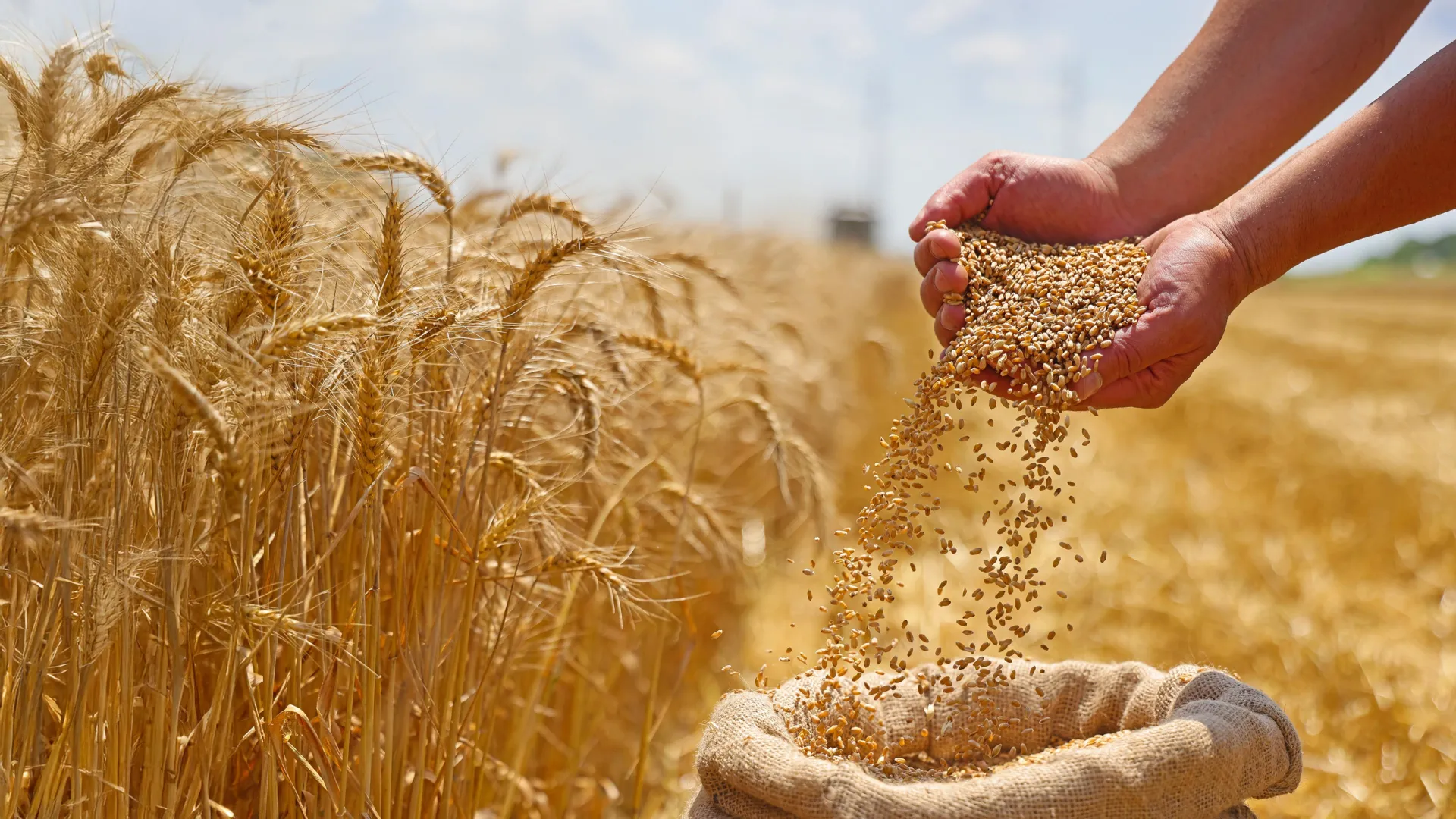
    New research suggests that the domestication of wheat was shaped by intense evolutionary struggles for light and space. This competition allowed early crops to outgrow their neighbors, encouraged the development of traits that helped them compete, and provided new insights into how crops evolved and how they could be improved in the future.

    The research was led by Dr Yishan Xiang and Professor Colin Osborne from the University of Sheffield, with collaborators from the Autonomous University of Madrid, King Juan Carlos University and Wageningen University. The research team investigated how wild plants responded to cultivation by early humans and found that farming practices strongly favored individuals that could compete more effectively than their wild ancestors.

    Published in current biologyresearch has shown that planting seeds in organized fields created a competitive environment. Over roughly 1,000 to 2,000 years, plants that could grow faster and dominate their neighbors were more likely to survive and reproduce. This process led to the emergence of an early variety of wheat that researchers call the “warrior” type.

    Rise of “warrior” wheat properties

    Compared to wild wheat, early cultivated varieties were much better at competing for resources in crowded fields. They have developed advantageous physical characteristics such as larger leaves, more upright growth, and the ability to continue growing when surrounded by other plants.

    To better understand these changes, the researchers used a functional structural plant (FSP) model to simulate how wheat grows. Their analysis showed that the leaf angle plays an important role. Plants with steeper, more upright leaves were able to rise higher than their neighbors during early stages of growth, letting in more sunlight while shading competing plants below.

    Why is modern wheat less competitive?

    “Evolution favored strong competitors, but modern agriculture crams crops into fields to achieve high yields. This practice requires crops that can cooperate rather than compete, and means modern breeders need to reverse the unhelpful effects of evolution,” said Professor Colin Osborne.

    This study highlights major changes in how wheat has evolved over time. While ancient varieties were formed through intense competition, modern “elite” durum wheats have been bred to be less aggressive. In today’s agricultural systems, farmers rely on herbicides and fertilizers to manage resources, reducing the need for plants to compete directly.

    As a result, breeders selected crops with smaller leaves and shorter stems. These characteristics help plants focus their energy on producing grain rather than competing for light and space.

    From competition to cooperation in modern crops

    The findings show that the traits that once helped wheat succeed in early agriculture are not necessarily useful in modern agriculture. Changes in agricultural practices have changed the way wheat grows and behaves. The transition from ancient cultivation to large-scale industrial agriculture has fundamentally changed the structure and strategy of the world’s most important food crops.


    Source link

    Visited 8 times, 1 visit(s) today
    Share. Facebook Twitter Pinterest LinkedIn Telegram Reddit Email
    Previous ArticleDigital health funding reached $4 billion in Q1 as AI becomes key
    Next Article New study links meaning in life to lower depression rates
    healthadmin

    Related Posts

    ‘Stupid Sprinkler’ Helps Scientists Finally Solve the Mystery of Feynman’s Famous Sprinkler

    July 17, 2026

    Terraforming Mars may be more realistic than scientists once thought

    July 17, 2026

    Your fingers may hold the secret to human brain evolution

    July 17, 2026

    Tiny plastics in drinking water may strengthen dangerous bacteria

    July 17, 2026

    DNA research reveals koalas were on the verge of extinction before humans arrived

    July 17, 2026

    Scientists tested 39 different sweeteners and found unexpected effects on the gut

    July 17, 2026
    Add A Comment

    Comments are closed.

    Categories

    • Daily Health Tips
    • Discover
    • Environmental Health
    • Exercise & Fitness
    • Featured
    • Featured Videos
    • Financial Health & Stability
    • Fitness
    • Fitness Updates
    • Health
    • Health Technology
    • Healthy Aging
    • Healthy Living
    • Holistic Healing
    • Holistic Health & Wellness
    • Medical Research
    • Medical Research & Insights
    • Mental Health
    • Mental Wellness
    • Natural Remedies
    • New Workouts
    • Nutrition
    • Nutrition & Dietary Trends
    • Nutrition & Superfoods
    • Nutrition Science
    • Pharma
    • Preventive Healthcare
    • Professional & Personal Growth
    • Public Health
    • Public Health & Awareness
    • Selected
    • Sleep & Recovery
    • Top Programs
    • Weight Management
    • Workouts
    Popular Posts
    • 1773313737_bacteria_-_Sebastian_Kaulitzki_46826fb7971649bfaca04a9b4cef3309-620x480.jpgHow Sino Biological ProPure™ redefines ultra-low… March 12, 2026
    • pexels-david-bartus-442116The food industry needs to act now to cut greenhouse… January 2, 2022
    • 1773729862_TagImage-3347-458389964760995353448-620x480.jpgDespite safety concerns, parents underestimate the… March 17, 2026
    • 1773209206_futuristic_techno_design_on_background_of_supercomputer_data_center_-_Image_-_Timofeev_Vladimir_M1_4.jpegMulti-agent AI systems outperform single models… March 11, 2026
    • 1774403998_image_28620e4b6b0047f7ab9154b41d739db1-620x480.jpgGait pattern helps distinguish between Lewy body… March 24, 2026
    • Leukemia-620x480.jpgBiomimetic platform powers CAR T therapy for… March 9, 2026

    Demo
    Stay In Touch
    • Facebook
    • Twitter
    • Pinterest
    • Instagram
    • YouTube
    • Vimeo
    Don't Miss

    How different types of exercise affect mood and brain chemistry

    By healthadminJuly 17, 2026

    Mind-body practices like aerobic exercise and yoga can reduce anxiety and temporarily boost your mood,…

    Exposure to high temperatures during pregnancy may slow the growth of your child’s thalamus

    July 17, 2026

    Weekly Rundown: SpotitEarly partners with HITLAB

    July 17, 2026

    Changes in brain structure are associated with different types of traumatic memories

    July 17, 2026

    Subscribe to Updates

    Get the latest creative news from SmartMag about art & design.

    HealthxMagazine
    HealthxMagazine

    At HealthX Magazine, we are dedicated to empowering entrepreneurs, doctors, chiropractors, healthcare professionals, personal trainers, executives, thought leaders, and anyone striving for optimal health.

    Our Picks

    Changes in brain structure are associated with different types of traumatic memories

    July 17, 2026

    ‘Stupid Sprinkler’ Helps Scientists Finally Solve the Mystery of Feynman’s Famous Sprinkler

    July 17, 2026

    Multidisciplinary surgery improves outcome in rare corpus callosum glioma

    July 17, 2026
    New Comments
      Facebook X (Twitter) Instagram Pinterest
      • Home
      • Privacy Policy
      • Our Mission
      © 2026 ThemeSphere. Designed by ThemeSphere.

      Type above and press Enter to search. Press Esc to cancel.