


New evidence suggests that common viral infections may shape dementia risk, while vaccination and antiviral therapy may offer a surprising route to prevention.
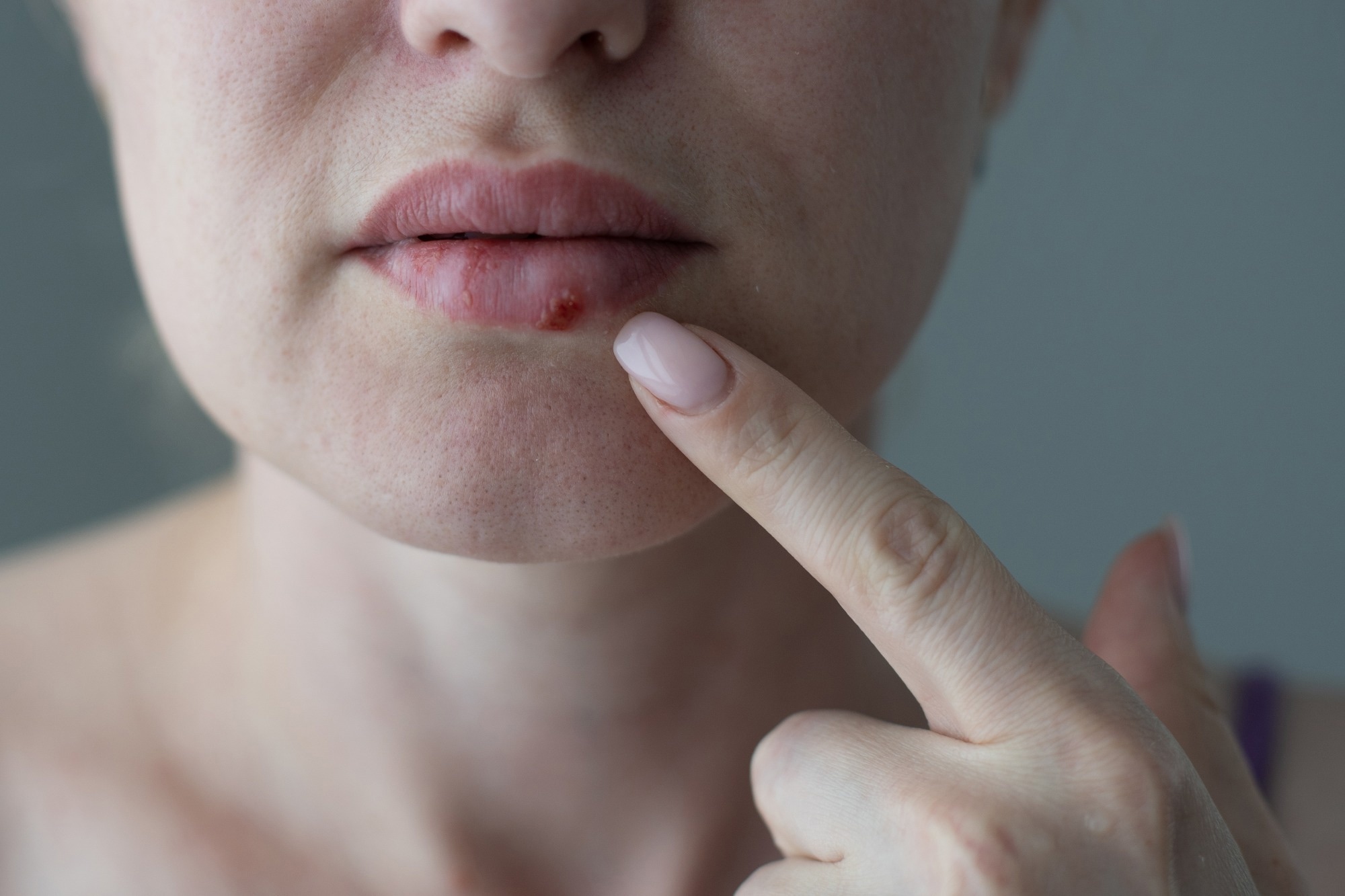 Research: Does herpesvirus contribute to dementia? Insights from infections, antiviral treatments, and vaccinations. Image credit: Andrew Angelov/Shutterstock.com
 *Important notice: SSRN has published a preliminary scientific report that has not been peer-reviewed and should not be considered definitive, guide clinical practice or health-related behavior, or be treated as established information.
Recent research posted in SSRN A preprint server (not yet peer-reviewed) conducted a meta-analysis and systematic review to assess the association between dementia risk, human herpesvirus infection, vaccination, and antiviral therapy.
Systematic review and meta-analysis
To identify relevant studies on human herpesvirus (HHV) with dementia as an outcome, researchers conducted an extensive search of English-language articles published in the Cochrane Central Register of Controlled Trials, PubMed, and Embase up to February 2026.
A pooled random effects model estimated the relative risk (RR) of dementia associated with HHV infection, specifically varicella-zoster virus (VZV), herpes simplex virus types 1 and 2 (HSV-1/2), and cytomegalovirus (CMV). RR also considered VZV vaccination and antiviral therapy.
To be included, papers had to present a case-control study, cohort study, or non-randomized controlled trial and had to include a clinically validated dementia diagnosis. Studies were also required to report RR, odds ratio (OR), hazard ratio (HR), or risk difference (RD). Non-human studies, studies with incomplete or missing original data, studies with no control group or small sample size were excluded. Unpublished literature was also excluded.
Although the initial search identified 3,134 articles, only 45 studies met the inclusion criteria for this systematic review, mainly concentrated in Europe, Asia, and North America.
Effects of VZV infection and antiviral treatment on the onset of dementia
Analysis of 18 studies showed a significant association between VZV infection and the development of dementia (RR=1.13). No gender differences were observed, but a significant association was observed in individuals aged 70 years and older (RR=2.76). Regarding dementia subtypes, Alzheimer’s disease (AD) showed a non-significant association, whereas vascular dementia showed a statistically significant, albeit modest and somewhat heterogeneous, association.
The risk of dementia was significantly higher for eye lesions (RR=2.09), and the risk was slightly increased for central nervous system lesions (excluding stroke) (RR=1.96). Ethnic subgroup analyzes showed an overall statistically significant overall effect, whereas individual regional subgroup analyzes (Asian and Western populations) were not significant. This suggests that the findings may reflect limited data rather than true differences in the population.
Regarding the impact of antiviral treatment on the risk of developing dementia, 13 studies showed that antiviral treatment was associated with a reduced risk of dementia (pooled RR = 0.79). Prescription medications primarily included famciclovir, valacyclovir, acyclovir, tromantadine, ganciclovir, and brivudine. Alzheimer’s disease showed a borderline non-significant increased risk, while vascular dementia remained non-significant.
Overall results suggest heterogeneity among dementia subtypes, with observed effects driven primarily by studies reporting unspecified dementia outcomes. Regarding specific antiviral drugs, acyclovir and valacyclovir significantly reduced dementia risk, while brivudine showed no clear benefit.
However, these findings are based on observational data and may be influenced by confounding factors such as treatment selection and health care-seeking behavior.
Herpes zoster vaccine (HZV) and the onset of dementia
The effect of HZ vaccination on dementia risk was evaluated in 12 studies. The shingles vaccine included Zostavax and Shingrix. A random effects model was estimated and the resulting pooled RR showed that HZV was significantly associated with a lower risk of dementia (RR=0.71).
Recombinant zoster vaccine (RZV) is also associated with reduced risk, and its narrow confidence interval indicates statistical precision. Similar to the results above, the subgroup classified as unspecified condition showed statistical significance.
Regarding dementia subtypes, the protective association persisted for vascular dementia, Alzheimer’s disease, and unspecified dementia. It was also observed that the hazard ratio decreased with increasing vaccine exposure. A notable finding was that both single vaccination (RR=0.68) and combined vaccination (RR=0.51) were associated with significant risk reduction, with the latter group showing the greatest effect.
Some of the strongest supporting evidence comes from quasi-experimental and natural experimental designs, which strengthen causal inferences compared to standard observational studies, but cannot conclusively establish causal relationships.
HSV and CMV infection and risk of dementia
Overall, 23 studies noted that HSV infection was associated with a significantly increased risk of dementia, and 7 studies showed an overall nonsignificant trend toward increased risk in the case of CMV infection. For HSV infection, IgM+ showed a stronger association than IgG+, but the results for IgG+ were not significant. The strongest association was observed for unspecified HSV infection and AD, rather than for well-defined HSV subtypes.
Notably, subtype-specific analyzes for HSV-1 and HSV-2 were not statistically significant. This is likely due to the limited sample size and heterogeneity. CMV infection was significantly associated with AD in subgroup analysis, although the overall association with dementia risk was not significant.
In HSV infection, a significant dose-response relationship was observed with antiviral treatment, with a significant reduction in dementia risk when treatment lasted for more than 1 month. In hospitalized patients receiving antiviral therapy, protective effects were consistent across all age groups.
Regarding CMV infection, a significant association was observed in the Asian population, but not in the American and European populations.
Relevance of underlying potential mechanisms
Studies have shown that HSV-1 promotes amyloidogenic processing by increasing the activity of BACE1 and γ-secretase. Furthermore, it also modifies APP transport, thereby promoting plaque formation and Aβ oligomerization. In parallel, several host and viral kinases are activated by infection and are associated with neurofibrillary tangle formation and hyperphosphorylation.
HSV-1 infection contributes to oxidative stress and blood-brain barrier dysfunction by releasing pro-inflammatory cytokines and activating microglia and astrocytes.
VZV reactivation can lead to the development of VZV vasculopathy and infection of cerebral arteries, which can lead to ischemic damage and chronic cerebral hypoperfusion. VZV infection of vascular cells can increase the expression of amylin/IAPP and Aβ42, which may contribute to vascular damage and cerebral amyloid angiopathy (CAA)-like deposits.
conclusion
This study showed that HHV infection is associated with a higher risk of dementia. Significant heterogeneity was observed among viruses and populations. Although this heterogeneity and limited sample size limited virus-specific analysis, it was noted that HSV-1 may contribute.
Importantly, varicella-zoster vaccination and antiviral therapy were associated with lower dementia risk. However, this finding is based on observational evidence and should not be interpreted as evidence of causation, highlighting the need for further longitudinal intervention studies.
Click here to download your PDF copy.
*Important notice: SSRN has published a preliminary scientific report that has not been peer-reviewed and should not be considered definitive, guide clinical practice or health-related behavior, or be treated as established information.
Reference magazines:
- Preliminary scientific report.
Zhang, W. et al. (2026) Do herpesviruses contribute to dementia? Insights from infections, antiviral treatments, and vaccinations. Available at SSRN: https://ssrn.com/abstract=6504676 %
