


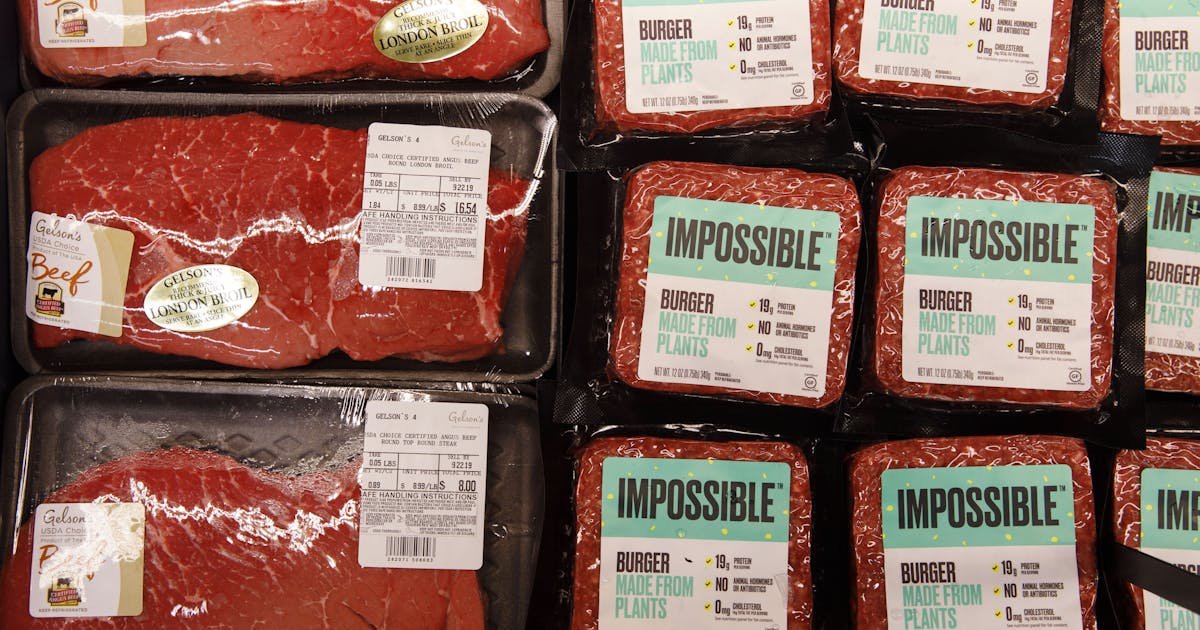
But the problem is that Nova isn’t designed to determine the nutritional properties of individual foods. Designed to understand population-level health outcomes. Although a growing number of studies are linking the consumption of ultra-processed foods to increased morbidity and labeling them a “threat to public health,” a closer look at the data tends to suggest that, in most cases, the only statistically significant health damage comes from ultra-processed foods, which contain things we already know are bad for us, such as excess salt, sugar, and fat. But the breadth of the fourth Nova category means it encompasses completely different foods, including alcohol, sweet breakfast cereals, crisps, baby milk, ready-to-eat meals, and plant-based meat substitutes. They are all made using completely different processes and materials, and have very different nutritional properties. This means that fortified soy milk and fortified bread are considered as unhealthy as a bag of crisps or a bottle of vodka.
Indeed, many ultra-processed foods are designed to be “super tasty,” easy, or even addictive, which can lead to overeating. However, this is mostly a problem because it means that the person eating it may be consuming too many calories, as well as too much salt, sugar, and fat. There is little convincing evidence that any particular form of processing is inherently unhealthy. In fact, one recent study suggests that eating more ultra-processed vegetables has a net health benefit simply because you increase your vegetable intake.
On the other hand, there is also little evidence that simply eliminating items considered ultra-processed provides health benefits. A recent study conducted in Brazil showed that significantly reducing the proportion of UPF in children’s diets over a nine-month period did not lead to weight loss or appreciable improvements in health. Indeed, critics of this study may point out that some of the supposed risks associated with ultra-processed foods occur over long periods of time. But this still doesn’t bode well for anti-UPF health theories. Especially since many diets make meaningful changes in a few months.
