


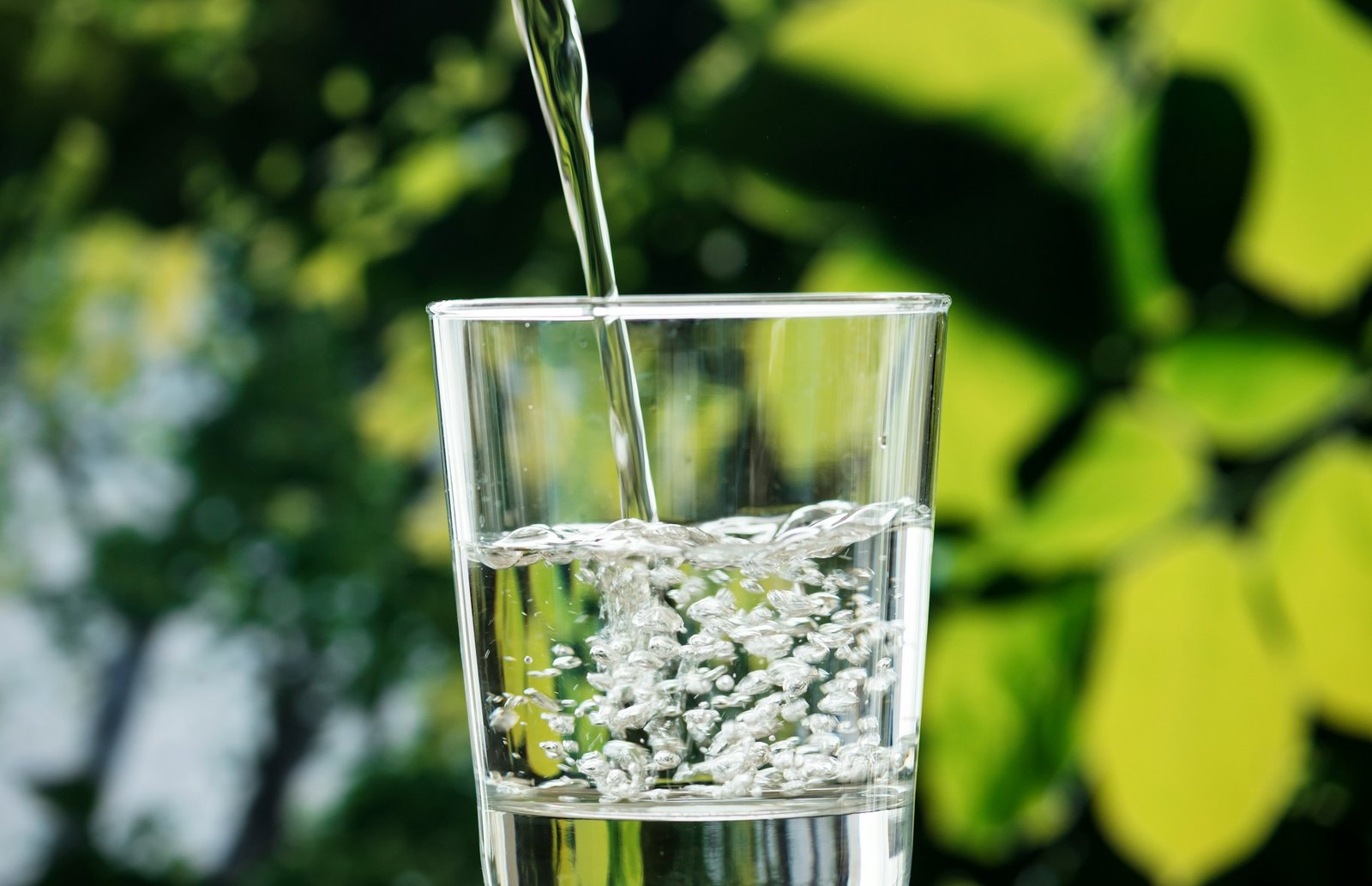
Federal regulators are moving to add microplastics to the list of drinking water contaminants marked for research, funding and future regulation.
The U.S. Environmental Protection Agency (EPA) and the U.S. Department of Health and Human Services (HHS) on April 2 announced a series of coordinated actions to protect public health from harms associated with microplastics, which have been found to accumulate in human tissues as they accumulate in the environment.
“This is a direct response to the concerns of millions of Americans who have long sought answers about what they and their families are drinking every day,” EPA Administrator Lee Zeldin said at a press conference. “For too long, Americans have been sounding the alarm about plastic in drinking water and being ignored. That ends today.”
EPA’s updated draft list of potential contaminants under the Safe Drinking Water Act has been open for public comment for 60 days, and EPA plans to finalize the list on November 17th.
In a joint announcement, HHS announced a $144 million program to measure microplastic levels in humans, identify the most harmful plastic pollutants, and develop ways to remove them from the body.
“Today, we reach a tipping point in confronting microplastics as a threat to human health,” HHS Secretary Robert F. Kennedy Jr. said at the event. “And we are working on it with urgency and discipline.”
Kennedy said plastics are “incorporated into modern life and into the human body.” “Researchers detected microplastics in human blood, lung tissue, liver, kidneys and placenta. The study found microplastics in more than 80% of people tested.”
Some human and environmental health advocates applaud efforts to bring microplastics under increased federal oversight.
Judith Enck, president of the nonprofit organization Beyond Plastics and a former EPA regional administrator, said in a statement that the move is an “important first step” toward regulating harmful contaminants in drinking water. Enck said government agencies should “not only regulate microplastics in drinking water, but also act quickly to prevent microplastics from entering our water supplies.”
Some argue that adding microplastics to the list, which is unregulated, falls short of the urgent action needed to protect the public.
“While we appreciate investment in further research into how microplastics affect our bodies and health, we already know enough to act,” Jen Ferra, managing director of the Plastic Pollution Coalition, said in a statement. “We need strong regulatory solutions and innovation to reduce and eliminate these plastics now.”
“We need strong regulatory solutions and innovation to reduce and eliminate these plastics now.” — Jen Ferra, Plastic Pollution Coalition
Microplastics are pieces of plastic less than 5 millimeters long that form when larger chunks of plastic break apart. Humans ingest these plastic pieces and even smaller plastic pieces, nanoplastics, in food and drinking water, or inhale them from the air and household dust. Research shows that up to 83% of tap water around the world is contaminated with microplastics, and levels in bottled water could be even higher.
Plastic particles have been found in many human organs, including the brain, testicles, lungs, and kidneys, as well as human blood, bone marrow, and breast milk, and a growing body of research is linking plastic particles to inflammation, tissue damage, and a variety of other health problems.
New research published last week e-clinical medicineA magazine published by. lancettwo types of phthalates, chemicals commonly used in the manufacture of plastics, were found to be responsible for nearly 2 million premature births and tens of thousands of infant deaths worldwide in 2018.
Previous research has linked one of the same phthalate esters, di(2-ethylhexyl) phthalate (DEHP). e-clinical medicine Research shows that more than 356,000 people die from heart disease each year worldwide.
A report released last August said plastics were a “significant” hazard to humans and the planet, estimating that exposure to plastics leads to health-related costs of $1.5 trillion annually. Another report published in December concluded that global plastic pollution will more than double by 2040 unless policies change.
In addition to microplastics, EPA is also proposing to add pharmaceuticals to the list of potential contaminants, along with per- and polyfluoroalkyl substances (PFAS), disinfection byproducts, and 75 other chemicals and nine microorganisms considered emerging threats to public drinking water.
The move comes as the EPA works to rescind drinking water regulations for four PFAS chemicals and delay implementation of regulations for two others.
Featured image: Curated Lifestyle/Unsplash+
-

Shannon Kelleher is a staff reporter at The New Lede. Shannon earned her master’s degree in science journalism from Boston University in 2015, and her research has appeared in The Guardian, Environmental Health News, Mongabay, The Atlantic, and more. She has been a guest on the radio show Living on Earth and is a member of the Environmental Journalists Association and the DC Science Writers Association. Prior to joining TNL in 2022, Shannon wrote news articles and press releases for the American Association for the Advancement of Science. She lives in Washington, DC.
