


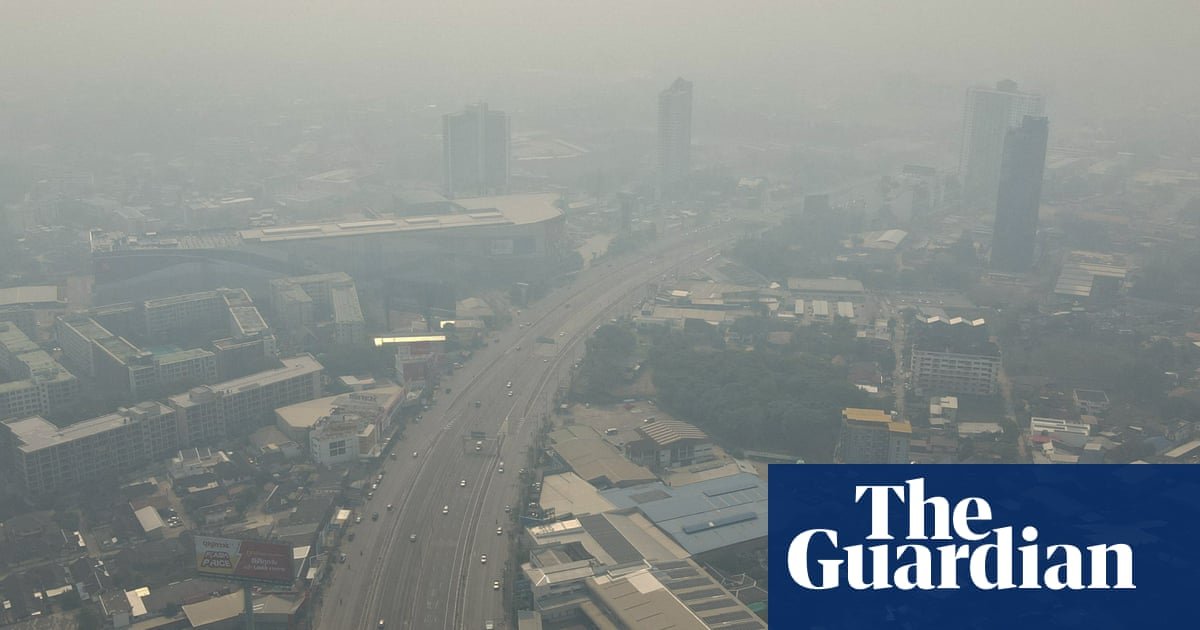
Reducing vulnerability to air pollution since 1990 saved around 1.7 million lives in 2019, according to a new study.
Particle pollution has improved in 139 out of 193 countries. The largest increases were seen in Europe and North America, while declines were smaller across Africa and Asia.
Breathable particle pollution outdoors caused an estimated 3.8 million premature deaths in 1990. By 2019, this number had increased to 5.1 million. If the population grows and particle pollution remains at current levels, the global death toll from air pollution is projected to exceed 10 million per year by 2050.
Dr Chris Murray from the University of York, lead author of the new study, said: “Air pollution is the second biggest risk factor for premature death globally. Traditionally our response has focused on reducing the levels of pollution that people breathe, but this is only part of the story.”
Broader health improvements can help people reduce their vulnerability to air pollution. “The scale of this impact is enormous. Without reducing vulnerability, an additional 1.7 million people would have died from air pollution in 2019,” said Murray.
Murray’s research highlights that global poverty rates have fallen sharply from 45% in 1990 to 21% in 2019, with around 15% of the world’s population gaining access to essential health services between 2000 and 2021. These changes acted as a major shield against the health burden of smog.
“I used to think that equivalent reductions in pollution would have similar health benefits everywhere, but the impact of cleaner air is much greater when achieved in parallel with vulnerability reduction,” Murray said.
Although Europe and North America achieved similar reductions in air pollution between 1990 and 2019, the rate of decline in mortality from air pollution in Europe was almost twice that in North America. This is because Europe has been more effective in reducing vulnerability through medical and social factors.
The UK still has an opportunity to reduce its air pollution vulnerability. Another study of more than 300,000 people in the UK found that lung problems caused by air pollution were particularly prevalent in low-income groups. When exposed to the same air pollution, low-income people had about twice the decline in lung function and a three-fold increased risk of chronic obstructive pulmonary disease compared to high-income people.
Professor Anna Hansell from the University of Leicester, who led the study, said: “For people living in poorer areas, the problem is not just higher exposure to air pollution, but also greater vulnerability to the effects of air pollution due to poorer health and reduced access to the tools to maintain health, such as a good diet, physical activity and access to good health services.”
“The average age of the population is increasing in many countries, and older people remain one of the most vulnerable groups to air pollution. The greatest health benefits from every unit of pollution reduced will only be realized if the vulnerability of the population is reduced at the same time.”
“Efforts include expanding access to quality health care, promoting physical activity and healthy diets, and improving postnatal care for children in highly contaminated areas.”
