


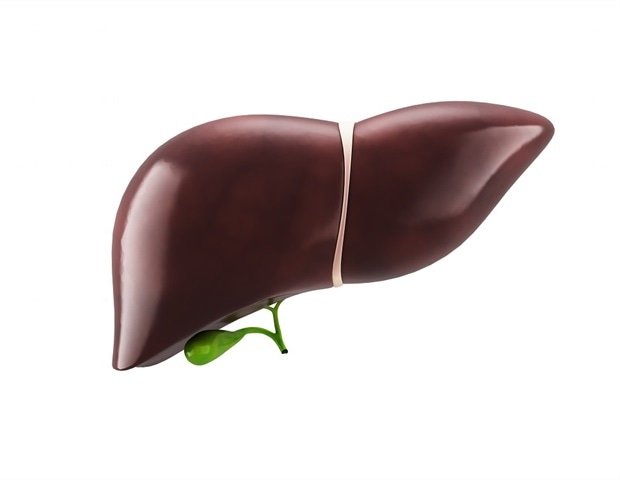
People may think that if they’ve been drinking a little during the week or month, the occasional heavy drink on a Friday or Saturday won’t harm their liver.
New research suggests not, according to a study from USC’s Keck Medicine published today. Clinical gastroenterology and hepatology.
Researchers have found that people with metabolic dysfunction-associated fatty liver disease (MASLD), the nation’s most common liver disease that affects one in three adults, face a significantly higher risk of liver fibrosis, or harmful scarring of the liver, if they engage in episodic heavy drinking. Episodic heavy drinking is defined as drinking four or more drinks per day for women, five or more drinks per day for men, or at least once a month.
The study found that people who consumed large amounts of alcohol per day at least once a month were three times more likely to develop progressive liver fibrosis than those who consistently consumed the same total alcohol intake over a long period of time.
Young adults and men were more likely to report heavy episodic drinking, and the more alcohol they consumed at one time, the more likely they were to develop liver fibrosis.
This study is a big wake-up call, as doctors traditionally have tended to focus on total alcohol consumption rather than total alcohol consumption. how It is taken when determining the risk to the liver. Our research suggests that the public needs to be more aware of the dangers of occasional heavy drinking and should avoid it, even if drinking in moderation the rest of the time. ”
Brian P. Lee, MD, MAS, hepatologist and liver transplant specialist at Keck Medicine and principal investigator of this study
How to conduct research
Lee and colleagues used data from the National Health and Nutrition Exam Survey, a long-term, nationally representative health survey of the U.S. population. The study included data from more than 8,000 adults collected between 2017 and 2023. Specifically, we looked at the association between episodic heavy drinking and progressive liver fibrosis to understand how drinking patterns, not just total alcohol consumption, can harm even moderate drinkers, who are considered to be drinking less than seven drinks a week for women and 14 drinks a week for men.
The research team focused on MASLD because of its prevalence among Americans. MASLD is on the rise, affecting people with excess weight, obesity, or other metabolic diseases such as type 2 diabetes, high blood pressure, and high cholesterol. Additionally, although MASLD is not defined as alcohol-related, Lee and his colleagues wanted to investigate whether alcohol actually plays a role in the condition.
More than half of the adults in the study reported episodic heavy drinking, and nearly 16% of patients with MASLD were episodic heavy drinkers.
The researchers compared MASLD patients with the same age, gender, and average weekly alcohol intake, classifying some as episodic heavy drinkers and others as non-occasional heavy drinkers, and concluded that episodic heavy drinkers with MASLD were almost three times more likely to experience progressive liver fibrosis.
Lee speculates that occasional heavy drinking can have direct and indirect negative effects on the liver. Drinking large amounts of alcohol at once can put stress on your liver, increasing inflammation and leading to scarring and damage. MASLD patients may be particularly at risk, as Lee’s previous research has shown that obesity, high blood pressure, and other MASLD-related conditions can more than double the risk of liver disease.
Alcohol-related liver disease has more than doubled in the past 20 years, Lee said. He believes this trend is being driven by a surge in alcohol consumption during the pandemic and an increase in the number of people with risk factors for MASLD, such as obesity and diabetes.
“Although this study focused on patients with MASLD, these findings may also be relevant to a broader patient population,” Lee said. “With more than half of adults reporting episodic heavy drinking, this issue deserves further attention from both physicians and researchers to advance the understanding, prevention, and treatment of liver disease.”
