


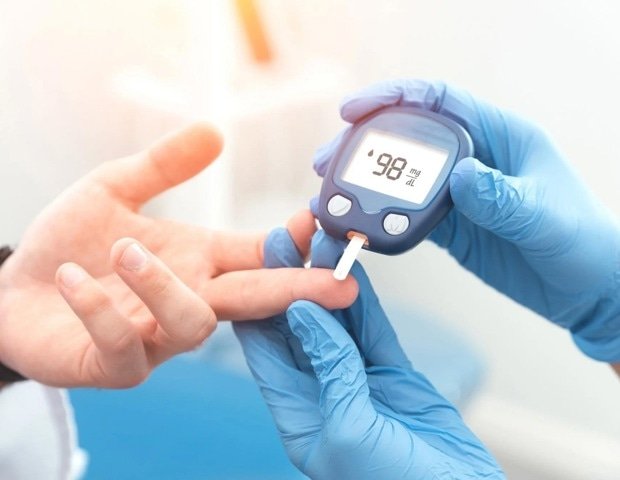
A large observational study published in an open access journal suggests that getting seven hours and 18 minutes of sleep each night may be optimal for avoiding the risk of insulin resistance, a precursor to type 2 diabetes. BMJ Open Diabetes Research and Care.
However, research shows that for people who sleep above optimal thresholds each night, weekend catch-up sleep increases the risk of impaired glucose metabolism.
Researchers note that previously published studies have shown that sleep duration is strongly associated with the risk of insulin resistance, diabetes, and related metabolic disorders. But it’s not entirely clear what role, if any, sleep plays in catching up on the weekend.
Estimated glucose disposal rate (eGDR) is considered a reliable surrogate for insulin resistance, they explain. The lower the eGDR (e.g., less than 6-7 mg/kg/min), the higher the risk of insulin resistance. The higher the eGDR (e.g., greater than 10 mg/kg/min), the lower the risk.
Therefore, the researchers wanted to investigate the relationship between sleep duration on weekdays and eGDR, as well as the moderating effect of catch-up sleep on weekends, with the aim of providing information to clinical practice for diabetic patients.
They included 23,475 participants aged 20 to 80 years from consecutive waves of the National Health and Nutrition Examination Survey (NHANES) from 2009 to 2023 in their analysis. Of these, 10,817 had available data on weekend sleep hours.
Weekend catch-up sleep was classified as none. Maximum of 1 hour. 1 to 2. eGDR was calculated using a formula that included waist circumference, fasting blood glucose, and blood pressure.
Participants had an average eGDR of 8.23 and averaged 7 hours and 30 minutes of sleep per weekday. Just over 48% of them reported catching up on their sleep over the weekend. Those with weekend sleep data slept an average of 8 hours over the weekend.
Analysis of the data revealed an inverted U-shaped curve between sleep duration and eGDR, with a sweet spot of 7 hours and 18 minutes.
Below this threshold, the more hours you sleep at night, the higher your eGDR. Beyond that, eGDR decreased with longer nightly sleep duration, especially among women and women aged 40–59 years.
Further statistical analysis showed that people who slept less than the optimal threshold on weekdays had higher eGDR when they supplemented their sleep time by 1 to 2 hours on weekends compared to those who did nothing.
However, for people sleeping above their optimal sleep threshold during the week, after accounting for potentially influencing factors such as lifestyle, ethnicity, marital status, and education, they found that eGDR decreased with more than two hours of catch-up sleep on the weekend.
“Importantly, there appears to be a bidirectional relationship between sleep and metabolism; for example, poor glycemic status itself is associated with shorter and longer sleep duration, as well as a higher likelihood of sleep disturbances,” the researchers explain.
“This creates a potentially vicious cycle, where metabolic dysregulation disrupts normal sleep patterns, and the resulting abnormal sleep (including prolonged periods) further deteriorates metabolic health.”
Because this is an observational study, no clear conclusions can be drawn about causality. And the researchers acknowledged that the study relied on self-reported data on sleep duration and could not rule out a reverse causal relationship, in which disruptions in glucose metabolism disrupted sleep rather than the other way around.
However, they conclude that “the findings of these correlations suggest that sleep patterns, particularly weekend restorative sleep, may be associated with metabolic regulation of diabetes and may inform considerations for health care professionals when managing patient care.”
sauce:
Reference magazines:
Fan, Z. Others. (2026) Association between weekday sleep duration and estimated glucose disposal rate: the role of weekend catch-up sleep. BMJ Open Diabetes Research and Care. DOI: 10.1136/bmjdrc-2025-005692. https://drc.bmj.com/content/14/2/e005692
