


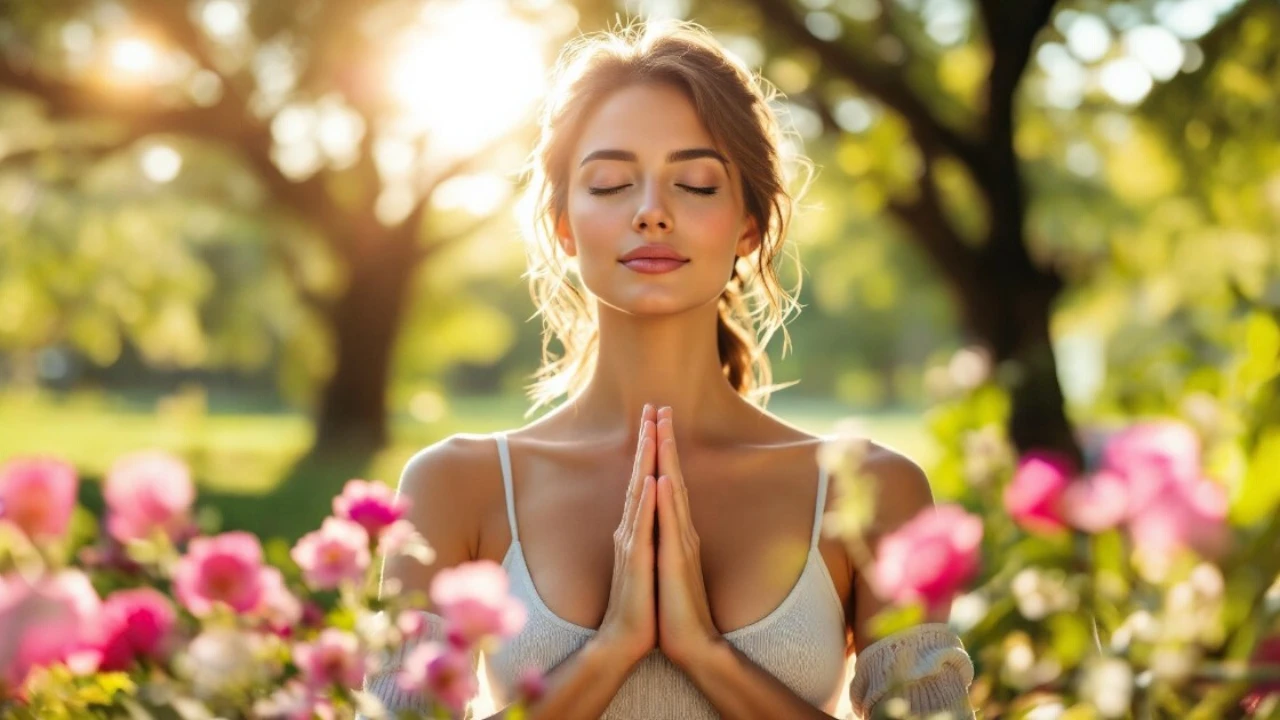
Practicing gratitude is more than saying “thank you”—it’s a powerful habit that can transform your mental, emotional, and physical health. When embraced daily, gratitude becomes a cornerstone of a holistic wellness lifestyle, fostering inner peace, balance, and joy.
The Connection Between Gratitude and Holistic Wellness
Holistic wellness is about nurturing the mind, body, and spirit together, rather than treating them as separate parts. Gratitude fits perfectly into this approach because it doesn’t just affect your thoughts—it influences your emotional resilience, physical health, and relationships.
When you shift your mindset to appreciate what you have, you naturally reduce stress, boost immunity, and strengthen your social connections. This ripple effect enhances overall wellness far more than quick fixes or temporary mood boosters.
How Gratitude Improves Mental Health
One of the most immediate benefits of practicing gratitude is improved mental well-being.
- Reduces negative thinking: Focusing on positives rewires your brain to notice blessings instead of problems.
- Increases optimism: Regular gratitude practices raise serotonin and dopamine levels, which are linked to happiness.
- Builds resilience: Gratitude acts as an emotional anchor during tough times, helping you navigate challenges with perspective.
Research from the Greater Good Science Center at UC Berkeley shows that gratitude journaling can significantly decrease symptoms of depression and anxiety.
The Physical Benefits of Practicing Gratitude
Gratitude doesn’t just lift your mood—it impacts your body, too. Studies have linked gratitude to:
- Lower blood pressure
- Improved immune function
- Better sleep quality
- Reduced chronic pain symptoms
When you regularly feel thankful, your body shifts away from chronic stress mode, allowing your parasympathetic nervous system to promote healing and restoration.
Gratitude’s Role in Emotional and Spiritual Growth
Holistic wellness also embraces emotional and spiritual well-being. Gratitude helps you:
- Develop compassion for others
- Foster a sense of connection and purpose
- Deepen spiritual practices such as prayer or meditation
Whether you follow a faith tradition or simply believe in universal energy, gratitude strengthens the awareness that you are part of something bigger than yourself.
Simple Daily Gratitude Practices for Holistic Wellness
Gratitude Journaling
Spend 5 minutes each morning writing down three things you’re grateful for. Over time, you’ll naturally look for more positive moments in your day.
Mindful Appreciation
While eating, walking, or even breathing, focus your attention on the experience and silently express thanks for it.
Gratitude Meditation
Visualize the people, opportunities, and moments you value most, allowing the feeling of appreciation to grow within you.
Acts of Kindness
Express gratitude through action—thank someone with a note, compliment a coworker, or help a neighbor.
How Gratitude Strengthens Relationships
Acknowledging others’ efforts and expressing thanks can:
- Build trust and intimacy in personal relationships
- Improve communication and reduce conflict
- Create a cycle of appreciation where positivity flows both ways
Holistic wellness thrives when relationships are healthy and supportive.
Overcoming Barriers to Practicing Gratitude
It’s normal to have days when gratitude feels hard. Common obstacles include:
- Stress and overwhelm
- Comparison to others
- Negative self-talk
To overcome these barriers, start small. Even on difficult days, find one small thing—a warm cup of tea, a supportive friend, or a beautiful sunset—and acknowledge it.
Integrating Gratitude into a Holistic Lifestyle
Gratitude works best when woven into daily routines alongside other wellness practices such as:
- Balanced nutrition
- Regular physical activity
- Mindfulness or meditation
- Adequate rest
Together, these habits create a sustainable lifestyle that supports your well-being in every dimension.
Why Gratitude Is the Missing Piece for Many Wellness Plans
Many people focus on exercise, diet, and stress management but overlook the role of mindset. Without gratitude, wellness practices can feel like chores. With gratitude, they become opportunities—meals become moments to nourish, workouts become celebrations of strength, and meditation becomes a gift to yourself.
Final Thoughts
Practicing gratitude isn’t just a feel-good trend—it’s a transformative habit that aligns perfectly with holistic wellness. By appreciating what you already have, you open the door to better mental health, stronger relationships, and a more balanced, fulfilling life. Start today with one grateful thought, and watch how your world changes.
FAQs
How can I start practicing gratitude if I’m feeling stressed or negative?
Begin with something small and tangible, like being thankful for a comfortable bed or a kind message.
Is gratitude the same as ignoring problems?
No, gratitude helps you face challenges with a balanced perspective instead of being overwhelmed by them.
How quickly can gratitude impact wellness?
Some people feel a shift in days, but lasting change comes from consistent practice over weeks or months.
Can gratitude help with sleep?
Yes, focusing on positive thoughts before bed can calm the mind and improve sleep quality.
Do I need to write my gratitude down?
Writing helps solidify the habit, but spoken or mental gratitude also works effectively.
Internal Link Suggestions:
- Link to “Mindfulness Techniques for a Balanced Life”
- Link to “Holistic Nutrition Tips for Energy and Vitality”
External Sources for Credibility:
