


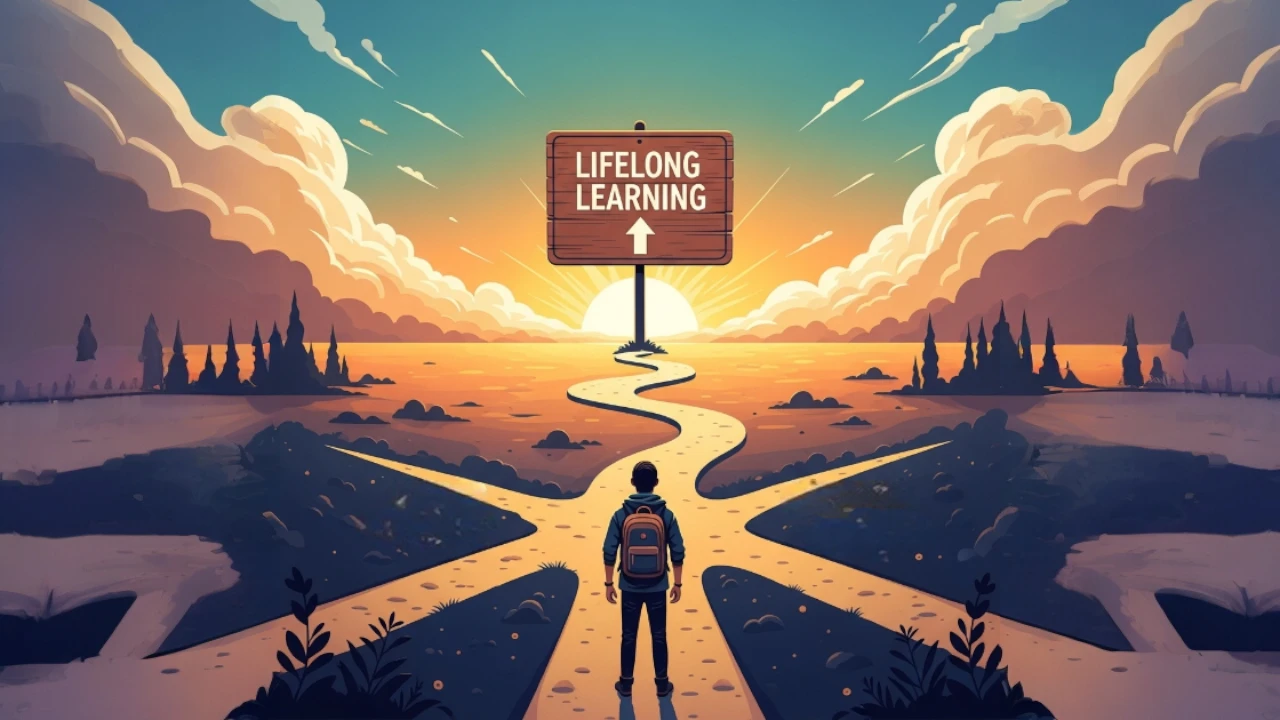
The world is evolving faster than ever. Technologies shift, industries transform, and skills that once defined careers quickly become outdated. In this ever-changing environment, lifelong learning isn’t just a choice—it’s a necessity.
Lifelong learning is the ongoing, voluntary pursuit of knowledge for personal or professional growth. It’s the key that unlocks adaptability, creativity, and resilience—qualities every modern professional needs to stay relevant and fulfilled.
Whether you’re climbing the corporate ladder, launching a business, or seeking personal growth, continuous learning is the foundation of lasting success.
Understanding Lifelong Learning
At its core, lifelong learning goes beyond formal education. It’s about developing a mindset of curiosity—an eagerness to explore, question, and improve.
Lifelong learning includes:
- Professional development: Learning new job-related skills or earning certifications.
- Personal enrichment: Gaining knowledge that improves emotional intelligence, communication, or relationships.
- Digital learning: Using online courses, podcasts, or eBooks to expand your skill set.
This approach turns learning into a daily habit rather than a phase of life.
The Connection Between Lifelong Learning and Career Growth
Continuous learning has a direct impact on career success. The most successful professionals are those who never stop upgrading their skills.
Here’s how lifelong learning accelerates career growth:
- Enhances employability: Employers value people who adapt quickly to change.
- Boosts innovation: Learning exposes you to new ideas that spark creativity and problem-solving.
- Increases confidence: Mastering new abilities makes you feel competent and empowered.
- Supports career transitions: Learning enables smooth shifts between industries or job roles.
According to a LinkedIn Learning Report, 94% of employees would stay longer at a company that invests in their learning and development. Clearly, learning is the engine that drives both retention and success.
How Lifelong Learning Fuels Personal Growth
Lifelong learning isn’t limited to career advantages—it also nurtures personal development.
When you continuously learn, you:
- Strengthen emotional intelligence, helping you understand and manage emotions better.
- Improve communication and empathy, deepening your relationships.
- Enhance mental flexibility, allowing you to handle challenges with grace.
- Build resilience, the ability to recover quickly from setbacks.
Simply put, learning transforms not just what you do—but who you become.
Developing a Lifelong Learning Mindset
To embrace lifelong learning, you must shift from a fixed mindset (“I know enough”) to a growth mindset (“I can always improve”).
Here are habits that build this mindset:
- Stay curious: Ask questions, seek feedback, and challenge assumptions.
- Read daily: Books, blogs, and journals keep your mind sharp and informed.
- Embrace discomfort: Growth happens outside your comfort zone.
- Reflect regularly: Evaluate what you’ve learned and how to apply it.
As American psychologist Carol Dweck says, “In a growth mindset, challenges become opportunities.”
The Digital Revolution in Learning
The rise of digital technology has made learning more accessible than ever. You no longer need a classroom—you just need a connection.
Modern learning tools include:
- Online courses on platforms like Coursera, Udemy, and LinkedIn Learning.
- Podcasts and YouTube channels offering expert insights.
- Webinars and virtual conferences connecting learners globally.
- Mobile learning apps that let you study anytime, anywhere.
Digital learning democratizes knowledge, allowing people from all backgrounds to develop new skills and achieve success.
Lifelong Learning and Leadership Development
Great leaders never stop learning. From Warren Buffett reading five hours a day to Elon Musk teaching himself rocket science, leaders understand that learning is leverage.
Here’s why continuous learning is essential for leadership:
- It cultivates strategic thinking and innovation.
- It enhances decision-making through exposure to diverse perspectives.
- It builds influence and trust, as leaders who learn inspire others to do the same.
- It ensures long-term adaptability in uncertain times.
If you aspire to lead, make learning part of your leadership DNA.
Integrating Lifelong Learning Into Your Routine
You don’t need to overhaul your schedule to become a lifelong learner. Start small and stay consistent.
Try these simple strategies:
- Set learning goals: Define what skill or topic you want to master each quarter.
- Dedicate time daily: Even 20 minutes of reading or listening compounds over time.
- Learn from experience: Reflect on mistakes and extract lessons from them.
- Join learning communities: Surround yourself with people who challenge and inspire you.
Consistency is the secret weapon. Like fitness, learning rewards those who show up every day.
The Role of Employers in Promoting Lifelong Learning
Forward-thinking organizations know that their success depends on how fast their teams learn.
Companies can foster lifelong learning by:
- Offering continuous training programs and tuition reimbursement.
- Encouraging cross-departmental collaboration to expand skills.
- Providing mentorship opportunities and career coaching.
- Recognizing employees who pursue self-improvement.
A learning culture not only boosts productivity but also strengthens employee loyalty and innovation.
Overcoming Barriers to Lifelong Learning
Despite its benefits, many people struggle to maintain consistent learning habits. The most common barriers include time constraints, fear of failure, or lack of motivation.
To overcome these challenges:
- Break goals into smaller, achievable steps.
- Choose topics that genuinely excite you.
- Reward yourself for progress.
- Reframe mistakes as valuable feedback.
Remember, progress—not perfection—is the goal of lifelong learning.
The Future of Lifelong Learning
As automation, AI, and digital transformation reshape industries, the demand for new skills will surge. The World Economic Forum predicts that half of all employees will need reskilling by 2027.
The future of lifelong learning will emphasize:
- Microlearning: Bite-sized lessons for fast, focused learning.
- Personalized learning paths: Adaptive platforms that tailor content to your goals.
- Collaborative learning: Peer-driven environments where people learn from one another.
- Skill-based certifications: Focused credentials valued by employers.
In short, the future belongs to those who learn, unlearn, and relearn continuously.
Conclusion: Commit to Learning, Commit to Growth
Lifelong learning is not just a professional strategy—it’s a life philosophy. It empowers you to grow beyond limitations, adapt to change, and unlock your fullest potential.
When you make learning a lifelong habit, success follows naturally—both in your career and in your personal life.
So take that online course, read that new book, attend that seminar—because every lesson you learn today becomes the foundation of your success tomorrow.
Your future self will thank you for never stopping learning.
FAQs About Lifelong Learning
What is the true meaning of lifelong learning?
Lifelong learning means continuously acquiring knowledge and skills throughout life for personal or professional development.
How does lifelong learning help in career success?
It improves adaptability, innovation, and job performance—key traits employers value in a fast-changing world.
Can lifelong learning happen outside formal education?
Absolutely. Reading, online courses, workshops, and real-world experiences all contribute to lifelong learning.
How can I start developing a learning habit?
Start small—read daily, set learning goals, and use technology like podcasts or micro-courses to stay consistent.
Why is lifelong learning important for personal growth?
It enhances self-awareness, builds confidence, and improves your ability to handle life’s challenges with resilience and creativity.
Internal and External References
- LinkedIn Learning Report: Workplace Learning Trends
- World Economic Forum – The Future of Jobs Report
- Harvard Business Review – Why Learning Is the New Competitive Advantage
