


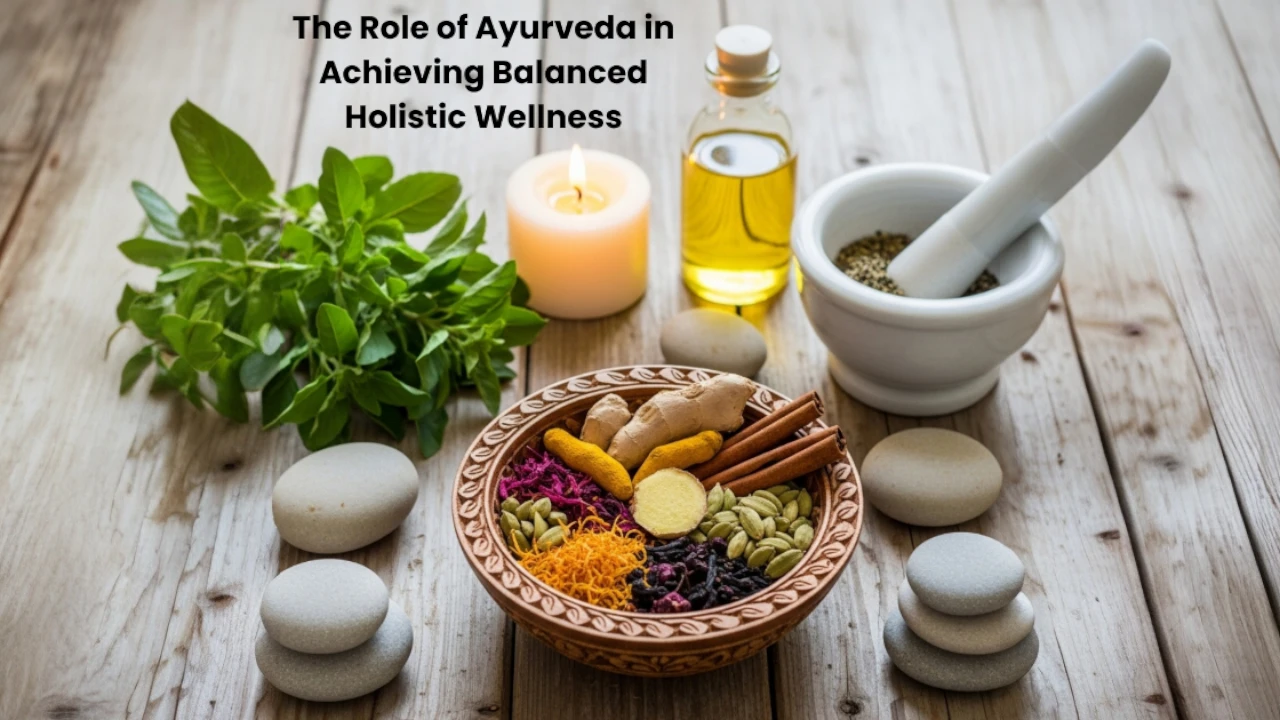
Ayurveda, which translates to “the science of life,” is a 5,000-year-old holistic healing system that originated in India. Unlike conventional medicine, which focuses on treating symptoms, Ayurveda emphasizes prevention, balance, and personalized care. Its primary goal is to help individuals live in alignment with their unique nature, or Prakriti.
According to Ayurvedic philosophy, true wellness is achieved when the body, mind, and spirit function in harmony. This balance leads to vitality, mental clarity, and emotional stability.
The Three Doshas: The Foundation of Ayurvedic Balance
At the heart of Ayurveda lie the three Doshas — Vata, Pitta, and Kapha. These biological energies govern every physical and mental process in the body. Each person has a unique combination of these doshas, determining their body type, temperament, and overall constitution.
Vata Dosha – The Energy of Movement
- Governs: Circulation, breathing, and the nervous system.
- Qualities: Light, dry, cool, and fast.
- When Balanced: Creativity, alertness, flexibility.
- When Imbalanced: Anxiety, fatigue, insomnia, digestive issues.
Pitta Dosha – The Energy of Transformation
- Governs: Digestion, metabolism, and energy production.
- Qualities: Hot, sharp, and intense.
- When Balanced: Strong focus, good appetite, leadership qualities.
- When Imbalanced: Irritability, inflammation, heartburn, anger.
Kapha Dosha – The Energy of Stability
- Governs: Structure, lubrication, and immunity.
- Qualities: Heavy, calm, steady, and moist.
- When Balanced: Compassion, endurance, and calmness.
- When Imbalanced: Lethargy, weight gain, emotional attachment.
By understanding your dominant dosha, Ayurveda helps you tailor your diet, lifestyle, and mindset for optimal health.
Ayurveda’s Approach to Holistic Wellness
Unlike one-size-fits-all approaches, Ayurveda treats every individual as unique. It promotes balance in every aspect of life — physical, mental, emotional, and spiritual.
1. Physical Balance
Ayurveda encourages eating fresh, seasonal, and dosha-appropriate foods, combined with regular movement, detoxification, and restful sleep.
2. Mental and Emotional Balance
Meditation, pranayama (breathwork), and mindfulness practices help reduce stress and calm the mind.
3. Spiritual Balance
Ayurveda emphasizes connecting with your inner self through self-reflection, gratitude, and compassion, fostering peace and spiritual awareness.
Ayurvedic Nutrition: Eating for Balance and Vitality
In Ayurveda, food is medicine. What, when, and how you eat has a direct impact on your energy and health.
Key Ayurvedic Dietary Principles:
- Eat according to your Dosha:
- Vata: Warm, moist, grounding foods (soups, stews).
- Pitta: Cooling foods (cucumbers, coconut, leafy greens).
- Kapha: Light, spicy, and dry foods (ginger, beans, vegetables).
- Favor fresh, whole, and seasonal foods.
- Avoid overeating and processed items.
- Eat mindfully and avoid distractions.
Ayurveda also recommends the concept of Agni — the digestive fire. A strong Agni ensures proper digestion, absorption, and vitality, while a weak one leads to toxins (Ama), fatigue, and disease.
The Role of Ayurvedic Herbs in Wellness
Ayurvedic herbs play a central role in restoring balance and supporting long-term health. Here are some of the most powerful Ayurvedic herbs for holistic wellness:
Ashwagandha – The Stress Reliever
- Reduces cortisol and anxiety.
- Improves stamina, focus, and sleep.
- Balances Vata and Kapha doshas.
Turmeric – The Golden Healer
- Natural anti-inflammatory and antioxidant.
- Supports liver detoxification and joint health.
- Balances all three doshas.
Triphala – The Detoxifier
- A blend of three fruits that promotes digestion and detox.
- Improves bowel health and nutrient absorption.
Brahmi – The Mind Tonic
- Enhances memory, mental clarity, and concentration.
- Reduces stress and promotes emotional balance.
Tulsi (Holy Basil) – The Immunity Booster
- Strengthens the immune system and combats infections.
- Calms the mind and reduces oxidative stress.
External Source: National Center for Complementary and Integrative Health – Ayurvedic Medicine Overview
Ayurveda and Daily Routines: The Power of Dinacharya
Ayurveda emphasizes the importance of Dinacharya, or daily routines, to align your body’s rhythms with nature’s cycles.
A Balanced Ayurvedic Routine:
- Wake up early (before sunrise).
- Hydrate with warm water.
- Practice oil pulling and tongue scraping for oral detox.
- Meditate or do gentle yoga.
- Eat meals at consistent times.
- Sleep before 10 PM for optimal restoration.
These simple rituals help balance hormones, improve digestion, and support emotional stability throughout the day.
Yoga and Ayurveda: The Perfect Partnership
Ayurveda and yoga are sister sciences — both aim to unite body, mind, and spirit.
- Yoga enhances physical flexibility and mental focus.
- Ayurveda provides dietary and lifestyle guidance for maintaining that balance.
Together, they form a complete wellness system that supports both inner peace and outer vitality.
Practice Tip: Choose yoga postures and breathing exercises suited to your dosha:
- Vata: Slow, grounding poses like forward bends.
- Pitta: Cooling postures like twists and seated stretches.
- Kapha: Energizing, dynamic flows like Sun Salutations.
Ayurveda’s Role in Mental Health and Emotional Balance
Modern life often leads to stress, anxiety, and burnout. Ayurveda offers natural strategies to restore emotional harmony:
- Adaptogenic herbs like ashwagandha and brahmi calm the nervous system.
- Abhyanga (oil massage) reduces stress and promotes relaxation.
- Meditation and pranayama restore inner calm and mental clarity.
- Proper sleep and mindful eating reduce emotional instability.
By nurturing both body and mind, Ayurveda helps create a foundation for lasting happiness and resilience.
Ayurveda and Modern Science: Bridging Ancient Wisdom with Research
In recent years, modern science has begun to validate many Ayurvedic practices. Studies show that Ayurvedic herbs and routines can:
- Improve digestion and metabolism.
- Reduce stress and anxiety.
- Support immune function and longevity.
- Enhance cognitive performance and emotional well-being.
This integration of ancient wisdom and modern evidence makes Ayurveda more relevant than ever in achieving holistic health.
External Source: Harvard Health – Ayurveda: What You Need to Know
Incorporating Ayurveda into Modern Lifestyles
You don’t need to live in an ashram to benefit from Ayurveda. Small, consistent steps can lead to big changes in how you feel and function.
Simple Ways to Begin:
- Identify your dominant dosha and adjust your diet accordingly.
- Replace caffeine overload with herbal teas like tulsi or ginger.
- Create digital detox times to reduce overstimulation.
- Include mindful movement, such as yoga or walking in nature.
- Keep a consistent sleep schedule and avoid late-night eating.
Ayurveda teaches that balance is a daily practice — not a destination.
Frequently Asked Questions
What is the main goal of Ayurveda?
To promote holistic wellness by balancing the body, mind, and spirit through natural means like diet, lifestyle, and herbal medicine.
Can Ayurveda work with modern medicine?
Yes, Ayurveda complements modern treatments by enhancing overall wellness, immunity, and recovery.
How do I find out my dosha?
You can take a dosha quiz or consult an Ayurvedic practitioner for personalized analysis.
Is Ayurveda safe for everyone?
When practiced correctly and under guidance, Ayurveda is safe and gentle. Always consult a qualified practitioner before starting new herbs or treatments.
What are the best Ayurvedic habits for daily wellness?
Eat mindfully, sleep early, meditate daily, stay hydrated, and follow seasonal routines.
Conclusion: Ayurveda — The Timeless Path to Balance and Harmony
In a fast-paced, stressful world, Ayurveda offers a gentle, natural, and deeply personalized approach to wellness. It reminds us that health is not just the absence of disease — it’s a dynamic state of balance between body, mind, and soul.
By embracing Ayurvedic principles in your daily life — from mindful eating to herbal healing and self-care rituals — you can cultivate lasting harmony, inner peace, and true holistic wellness.
Internal Link Suggestion: “10 Simple Ayurvedic Habits for Everyday Balance”
External Link Suggestion: Ayurveda.com – Official Ayurveda Resource by Dr. Vasant Lad
✅ SEO Optimization Summary:
Focus Keyword: Ayurveda and holistic wellness
LSI Keywords: Ayurvedic healing, balance mind body spirit, Ayurvedic herbs, dosha balance, holistic lifestyle, natural healing, Ayurvedic routine, Ayurveda for health
Tone: Conversational, educational, trustworthy
Readability: Short paragraphs, active voice, bullet points, and easy flow
