


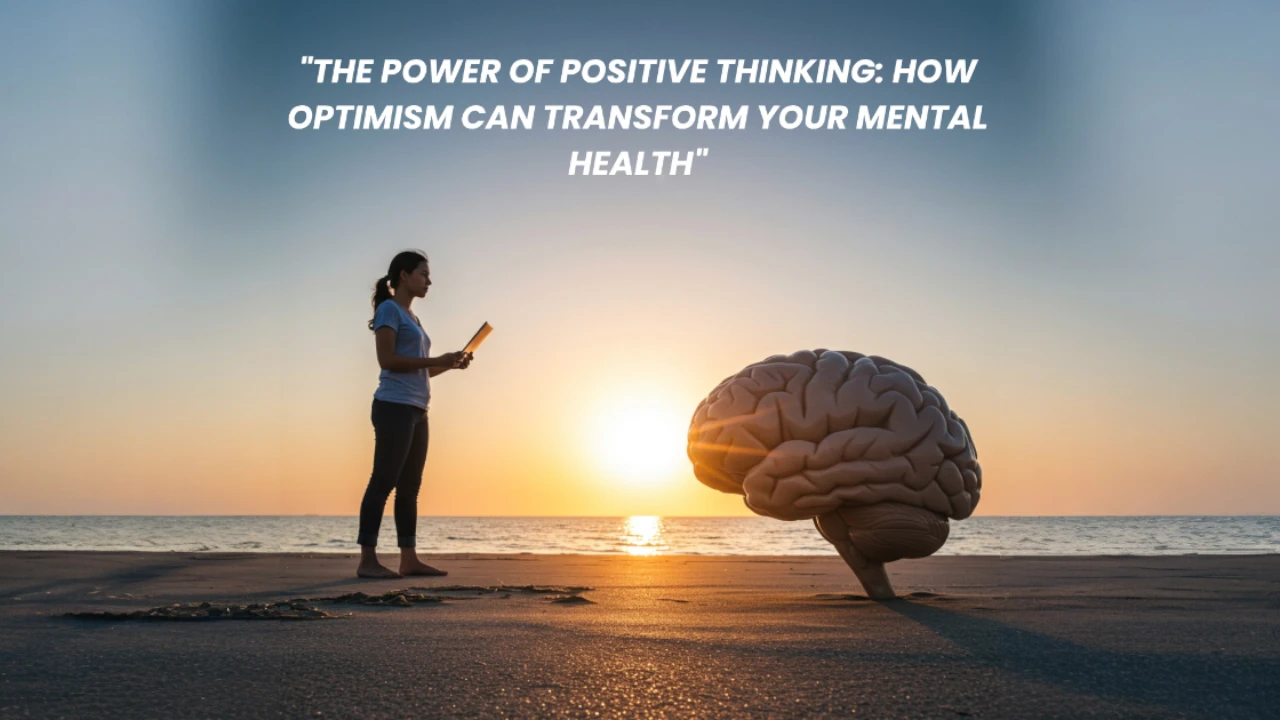
In a world filled with uncertainty, negativity often takes center stage. From social media pressures to daily life struggles, it’s easy to let pessimism cloud your perspective. But what if the secret to better mental health lies in something as simple as positive thinking?
The power of optimism goes beyond just feeling good—it reshapes how you think, behave, and respond to life’s challenges. Backed by science and psychology, positive thinking can transform your mental health, helping you live a more balanced, fulfilling, and joyful life.
In this article, we’ll explore how developing a positive mindset can reduce anxiety, improve emotional resilience, and lead to long-term well-being.
Understanding the Power of Positive Thinking
Positive thinking is not about ignoring problems or living in denial—it’s about approaching life’s challenges with a constructive attitude. It means focusing on what you can control, finding silver linings, and believing in your ability to overcome obstacles.
Optimistic people view setbacks as temporary and solvable rather than as personal failures. This mindset strengthens mental health by reducing stress, improving mood, and fostering emotional balance.
Research from the Mayo Clinic shows that people who practice optimism experience lower rates of depression, stronger immunity, and even longer life expectancy.
The Science Behind Optimism and Mental Health
Positive thinking affects the brain in measurable ways. When you focus on positive thoughts, your brain releases dopamine and serotonin—the feel-good chemicals that regulate mood, motivation, and pleasure.
Over time, consistent optimism rewires neural pathways, helping your brain default to healthier thought patterns. This concept, known as neuroplasticity, proves that your mindset can reshape your emotional reality.
In fact, a study published in Psychological Bulletin found that optimism not only enhances happiness but also reduces symptoms of anxiety and depression by changing how individuals interpret stressful situations.
How Negative Thinking Impacts Mental Well-Being
Before diving into the benefits of positive thinking, it’s important to understand the toll negativity takes on your mental health.
When you dwell on fear, doubt, or guilt, your body activates the stress response system. This increases cortisol levels, which can lead to fatigue, poor sleep, weakened immunity, and mood swings.
Chronic negative thinking reinforces feelings of hopelessness and helplessness—key drivers of anxiety and depression. It becomes a cycle that drains your energy and prevents you from seeing opportunities for growth.
By shifting your mindset toward optimism, you interrupt this cycle and create space for healing and happiness.
The Mental Health Benefits of Positive Thinking
Adopting an optimistic outlook creates profound mental health benefits that extend to every part of your life.
1. Reduced Stress Levels:
Optimistic people are better at managing stress because they approach problems as challenges rather than threats. This perception lowers physiological stress responses and helps you stay calm under pressure.
2. Improved Emotional Resilience:
Positive thinking enhances your ability to bounce back from setbacks. It encourages emotional flexibility, allowing you to recover faster from disappointment.
3. Enhanced Self-Esteem:
When you focus on your strengths instead of your flaws, your confidence grows. This self-assurance promotes mental stability and protects you from self-criticism.
4. Better Relationships:
Optimists attract supportive people and handle conflicts more constructively, leading to deeper, more fulfilling relationships.
5. Greater Life Satisfaction:
Ultimately, a positive mindset helps you find joy in everyday moments—an essential ingredient for lasting mental well-being.
Practical Ways to Cultivate Positive Thinking
Developing an optimistic mindset takes consistency, but small daily habits can make a big difference.
Practice Gratitude:
Start each day by writing down three things you’re grateful for. Gratitude shifts focus from what’s lacking to what’s already good in your life.
Reframe Negative Thoughts:
When negative thoughts appear, challenge them. Ask yourself, “Is this true?” or “Is there another way to view this?” Reframing helps you build mental resilience.
Surround Yourself with Positivity:
Your environment influences your mindset. Spend time with uplifting people, read inspiring content, and consume media that fuels growth.
Practice Mindfulness:
Mindfulness meditation helps you stay present, reducing overthinking and anxiety. Even five minutes a day can enhance focus and calmness.
Visualize Success:
Visualization strengthens belief in your goals and boosts motivation. Picture yourself achieving your desired outcome and feel the emotions associated with success.
Positive Thinking and Physical Health Connection
Your mental and physical health are deeply intertwined. Optimism not only strengthens your mind but also supports your body.
Studies from the American Heart Association reveal that positive thinkers have lower risks of heart disease, better immune function, and faster recovery after illness or surgery.
When you reduce stress through positive thinking, your body produces fewer inflammatory hormones, improving overall wellness. Sleep quality also improves, leading to better cognitive function and energy levels throughout the day.
Common Misconceptions About Positive Thinking
Many people believe that positive thinking means ignoring reality—but that’s far from true.
Here are a few myths to avoid:
- Myth 1: Positive thinking means pretending everything is perfect.
→ Truth: It’s about acknowledging challenges while choosing a hopeful response. - Myth 2: Optimism is something you’re born with.
→ Truth: Positive thinking is a skill you can develop through practice and intention. - Myth 3: You can’t be positive if you feel sad or anxious.
→ Truth: Optimism doesn’t mean you never feel negative emotions—it means you don’t let them define your mindset.
How Positive Thinking Influences Success and Productivity
A positive mindset doesn’t just enhance mental health—it boosts success in personal and professional life.
Optimistic individuals take more initiative, persist through challenges, and perform better under pressure. They see setbacks as learning experiences, which keeps them moving forward even in difficult times.
Businesses led by positive-minded leaders often enjoy higher employee morale, stronger teamwork, and better performance outcomes. The ripple effect of optimism inspires everyone involved to strive for excellence.
The Role of Positive Affirmations in Mindset Transformation
Positive affirmations are powerful tools that reinforce optimism and self-belief. When used consistently, they help replace negative self-talk with empowering thoughts.
Try repeating affirmations such as:
- “I am capable of handling anything that comes my way.”
- “Every challenge is an opportunity for growth.”
- “I choose peace and positivity today.”
Saying affirmations out loud each morning rewires your subconscious, gradually transforming your perspective and strengthening mental resilience.
How to Stay Positive During Difficult Times
Maintaining optimism during adversity can feel challenging—but it’s possible.
1. Acknowledge Your Emotions:
Accept your feelings without judgment. Positivity doesn’t mean suppressing pain; it means understanding it and choosing hope despite it.
2. Focus on Solutions:
Instead of dwelling on what went wrong, identify steps you can take to improve the situation.
3. Seek Support:
Talk to a friend, mentor, or therapist who can offer perspective and encouragement.
4. Keep a Journal:
Writing down your thoughts helps release tension and track emotional progress.
5. Practice Self-Compassion:
Be gentle with yourself. Growth takes time, and every small step counts toward healing.
Conclusion: Choose Positivity, Choose Transformation
The power of positive thinking isn’t just a cliché—it’s a transformative mindset that can redefine your mental health, relationships, and quality of life. By embracing optimism, you strengthen emotional resilience, attract opportunities, and experience greater joy in every moment.
Your thoughts shape your reality. When you choose to see the good, you invite peace, purpose, and success into your life. Start today—train your mind to think positively, and watch how your world changes.
FAQs
What is positive thinking in psychology?
Positive thinking involves focusing on the good in any situation and maintaining a hopeful outlook toward life’s challenges.
Can positive thinking really improve mental health?
Yes. Research shows that optimism reduces anxiety, depression, and stress, improving emotional and physical well-being.
How can I start thinking more positively?
Practice gratitude, mindfulness, and affirmations daily. Reframe negative thoughts into constructive perspectives.
Is positive thinking the same as ignoring problems?
No. Positive thinking means facing problems with a solution-oriented mindset, not avoiding them.
How long does it take to see results from positive thinking?
With consistent effort, you can start noticing mental and emotional improvements within a few weeks.
Internal Links:
External Source Links:
- Mayo Clinic: Positive Thinking and Stress Management
- American Heart Association: The Health Benefits of Optimism
