


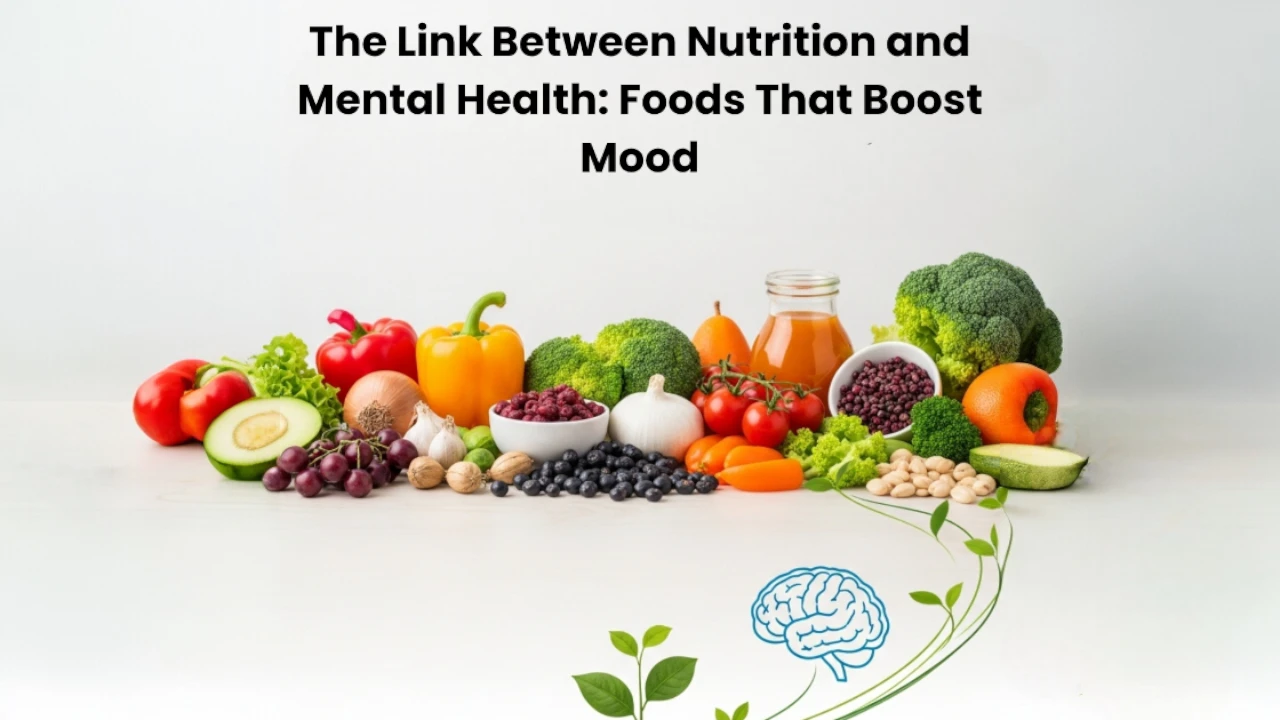
Your brain and body are deeply connected. What you eat impacts your energy, focus, emotions, and long-term mental well-being. Healthy food supports strong brain function, while sugary, ultra-processed foods may contribute to anxiety, fatigue, and mood swings.
Nutrition affects how your brain produces chemicals like serotonin, dopamine, and GABA, all of which regulate mood. When you nourish your body well, your mind thrives.
Why Nutrition Plays a Key Role in Mental Health
Your gut and brain share constant communication through the gut-brain axis. When gut health is strong, your mood improves. When your gut suffers, emotional balance becomes harder.
Healthy nutrition can:
- Reduce anxiety
- Support emotional regulation
- Improve focus and productivity
- Boost energy
- Decrease inflammation
Small dietary shifts can deliver massive improvements in mental well-being.
The Gut–Brain Connection
Your gut houses trillions of microorganisms that influence hormone production and neurological activity. Nearly 90% of serotonin—your feel-good hormone—is produced in the gut, not the brain.
A balanced gut microbiome means better mood balance. A disrupted gut can lead to stress, poor sleep, and low emotional resilience.
Foods rich in fiber, probiotics, and antioxidants help create a strong microbiome that supports mental health.
Mood-Boosting Foods You Should Include
Certain foods are especially powerful in improving emotional balance. Adding them to your diet can help you feel more focused, calm, and energized.
Fatty Fish for Brain Function
Salmon, sardines, and tuna are high in omega-3 fatty acids, essential for brain structure and neurotransmitter activity. Omega-3s sharpen focus, reduce inflammation, and support emotional balance.
Eating fatty fish regularly has been linked to reduced symptoms of depression and anxiety.
Leafy Greens for Stress Relief
Spinach, kale, and Swiss chard are packed with folate, magnesium, and antioxidants. These nutrients help regulate stress hormones and support brain cell development.
Magnesium—found in abundance in dark greens—helps calm the nervous system.
Berries for Antioxidant Power
Blueberries, strawberries, and blackberries are rich in antioxidants that protect brain cells from inflammation. They support memory, focus, and emotional resilience.
The natural compounds in berries help reduce oxidative stress and support long-term mental health.
Whole Grains for Steady Energy
Oats, quinoa, and brown rice provide slow-burning energy through complex carbohydrates. They help keep blood sugar stable, preventing irritability and fatigue.
Whole grains support serotonin production, enhancing overall mood and emotional stability.
Probiotic Foods for a Healthy Gut
Yogurt, kefir, miso, sauerkraut, and kimchi strengthen gut health by promoting beneficial bacteria. A healthy gut helps regulate mood through the gut-brain axis.
Adding probiotic-rich foods to your diet supports digestion, serotonin production, and stress resilience.
Nuts and Seeds for Emotional Support
Almonds, chia seeds, pumpkin seeds, and walnuts deliver healthy fats, fiber, and magnesium. These nutrients reduce anxiety, improve sleep quality, and enhance focus.
Seeds like pumpkin and sunflower contain tryptophan, supporting serotonin production naturally.
Dark Chocolate for Mood Balance
Dark chocolate offers antioxidants and natural compounds that stimulate endorphins and serotonin. It promotes relaxation, pleasure, and improved emotional state.
Choose dark chocolate with high cocoa content and minimal added sugar.
Avocados for Brain Nutrients
Avocados are full of healthy fats, folate, and vitamin B6—nutrients essential for brain chemistry. They support cognitive performance and emotional well-being.
Their healthy fats also nourish nerve cells and improve nutrient absorption.
Green Tea for Calm Focus
Green tea provides a calming amino acid called L-theanine, which encourages relaxation without drowsiness. Combined with caffeine, it improves focus and reduces stress.
This makes green tea ideal for balanced mental energy.
Lifestyle Changes That Enhance Nutrition’s Effects
Food is powerful, but combining healthy nutrition with the right daily habits creates even stronger results.
Support your mental health by:
- Staying physically active
- Staying hydrated
- Getting sunlight exposure
- Sleeping 7–9 hours nightly
- Managing stress through meditation or breathwork
Consistent care leads to lasting emotional health.
Foods That Can Hurt Your Mood
Just as some foods elevate your emotional health, others negatively affect mental balance. Highly processed products and sugary snacks can contribute to depression, irritability, and anxiety.
Limit:
- Ultra-processed foods
- Sugary drinks
- Fried foods
- Excess caffeine
- Alcohol
These items disrupt hormones, blood sugar, and gut health—leading to emotional imbalance.
Nutrition Tips to Improve Mental Well-Being
Even small shifts in food choices can make a noticeable difference. Focus on:
- Eating balanced meals
- Adding more colorful produce
- Choosing whole over processed foods
- Drinking plenty of water
- Cooking at home
Prioritizing whole foods lays a strong foundation for emotional health.
Build a Mood-Friendly Meal Plan
A balanced meal plan keeps your brain fueled and steady throughout the day.
A sample day:
- Breakfast: Oats with berries and chia seeds
- Lunch: Salmon salad with leafy greens
- Snack: Nuts and a piece of dark chocolate
- Dinner: Brown rice with grilled chicken and vegetables
- Drink: Green tea or water
These simple combinations help restore energy, reduce stress, and build emotional resilience.
Supplements That Support Mental Health
While food should come first, some supplements fill nutritional gaps:
- Omega-3 fatty acids
- Magnesium
- Vitamin D
- Vitamin B-complex
- Probiotics
Talk with a healthcare professional before beginning supplements.
Conclusion: Nourish the Body for a Happier Mind
Nutrition plays a powerful role in mental health. What you eat directly influences brain function, mood regulation, and emotional productivity. By adding mood-boosting foods and reducing processed ingredients, you support emotional resilience, sharper focus, and balanced energy.
Your mental well-being starts with your plate.
Choose foods that help you thrive.
FAQs
How quickly can food affect my mood?
Effects vary, but many people feel benefits within days or weeks of improving diet.
Do sugary foods worsen mental health?
Yes. Sugary foods can cause mood crashes, irritability, and increased anxiety.
Can gut health impact mood?
Absolutely. The gut-brain connection influences hormones and neurotransmitters related to emotional balance.
Are supplements necessary for mental health?
Sometimes. While whole foods are best, supplements may help when deficiencies are present.
Are omega-3s good for mental health?
Yes. Omega-3 fatty acids support emotional stability, brain function, and focus.
Internal Link Suggestion:
Read next: The Role of Probiotics in Gut Health and Overall Well-Being
External Authority Link Suggestion:
Harvard School of Public Health — Nutrition & Mental Health
https://www.hsph.harvard.edu
