


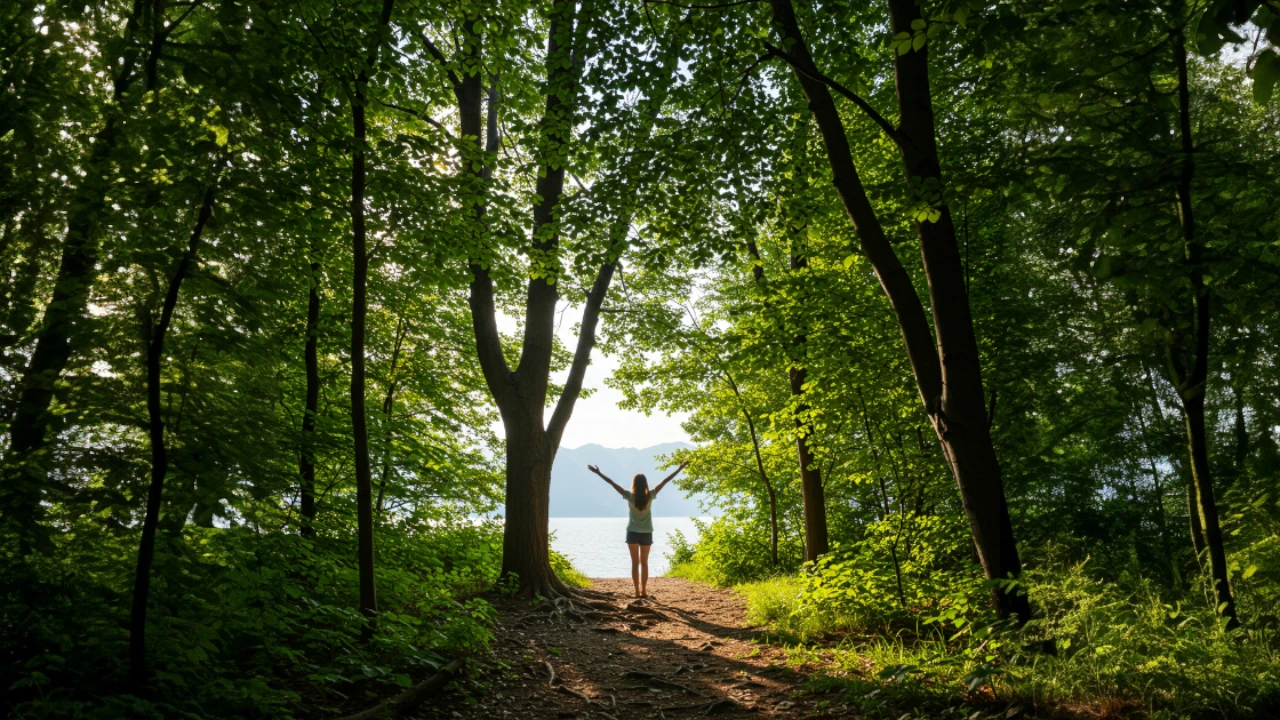
In today’s fast-paced digital world, people often forget the profound connection they share with the natural environment. The truth is, nature has always been humanity’s most effective healer—providing mental clarity, emotional balance, and physical rejuvenation.
Whether it’s walking through a lush forest, sitting by the ocean, or simply feeling the morning sun on your skin, time spent outdoors revitalizes your entire being. Science now confirms what ancient wisdom has always known: nature nourishes holistic wellness—uniting the mind, body, and spirit in perfect harmony.
This article explores the impact of nature on holistic wellness and why you should make outdoor time a non-negotiable part of your lifestyle.
Understanding Holistic Wellness
Holistic wellness focuses on achieving balance in all aspects of life—physical, emotional, mental, and spiritual. Instead of just addressing symptoms, it looks at the whole person and how different areas of well-being connect.
When you immerse yourself in nature, you naturally support this balance. Fresh air, natural light, and green environments help your body relax and your mind reset, leading to a healthier and more fulfilled life.
How Nature Restores Mental Health
Modern life is full of noise, deadlines, and constant stimulation from technology. This overload often leads to anxiety, stress, and burnout.
Spending time outdoors acts as a natural antidote. Studies from the American Psychological Association show that exposure to green spaces reduces cortisol levels—the body’s primary stress hormone.
Here’s how nature helps your mental health thrive:
- Reduces anxiety and depression
- Boosts mood and optimism
- Improves focus and attention span
- Increases creativity and problem-solving skills
Even a short walk in the park can make you feel calmer, more present, and mentally refreshed.
The Physical Health Benefits of Outdoor Activities
Beyond mental health, nature deeply supports your physical wellness. Outdoor activities like hiking, cycling, or swimming are not only enjoyable but also strengthen your cardiovascular system, muscles, and immune response.
Key physical benefits include:
- Enhanced oxygen intake and lung function
- Lower blood pressure and heart rate
- Improved sleep quality
- Increased Vitamin D levels from sunlight
- Boosted immune system through exposure to natural microbes
Nature essentially turns exercise into a joyful experience rather than a chore.
Nature’s Role in Emotional Healing
Nature doesn’t just heal the mind and body—it also nurtures your emotional well-being. When you spend time outdoors, your body releases endorphins and serotonin—hormones that make you feel happy and relaxed.
Moments like watching a sunrise, listening to birds sing, or feeling the wind on your face cultivate gratitude, presence, and peace. They remind you of life’s simplicity and help release emotional tension built up from everyday stress.
Being in nature encourages mindfulness, a core principle of emotional health. It grounds you in the present moment and allows your emotions to flow naturally, creating space for calmness and healing.
Reconnecting Spiritually Through Nature
In many cultures and spiritual traditions, nature is seen as sacred—a reflection of divine balance and beauty. Spending time outdoors connects you to something larger than yourself, promoting a sense of purpose and harmony.
This spiritual connection enhances self-awareness, compassion, and gratitude. Whether it’s meditating under a tree or walking along a beach, nature helps you tune into your inner wisdom and find clarity.
Being present in the natural world is, in itself, a form of meditation—one that strengthens your spirit and deepens your sense of belonging in the universe.
The Science Behind Nature and Holistic Wellness
Research continually supports the link between nature and holistic health. For example:
- “Forest bathing” (Shinrin-yoku), a Japanese practice of mindful walking in forests, significantly lowers stress and boosts immunity.
- A study by Harvard Health found that people who spend time in natural settings experience better heart health and reduced inflammation.
- Children who play outdoors regularly show improved cognitive development and emotional regulation.
Science confirms what intuition has always told us: nature is essential for optimal well-being.
Practical Ways to Spend More Time Outdoors
You don’t need to live near mountains or oceans to enjoy the benefits of nature. Even small, consistent steps can make a huge difference.
Try these simple practices to reconnect with nature:
- Take a morning walk or jog in a local park.
- Practice yoga or meditation outdoors.
- Eat lunch outside or plan “tech-free” nature breaks during the day.
- Start a small garden or keep indoor plants to bring nature closer.
- Spend weekends exploring local trails, beaches, or botanical gardens.
The key is consistency—the more time you spend outdoors, the deeper the positive impact on your holistic wellness.
Nature as a Remedy for Digital Overload
Today’s world is dominated by screens, notifications, and virtual connections. While technology brings convenience, it also disconnects us from reality and increases stress.
Nature acts as the perfect digital detox. Time outdoors helps your mind recalibrate, allowing you to disconnect from constant digital noise and reconnect with yourself.
When you step into a natural space, your nervous system resets, and your mind shifts from stimulation to stillness. This mental clarity leads to better focus, creativity, and emotional balance—even when you return to your devices.
Creating a Lifestyle Aligned with Nature
To truly benefit from the outdoors, integrate nature into your daily lifestyle—not just as an occasional activity.
Here’s how to live more naturally aligned:
- Wake with the sun and maintain a balanced circadian rhythm.
- Prioritize outdoor time during work breaks or weekends.
- Eat whole, natural foods grown from the earth.
- Sleep in sync with natural light and darkness cycles.
- Practice gratitude for the beauty of the natural world.
When your routine harmonizes with the rhythms of nature, your energy, mood, and health improve effortlessly.
Building Community and Connection Through Nature
Spending time outdoors also fosters social wellness—a key part of holistic health. Whether it’s joining a hiking club, gardening with friends, or volunteering for environmental causes, nature brings people together.
These shared experiences build a sense of belonging, empathy, and teamwork. Human connection thrives when nurtured in natural spaces, reminding us that community and the environment are deeply intertwined.
The Ripple Effect: Nature and Global Wellness
Your connection with nature doesn’t just improve your own well-being—it also encourages you to protect the planet. When you experience firsthand the peace and balance nature provides, you naturally develop a sense of environmental responsibility.
This mindset supports global wellness by promoting sustainable habits like:
- Reducing waste and plastic use
- Supporting eco-friendly brands
- Conserving water and energy
- Participating in tree-planting or clean-up drives
Caring for nature means caring for your future. The planet’s health and human wellness are two sides of the same coin.
Conclusion: Step Outside and Thrive
Nature is more than a backdrop—it’s a lifeline to holistic wellness. Every breath of fresh air, every walk in the park, and every moment under the sky helps restore balance in your mind, body, and spirit.
In a world that constantly demands your attention, spending time outdoors is an act of self-care and self-connection. It strengthens resilience, enhances creativity, and cultivates peace.
So, close your laptop, put down your phone, and step outside.
Your body will feel alive. Your mind will clear.
And your spirit will thank you. 🌿
FAQs
What is holistic wellness?
Holistic wellness focuses on the complete well-being of the mind, body, and spirit, aiming for harmony in all areas of life.
How does nature improve mental health?
Nature reduces stress hormones, enhances mood, and increases focus by providing a calming and restorative environment.
Can short outdoor breaks really make a difference?
Yes! Even 10–15 minutes outdoors daily can lower stress, boost mood, and improve concentration.
What are some easy ways to spend more time in nature?
Take walks, garden, meditate outdoors, or enjoy meals outside. Simple actions can have powerful effects.
Why is spending time outdoors important in modern life?
Outdoor time helps balance the overstimulation caused by digital devices and reconnects you with natural rhythms that support wellness.
Internal & External Resources:
- Harvard Health Publishing – How nature helps mental health
- American Psychological Association – The nature fix
- National Institutes of Health – Health benefits of green spaces
