


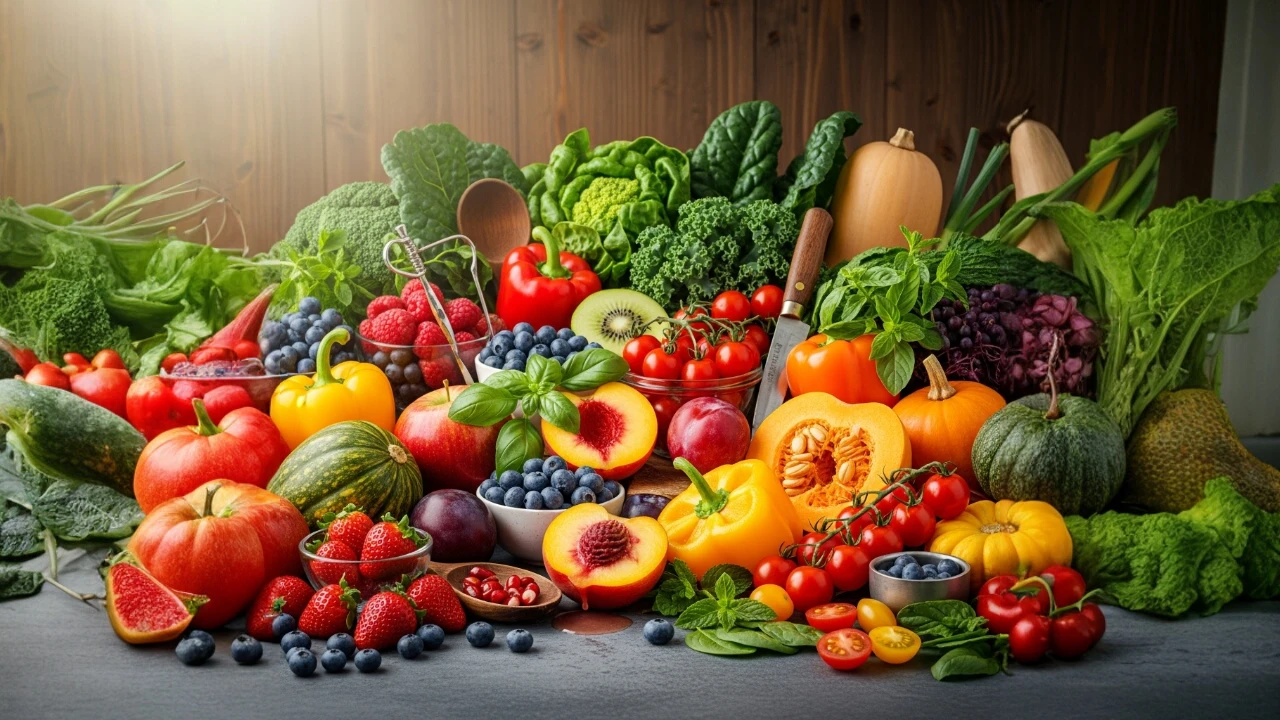
Eating healthy doesn’t have to mean following strict diets or spending a fortune on exotic produce. The real secret? Seasonal fruits and vegetables. They’re fresher, tastier, and packed with more nutrients — not to mention better for your wallet and the planet.
In this guide, you’ll learn how to easily include seasonal produce in your meals, why it matters, and how this simple change can completely transform your eating habits.
Why Eating Seasonal Produce Matters
When you eat fruits and vegetables in season, you’re consuming them at their nutritional peak. That means:
- Higher nutrient density: More vitamins, minerals, and antioxidants.
- Better flavor: Seasonal produce tastes richer and juicier.
- Lower cost: Local, in-season items are cheaper to grow and transport.
- Eco-friendly: Reduces the carbon footprint of shipping and storage.
By syncing your diet with nature’s rhythm, you’re giving your body exactly what it needs — when it needs it.
How to Identify What’s in Season
A quick trip to your local farmer’s market or grocery store can tell you what’s fresh. Look for displays marked “locally grown” or “in season.”
Here’s a quick seasonal breakdown (varies by region):
- Spring: Asparagus, spinach, peas, strawberries.
- Summer: Tomatoes, zucchini, peaches, corn, berries.
- Fall: Apples, sweet potatoes, pumpkins, kale.
- Winter: Citrus fruits, carrots, beets, cabbage, squash.
Knowing what’s in season helps you plan meals that are both nutritious and exciting.
Creative Ways to Add Seasonal Fruits to Your Meals
You don’t have to overhaul your entire diet. Simply add fruits to meals you already love:
- Breakfast: Top your oatmeal or yogurt with fresh berries, peaches, or apples.
- Lunch: Add sliced pears or mandarin oranges to salads for a natural sweetness.
- Snacks: Make fruit kabobs or blend seasonal fruits into smoothies.
- Desserts: Bake apples, grill peaches, or make homemade fruit popsicles.
By rotating fruits seasonally, your meals will always feel new and full of flavor.
Smart Ways to Include Seasonal Vegetables
Vegetables don’t have to be boring — especially when they’re fresh from the season.
Try these easy ideas:
- Roast them: Roasting enhances natural sweetness (great for carrots, beets, and squash).
- Toss them into pasta: Fresh cherry tomatoes, spinach, or mushrooms add color and nutrients.
- Blend into soups: Seasonal veggies like pumpkin or sweet potato make delicious creamy bases.
- Grill or sauté: Summer vegetables like zucchini, eggplant, and peppers taste amazing grilled.
- Add to sandwiches and wraps: Crisp lettuce, cucumber, and avocado can elevate any meal.
Cooking with what’s in season keeps your diet balanced and prevents mealtime boredom.
Meal Planning Around Seasonal Produce
Meal planning helps you make the most of seasonal foods.
Pro tips:
- Plan weekly menus: Check what’s in season before shopping.
- Shop at local markets: Farmers often suggest the best ways to cook their produce.
- Prep ahead: Chop vegetables or wash fruits in advance to make cooking faster.
- Batch cook: Make soups, stir-fries, or roasted veggie mixes to use throughout the week.
With a little preparation, healthy eating becomes easy and automatic.
The Nutritional Edge of Seasonal Foods
Eating seasonally ensures your body gets nutrients aligned with each season’s needs.
- Winter: Vitamin C-rich citrus fruits help strengthen immunity.
- Summer: Water-rich produce like watermelon and cucumber keep you hydrated.
- Fall: Root vegetables and pumpkins provide grounding energy and fiber.
- Spring: Leafy greens help detoxify and refresh after winter.
This natural balance supports your immune system, digestion, and overall energy levels.
Preserving Seasonal Goodness Year-Round
Want to enjoy your favorite fruits and vegetables all year long? Preserve them!
- Freeze: Berries, peas, and greens freeze easily for smoothies or soups.
- Pickle: Cucumbers, carrots, and beets can be pickled for extra crunch.
- Dry or dehydrate: Apples, bananas, and tomatoes make healthy snacks.
- Can or jar: Homemade jams and sauces are a tasty way to save summer’s sweetness.
Preserving seasonal produce keeps you connected to nature’s cycles year-round.
Make Eating Seasonal a Family Habit
Get your family involved to make it fun and sustainable.
- Take kids to the farmers’ market.
- Let everyone choose a fruit or veggie to try weekly.
- Cook together — it encourages healthy eating habits early on.
When healthy food becomes a shared experience, it’s easier to stick with it.
Conclusion: Eat Fresh, Eat Seasonal, Eat Smart
Incorporating seasonal fruits and vegetables into your meals isn’t just about eating healthy — it’s about living in harmony with nature. You’ll enjoy better flavor, more nutrients, and even save money.
Start small: swap one or two meals a week with seasonal options. Over time, these small shifts will lead to a healthier, more energized, and joyful lifestyle.
So next time you’re grocery shopping, pause and ask: What’s in season today? Your body (and taste buds) will thank you!
FAQs
Q: Why are seasonal fruits and vegetables healthier?
Because they’re harvested at peak ripeness, meaning higher nutrient content, better taste, and fewer preservatives.
Q: Is eating local the same as eating seasonal?
Often, yes! Local produce tends to be seasonal since it’s grown naturally in your region’s climate.
Q: Can I still eat out-of-season produce?
Yes, but focus mainly on seasonal items for the best nutrition and cost savings.
Q: What’s the easiest way to start eating seasonally?
Check a seasonal produce chart for your region and base a few meals around what’s in season.
Q: How can I make seasonal eating affordable?
Buy in bulk when items are in season and freeze or preserve extras for later use.
Internal Link Suggestion:
If your site covers nutrition, link to articles like “10 Superfoods to Boost Your Immune System” or “Healthy Meal Prep Tips for Busy People.”
External Link Suggestion:
Link to the USDA Seasonal Produce Guide or EatSeasonably.org for reference on what’s fresh in your area.
