


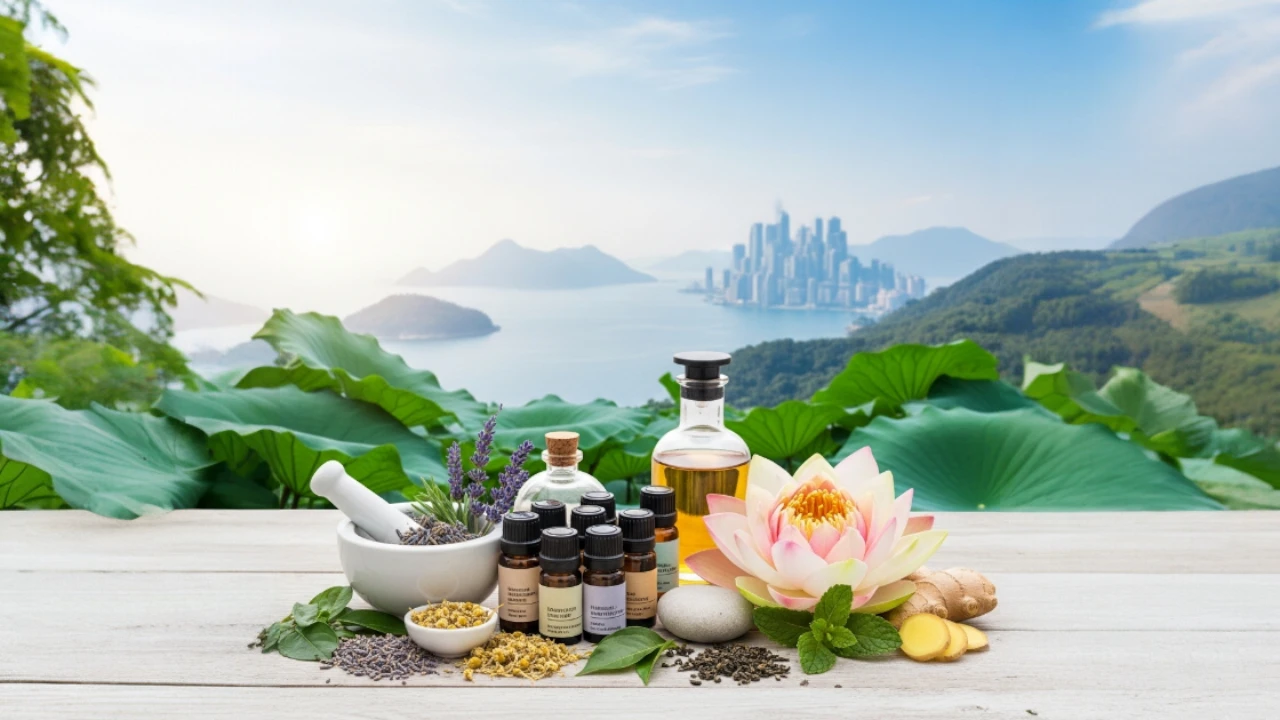
Let’s confront an uncomfortable reality: we’re living in an era of unprecedented medical advancement, yet more people than ever are turning away from synthetic solutions and looking backward to move forward. This isn’t about rejecting modern medicine; it’s about a profound integration. The resurgence of natural remedies represents a fundamental transformation in the wellness landscape—a shift from symptom suppression to root-cause resolution, from isolated pharmaceutical interventions to holistic, systems-based healing. In 2024, wellness isn’t just about what you avoid; it’s about what you intentionally incorporate from nature’s pharmacy to build resilience, balance, and sustainable vitality. This movement, driven by both ancient wisdom and modern science, is moving natural remedies from the fringe to the foundation of proactive health.
The transformation is occurring because natural remedies offer something our fast-paced, quick-fix culture often lacks: a focus on the body’s innate intelligence and the interconnectedness of mind, body, and environment. This isn’t a nostalgic return to the past, but an evidence-informed evolution, where turmeric is studied for its anti-inflammatory properties in peer-reviewed journals, and mindfulness is prescribed alongside medication. This article will explore how this paradigm is reshaping wellness and provide you with practical, safe strategies to navigate this powerful trend.
The Paradigm Shift: From Suppression to Support
The modern approach to natural remedies marks a decisive break from both rigid conventional medicine and unsubstantiated folk practice.
| The Old Model (20th Century) | The New Wellness Model (2024 & Beyond) |
|---|---|
| Conventional Approach: Pharmaceuticals for acute symptoms. | Integrative Approach: Natural remedies for foundational support + pharmaceuticals for crisis. |
| Alternative Approach: Often dogmatic, anti-science, “one herb fits all.” | Holistic Approach: Personalized, science-informed, synergistic protocols. |
| Focus: Disease management. | Focus: Health optimization and prevention (building a robust “terrain”). |
| Relationship with Body: Body as machine to be fixed. | Relationship with Body: Body as ecosystem to be nurtured. |
| Evidence Base: Reliance on tradition or anecdote alone. | Evidence Base: Phytochemistry, clinical trials, and biomarker tracking. |
This shift signifies the rise of Integrative Health, where the best of both worlds converges, and natural remedies are chosen for their specific, evidence-backed actions on human physiology.
The Four Pillars of the Modern Natural Remedies Movement
This transformation is built on these interconnected principles that guide safe and effective use.
Pillar 1: The Rise of Adaptogens and Herbal Allies for Resilience
Modern life creates constant stress. Adaptogens are a class of natural remedies (herbs and fungi) that help the body adapt to and resist physical, chemical, and biological stressors.
- The Science: They are thought to work through the HPA axis (hypothalamic-pituitary-adrenal), modulating cortisol and promoting homeostasis.
- Practical Applications:
- Ashwagandha: For chronic stress, anxiety, and improving sleep quality. Shown in studies to reduce cortisol.
- Rhodiola Rosea: For mental fatigue, burnout, and enhancing cognitive performance under stress.
- Holy Basil (Tulsi): For overall resilience and as a gentle daily tonic to support a balanced stress response.
- Modern Twist: These are now found in high-quality, third-party tested tinctures, powders, and capsules, moving beyond the unpredictable world of bulk-bin herbs.
Pillar 2: The Gut-Brain Axis and Plant-Based Healing
The understanding that gut health is inextricably linked to mental health, immunity, and inflammation has propelled specific natural remedies to the forefront.
- The Science: The gut microbiome produces neurotransmitters, regulates immune function, and influences systemic inflammation.
- Practical Applications:
- Targeted Fermented Foods: Kimchi, sauerkraut, kefir, and kombucha as sources of diverse probiotics, not just pills.
- Prebiotic Herbs & Fibers: Incorporating garlic, onions, dandelion greens, and psyllium husk to feed beneficial gut bacteria.
- Demulcent & Bitter Herbs: Slippery elm or marshmallow root to soothe gut lining; gentian or ginger as bitters to stimulate digestion.
Pillar 3: Cannabinoid Science Beyond CBD
The destigmatization and legalization of cannabis have opened a new frontier in plant medicine, focusing on the body’s innate endocannabinoid system (ECS).
- The Science: The ECS regulates sleep, mood, appetite, pain, and immune function. Phytocannabinoids (from plants) can support this system.
- Practical Applications:
- Full-Spectrum & Broad-Spectrum CBD: For anxiety, inflammation, and sleep, leveraging the “entourage effect” of multiple plant compounds.
- Other Cannabinoids: CBN (cannabinol) is gaining traction for sleep, CBG (cannabigerol) for gut and focus. This represents a move toward precision plant compounds.
- Modern Twist: Sophisticated, dose-controlled products from reputable companies, with certificates of analysis (COAs) for purity and potency.
Pillar 4: Functional Foods and Spice-Based Medicine
The adage “let food be thy medicine” has become a quantifiable strategy, with a focus on anti-inflammatory and nutrient-dense superfoods.
- The Science: Chronic inflammation is the root of most modern diseases. Many foods have potent anti-inflammatory and antioxidant properties.
- Practical Applications:
- Turmeric & Curcumin: Heavily researched for its potent anti-inflammatory action, often paired with black pepper (piperine) to enhance absorption.
- Ginger: For nausea, digestive support, and as an anti-inflammatory.
- Green Tea (EGCG): For cognitive health, metabolism, and antioxidant protection.
- Bone Broth & Collagen: For gut and joint health, supporting the body’s structural proteins.
Your Practical Guide: Integrating Natural Remedies Safely
Phase 1: Education & Consultation (The Foundation)
- Research Reputable Sources: Look for information from universities (.edu), integrative medical centers, and credentialed herbalists.
- Talk to a Professional: Consult with an integrative MD, naturopathic doctor (ND), or registered herbalist. Disclose all supplements to your primary doctor to avoid interactions with medications.
- Start Low & Go Slow: Begin with one remedy at a low dose to observe your body’s response.
Phase 2: Strategic Implementation (Building Your Protocol)
- Identify Your Primary Goal: Is it stress? Sleep? Gut issues? Choose one area to focus on initially.
- Select Quality Products: Choose brands that use third-party testing and are transparent about sourcing. Look for organic, non-GMO certifications where applicable.
- Pair with Foundational Habits: No remedy replaces sleep, whole-food nutrition, hydration, and movement. They work synergistically.
Phase 3: Observation & Refinement (Becoming Your Own Expert)
- Keep a Symptom Journal: Track doses, timing, and any changes in energy, sleep, mood, or digestion.
- Give It Time: Most natural remedies work on a timescale of weeks to months, not hours.
- Cycle When Appropriate: Some herbs, especially adaptogens, may be more effective when used in cycles (e.g., 5 days on, 2 days off, or 8 weeks on, 1 week off).
The 5 Critical Mistakes in Modern Natural Wellness
- Assuming “Natural” Means “Harmless”: Herbs have powerful pharmacologic effects. They can interact with medications (e.g., St. John’s Wort with antidepressants) or be contraindicated for certain conditions.
- Ignoring the Source & Quality: The supplement industry is poorly regulated. Contaminants, fillers, and inaccurate potency are real risks.
- Treating the Symptom, Not the System: Taking valerian for sleep without addressing caffeine intake, blue light exposure, or stress is a band-aid, not a solution.
- Abandoning Conventional Care When Needed: Natural remedies excel at prevention and managing chronic conditions. They are not a substitute for emergency medicine, antibiotics for acute infections, or necessary surgeries.
- Jumping on Every Trend Without Research: Just because an herb is trending on social media doesn’t mean it’s right for your unique biochemistry or health status.
Frequently Asked Questions (FAQs)
Q1: How do I know if I need a natural remedy or a prescription drug?
A: This is the core of integrative thinking. Use this framework: For acute, severe, or life-threatening conditions (e.g., bacterial infection, severe pain, mental health crisis), pharmaceuticals are often first-line. For chronic, low-grade, or preventive care (e.g., ongoing stress, mild anxiety, joint stiffness, immune support), natural remedies and lifestyle changes are excellent first steps and can be used alongside medication under professional guidance.
Q2: Are essential oils considered natural remedies?
A: Yes, but with major caveats. They are highly concentrated plant compounds (phytochemicals). They can be powerful for aromatherapy (affecting mood via the olfactory system) and some topical uses, but they are not meant for indiscriminate internal use and can be toxic. Quality and dilution are paramount.
Q3: Can natural remedies truly be “evidence-based”?
A: Absolutely. The field of phytotherapy (plant medicine) and nutritional science relies on clinical research. For example, the efficacy of St. John’s Wort for mild-to-moderate depression or peppermint oil for IBS is supported by numerous clinical trials. Always look for the research behind the claim.
Q4: I’m on medication. How can I safely explore this?
A: Professional guidance is non-negotiable. Schedule a consultation with a pharmacist trained in herb-drug interactions or an integrative physician. Bring a complete list of all medications and supplements. Some resources like the Natural Medicines Database are used by professionals to check interactions.
Q5: What’s the biggest difference between this trend and the “health food” movement of the 70s?
A: Scientific validation and personalization. The old movement was often ideological. The new trend is driven by genomics, microbiome testing, and biomarker tracking, allowing for personalized protocols. It’s less about dogma and more about data-informed, individual experimentation.
Q6: Where is this trend headed next?
A: Look for:
- Personalized Herbalism: DNA and microbiome testing to tailor herbal protocols.
- Mushroom (Functional Fungi) Expansion: Beyond lion’s mane and reishi, into more niche fungi for specific health goals.
- Tech-Enabled Growing: Home smart gardens for cultivating your own medicinal herbs.
- Mainstream Medical Adoption: More hospitals establishing integrative medicine departments.
Conclusion: Reclaiming Wisdom, Embracing Science
The transformation of natural remedies within modern wellness is a powerful synthesis—a reclaiming of ancestral wisdom, refined through the lens of contemporary science. It represents a mature approach to health that honors the complexity of the human body and the profound healing potential of the natural world. This trend is not a rejection of progress, but an evolution toward a more nuanced, empowered, and sustainable model of self-care.
By approaching this movement with respect for both the power of plants and the principles of evidence-based practice, you can move beyond being a passive consumer of healthcare to an active participant in building your well-being. Start with one well-researched remedy, pair it with a foundational healthy habit, and observe. In this deliberate, informed integration of nature and science, you’ll find the true transformation of modern wellness.
