


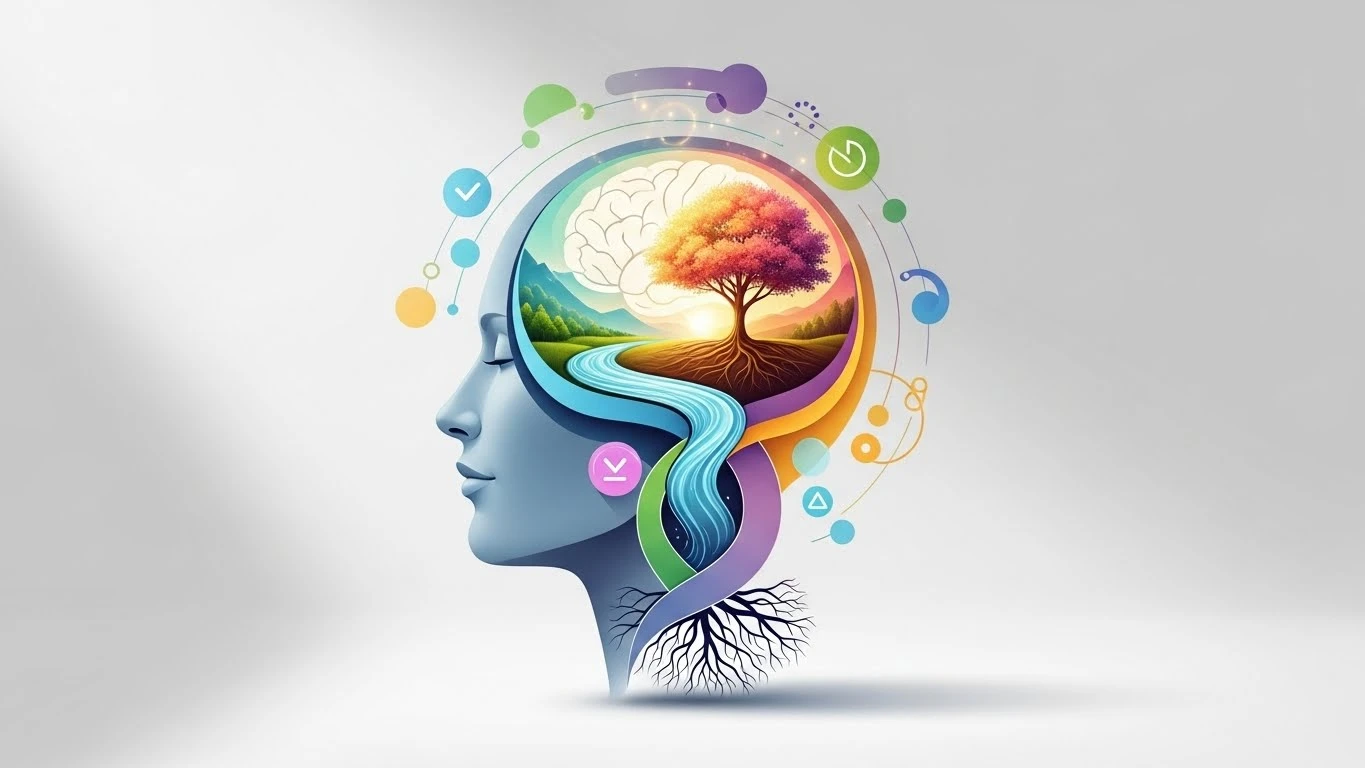
In recent years, the global wellness industry has undergone a major shift—one that places mental wellness at the heart of healthy living. What used to be a secondary topic is now recognized as a crucial part of overall well-being. From lifestyle habits to workplace culture, mental wellness is transforming how people approach health, productivity, and personal growth.
Today, mental wellness is no longer just about managing stress—it’s about building resilience, improving emotional balance, and living a healthier, more meaningful life.
1. Why Mental Wellness Matters More Than Ever
Mental wellness has become a major priority for individuals and industries for several reasons:
✔ Increased stress in daily life
Modern lifestyles are fast, demanding, and often overwhelming—making emotional well-being a necessity.
✔ Growing awareness and openness
People now speak more openly about anxiety, burnout, and emotional fatigue.
✔ Connection between mind and body
Studies show that mental wellness strongly impacts physical health, sleep, immunity, and energy levels.
This awareness has shifted wellness trends toward a more holistic, balanced approach.
2. The Rise of Mindfulness and Meditation Practices
Mindfulness has become one of the biggest trends in modern wellness.
Why people love it:
- Reduces stress and emotional overload
- Improves focus and clarity
- Helps regulate emotions
- Boosts productivity
Apps, guided sessions, and wellness programs now commonly include mindfulness routines to support everyday mental health.
3. Workplaces Adopting Mental Health Programs
Companies today understand that employee well-being leads to better performance. As a result:
✔ Workplaces offer mental health days
✔ Remote and flexible working options
✔ Wellness coaching, therapy support, and workshops
✔ Stress-management training
This shift has changed how organizations operate and how employees experience work-life balance.
4. Fitness Programs Now Include Mental Wellness
Modern fitness is no longer only about building muscle or burning calories. Many programs now integrate:
- Breathwork
- Mental-focus exercises
- Yoga and stretching
- Stress-relief training
Gyms and fitness coaches also highlight the emotional benefits of staying active, helping people view fitness as a full-body and mind experience.
5. Social Media Driving Wellness Awareness
Influencers, wellness coaches, and health brands now talk openly about mental health topics like:
- Burnout
- Overwhelm
- Emotional boundaries
- Self-care routines
- Productivity habits
This transparency helps normalize mental well-being and makes people more comfortable prioritizing it.
6. Technology Transforming Mental Wellness
Technology plays a huge role in modern wellness trends:
✔ Meditation and breathing apps
✔ Teletherapy and online counseling
✔ AI-based wellness assistants
✔ Sleep tracking devices
These tools make mental wellness more accessible, affordable, and personalized than ever before.
7. Holistic Wellness as a New Standard
Holistic wellness emphasizes the balance between mind, body, and emotional health.
People now prefer routines that include:
- Healthy food
- Good sleep
- Stress-free lifestyle
- Connection with others
- Purposeful living
This mindset has become a core part of modern wellness culture.
8. Self-Care Becoming a Daily Ritual
Self-care is no longer seen as a luxury—it’s a daily requirement. Popular trends include:
- Journaling
- Nature walks
- Digital detox
- Relaxation routines
- Time management for mental peace
The idea is simple: Better self-care leads to better mental health.
Conclusion
Mental wellness is no longer an optional part of life—it’s the foundation of modern wellness trends. From mindful living to workplace support and tech-driven wellness tools, the world is moving toward a future where mental well-being is prioritized, protected, and celebrated.
By embracing these trends, individuals can build a healthier, calmer, and more fulfilling life—both mentally and physically.
