


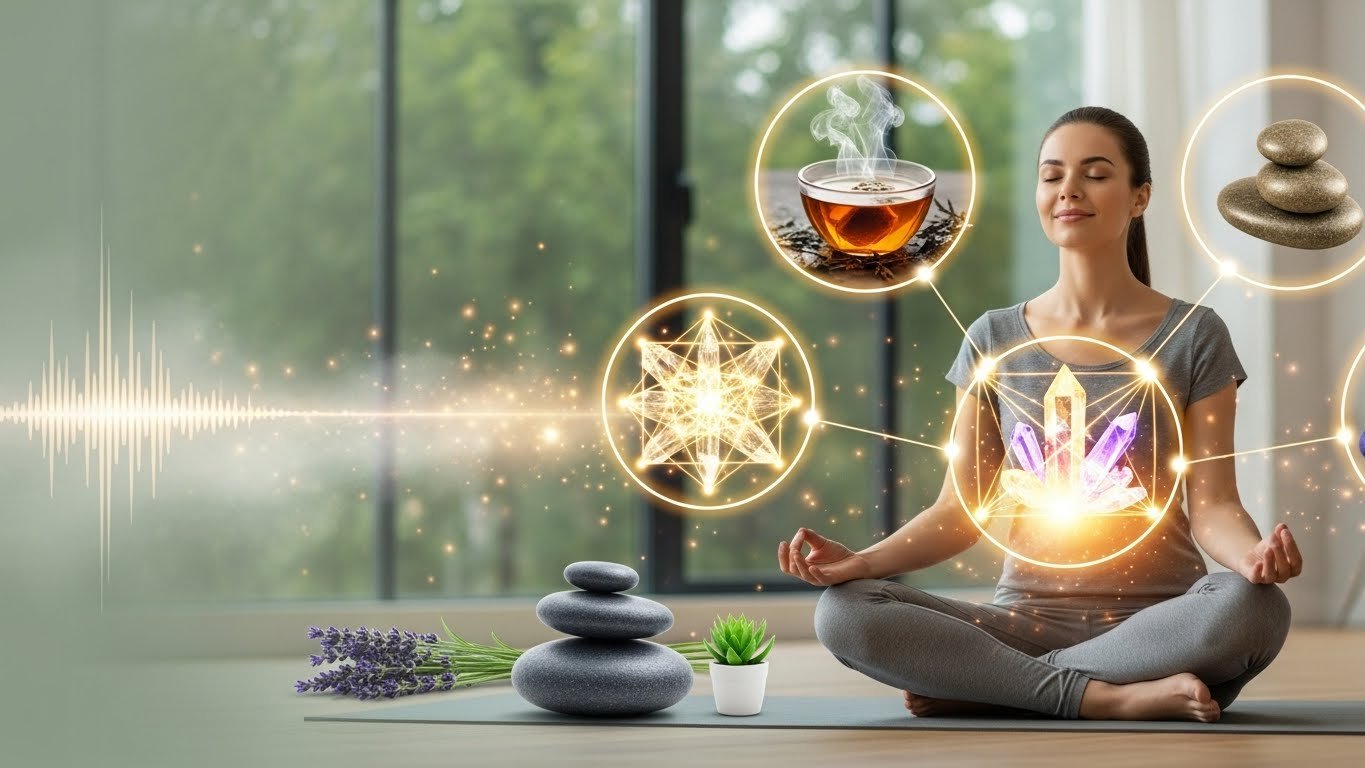
Modern wellness is undergoing a massive shift. For decades, the focus was on treating symptoms, following strict diets, and relying solely on traditional medical approaches. But today, growing research, cultural awareness, and personal experiences are pushing people toward something more complete:
Holistic healing — a whole-body, whole-mind, whole-life wellness system.
This transformation is reshaping everything from fitness and mental health to nutrition, recovery, and preventive care. Holistic wellness is no longer seen as “alternative”—it’s becoming mainstream, evidence-supported, and deeply integrated into modern lifestyles.
Below, we explore how holistic healing is redefining wellness and why it’s becoming the future of health.
Holistic Healing: The New Core of Modern Wellness
Holistic healing understands that health is not just physical.
It includes:
- Emotional well-being
- Mental clarity
- Spiritual balance
- Environmental harmony
- Lifestyle habits
- Stress management
- Nutrition and movement
Instead of treating just one issue, holistic wellness looks at everything connected to a person’s lifestyle. This broader perspective is exactly what modern consumers want—wellness that feels complete and improves life on every level.
Why People Are Choosing Holistic Wellness Over Old Trends
Modern society is facing:
- Rising stress levels
- Poor sleep
- Chronic pain
- Anxiety and burnout
- Excessive screen time
- Inflammation & lifestyle diseases
Traditional methods don’t always provide long-term solutions.
Holistic healing offers:
- More balance
- Natural tools
- Personalized care
- Mind-body integration
- Sustainable practices
This shift from “quick fixes” to whole-person wellness is driving the biggest wellness transformation today.
Mind-Body Wellness Is Leading the Global Shift
The connection between mind and body is now medically validated.
Holistic wellness practices like:
- Meditation
- Breathwork
- Yoga
- Tai Chi
- Sound therapy
- Mindfulness training
are proven to:
- Lower stress cortisol
- Improve sleep quality
- Boost immunity
- Reduce inflammation
- Enhance emotional stability
This science-backed shift has made mind-body practices a central pillar of wellness today.
Holistic Nutrition Is Overtaking Fad Diets
People are moving away from restrictive diets like keto, extreme fasting, or detox cleanses.
Holistic nutrition focuses on:
- Whole foods
- Balanced meals
- Natural ingredients
- Anti-inflammatory eating
- Gut-healing foods
- Hormone-balancing nutrients
It asks the bigger question:
What does your body truly need?
This approach improves digestion, energy, mood, and long-term health — far more sustainably than trendy diets.
Energy Healing Is Becoming Mainstream
What used to be niche is now widely accepted.
Popular holistic energy-based therapies include:
- Reiki
- Chakra balancing
- Acupuncture
- Reflexology
- Qigong
While once misunderstood, these practices now appear in:
- Wellness retreats
- Corporate programs
- Hospitals
- Mental health clinics
- Spa therapies
Research shows energy-based healing can support stress relief, emotional balance, pain reduction, and relaxation.
Holistic Fitness Is Redefining Movement
Fitness is no longer just about “burning calories.”
Holistic fitness prioritizes:
- Mobility
- Flexibility
- Strength + breath
- Posture
- Longevity
- Stress-free movement
Popular trends include:
- Pilates
- Functional training
- Yoga-lates
- Mindful strength training
- Mobility-focused workouts
- Barefoot movement
The goal?
A body that feels good, moves freely, and stays healthy long-term.
The Rise of Integrative Healing: Science + Nature
Integrative healing combines:
modern medicine + holistic methods
It’s becoming a trusted approach in:
- Pain management
- Sleep improvement
- Mental wellness
- Chronic illness
- Digestive issues
- Stress disorders
Examples include:
- Using meditation for anxiety
- Herbal supplements for sleep
- Acupuncture for pain
- Nutrition therapy for inflammation
- Breathwork for stress
This blend provides balanced, personalized care — something people deeply value today.
Holistic Mental Health Practices Are Taking Center Stage
Mental health is now a global priority.
Holistic approaches go beyond therapy and medication.
They include:
- Journaling
- Nature therapy
- Affirmations
- Art therapy
- Breath alignment
- Emotional release practices
- Cognitive-mindfulness integration
These techniques help people create awareness, resilience, and emotional well-being.
Sleep Wellness: The Holistic Way
Sleep science and holistic healing now go hand-in-hand.
Holistic sleep methods use:
- Circadian rhythm alignment
- Blue-light reduction
- Natural supplements
- Breath-based relaxation
- Sound therapy
- Evening mindfulness
These techniques work with the body—not against it—improving sleep naturally and sustainably.
Holistic Herbal Therapy Is Gaining Global Popularity
Herbal remedies have become essential in modern wellness.
Popular herbs include:
- Ashwagandha (stress balance)
- Turmeric (inflammation)
- Ginger (digestion)
- Chamomile (sleep)
- Lavender (relaxation)
- Holy basil (immunity)
- Echinacea (cold prevention)
These natural tools complement medical care and support everyday well-being.
Social Wellness Is Becoming a Holistic Priority
Holistic wellness recognizes that humans are deeply social.
Healthy relationships improve:
- Emotional resilience
- Longevity
- Mental clarity
- Immune strength
Connection = Healing.
That’s why wellness programs now include:
- Support groups
- Community yoga
- Retreats
- Group meditations
- Wellness workshops
The future of wellness is community-based.
Holistic Detoxing Replaces Extreme Cleanses
Instead of dangerous detox diets, holistic detoxing focuses on:
- Hydration
- Liver-supporting foods
- herbal teas
- Breathwork
- Light movement
- Lymph drainage
- Dry brushing
- Stress reduction
True detoxing is gentle — not extreme.
Internal Link Suggestions
(If you share your site niche, I’ll tailor these perfectly.)
- “Top Mind-Body Wellness Practices for Beginners”
- “How Holistic Fitness Improves Long-Term Health”
- “Natural Ways to Reduce Stress and Boost Well-being”
- “The Rise of Functional Nutrition in Modern Wellness”
External Sources for Authority
- National Center for Complementary and Integrative Health
- Mayo Clinic – Holistic Treatments
- Harvard Mind-Body Medicine
- WHO – Wellness & Natural Therapies Research
FAQs
What is holistic healing?
A whole-person approach focusing on physical, mental, emotional, and spiritual well-being.
Is holistic healing scientifically supported?
Yes—many holistic practices like meditation, mindfulness, and acupuncture are backed by research.
How does holistic wellness differ from regular wellness?
It targets root causes, not symptoms, and addresses every aspect of your lifestyle.
Can holistic healing be combined with modern medicine?
Absolutely. Integrative wellness blends both for optimal results.
What are the most popular holistic trends today?
Mindfulness, functional nutrition, herbal therapies, energy healing, and holistic fitness.
Conclusion
Holistic healing is no longer a fringe concept—it’s the foundation of modern wellness. By integrating mind, body, and lifestyle, it provides a deeper path to health that’s sustainable, natural, and empowering. As more people seek balance, clarity, and long-term well-being, holistic healing will continue to dominate the future of wellness trends.
If you want a healthier, more grounded life, holistic wellness isn’t just a trend — it’s a transformation waiting to happen.
