


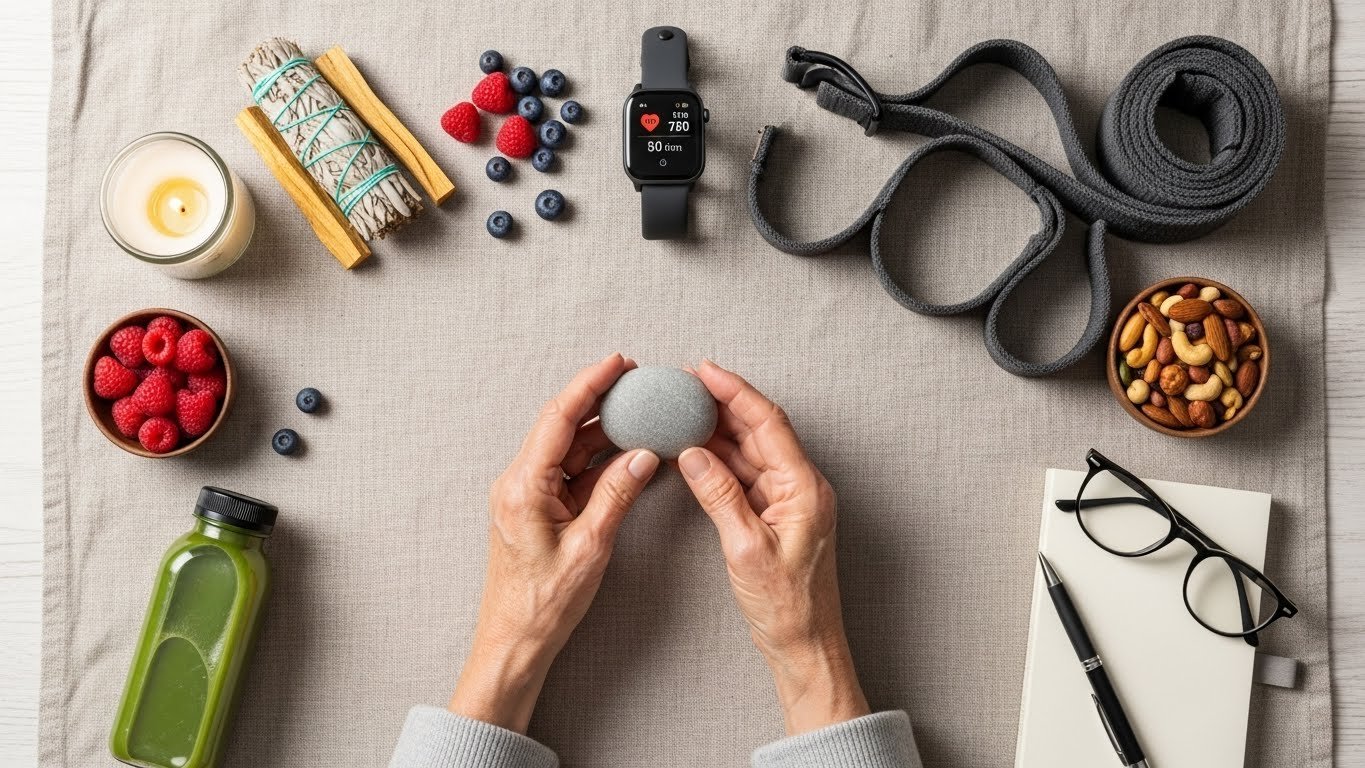
Aging used to be viewed as an unavoidable decline—but in 2026, the narrative has completely changed. Today, people don’t just want a long life; they want a high-quality, energetic, independent life fueled by smart health decisions and preventive wellness practices.
The rise of healthy aging has reshaped:
- Fitness habits
- Nutrition choices
- Sleep routines
- Mental health priorities
- Preventive healthcare
- Lifestyle technology
- Longevity supplementation
This shift is creating a powerful movement where aging is no longer feared—it’s celebrated and optimized.
Why Healthy Aging Matters More Than Ever
Modern lifestyles are fast, stressful, and sedentary. Many people reach their 40s and 50s feeling exhausted, in pain, or mentally drained.
But science today proves something incredibly motivating:
👉 Up to 80% of how you age is determined by lifestyle—not genetics.
This means you have the power to influence your:
- Energy levels
- Mobility
- Mental clarity
- Strength
- Immunity
- Longevity
Healthy aging is no longer a luxury—it’s a necessity.
The Biggest Healthy Aging Trends Transforming Wellness in 2026
Holistic Longevity Is Taking Over the Wellness World
Longevity isn’t only about supplements or fitness; it’s about whole-body optimization. That’s why holistic longevity integrates:
- Anti-inflammatory nutrition
- Strength and mobility training
- Stress reduction
- Hormone balance
- Gut health
- Sleep enhancement
- Brain health routines
People now understand that aging well requires harmony—not intensity.
Science-Backed Nutrition for Longevity
Modern longevity nutrition focuses on foods that slow cellular aging and support long-term vitality.
Top Longevity Foods in 2026
- Leafy greens
- Berries
- Omega-3 rich fish
- Nuts & seeds
- Olive oil
- Green tea
- Beans & lentils
These foods support heart health, brain health, digestion, energy, and joint function.
Longevity Eating Habits
- 80% full rule
- Anti-inflammatory meals
- High-fiber foods
- Balanced proteins
- Low sugar intake
- Gut-friendly probiotics
People aren’t dieting anymore—they’re adopting lifelong eating patterns.
Strength Training Becomes the #1 Anti-Aging Exercise
Muscle loss (sarcopenia) begins around age 30, but in 2026, strength training is being embraced as the most effective anti-aging tool.
Benefits of Strength Training for Aging
- Stronger bones
- Better posture
- Faster metabolism
- Reduced joint pain
- Better blood sugar control
- Slower aging
Aging strong is the new aging well.
Mobility and Flexibility Training Are Becoming Essential
Healthy aging requires a body that moves well. That’s why mobility has become a core wellness trend.
Popular Mobility Practices:
- Yoga
- Pilates
- Functional stretching
- Foam rolling
- Joint stability exercises
People want to stay flexible, pain-free, and active as long as possible.
Sleep Optimization: The New Anti-Aging Medicine
Sleep is now recognized as one of the most powerful tools for staying youthful.
Healthy Aging Sleep Practices
- Fixed sleep schedule
- 7–9 hours nightly
- Limiting blue light before bed
- Magnesium supplementation
- Cooler bedroom (18–19°C)
- Morning sunlight exposure
Good sleep = better hormones, faster recovery, sharper memory.
Mental Wellness Is Now a Core Longevity Pillar
Mental health is deeply connected to aging well. Chronic stress accelerates aging, while inner calm keeps the body balanced.
Top Mental Wellness Practices
- Mindfulness & meditation
- Stress-reduction routines
- Journaling
- Nature walks
- Social connection
- Digital detox habits
A peaceful mind supports a youthful life.
Wearables & Wellness Tech Are Driving Smart Aging
Technology is transforming how people monitor and improve their health.
Popular Healthy Aging Tech in 2026
- Smartwatches (HRV + sleep + recovery tracking)
- AI-powered health apps
- Light therapy devices
- Posture trackers
- Continuous glucose monitors (CGM)
- Home mobility and balance tests
Digital wellness tools help people prevent problems before they start.
Personalized Health Is the Future of Aging
One-size-fits-all health advice is outdated. Modern wellness revolves around customization.
Personalization Includes:
- DNA-based nutrition
- Hormone testing
- Gut microbiome analysis
- Metabolic tracking
- Tailored fitness plans
- Customized supplements
This personalized approach creates stronger results and healthier long-term aging.
How to Practice Healthy Aging Daily
Healthy aging doesn’t require perfection—it requires consistency.
Here are practical lifestyle shifts to adopt today:
Eat for Energy, Not Restriction
Aging bodies need high-quality fuel.
Focus on:
- Protein-rich meals
- Whole foods
- Anti-inflammatory spices
- Colorful vegetables
- Hydration
This protects muscle, brain, gut, and hormone health.
Move Every Day
Even a 15-minute walk improves:
- Blood flow
- Brain function
- Stress levels
- Joint mobility
Consistency is more important than intensity.
Protect Your Brain Health
Brain aging can be slowed by:
- Learning new skills
- Reducing chronic stress
- Eating omega-3 foods
- Sleeping well
- Staying socially connected
A sharp mind = a youthful life.
Prioritize Hormone Balance
Balanced hormones support:
- Energy
- Mood
- Motivation
- Weight control
- Sleep quality
Healthy aging requires supporting natural hormonal changes—not ignoring them.
Build Strong Social Relationships
Loneliness is as harmful as smoking.
Healthy aging requires community, connection, and meaningful social interaction.
The Emotional Side of Healthy Aging
Healthy aging isn’t just physical—it’s emotional.
People in 2026 are embracing:
- Grace
- Self-acceptance
- Confidence
- Slower living
- Inner peace
- Purpose-driven living
This emotional transformation is reshaping modern wellness culture.
Common Myths About Healthy Aging
Let’s bust the biggest misconceptions:
Myth 1: Aging automatically means losing strength.
Truth: With strength training, you can stay strong at any age.
Myth 2: Metabolism slows no matter what.
Truth: Muscle mass determines metabolism—and you can build muscle at any age.
Myth 3: Supplements are enough.
Truth: Healthy aging requires lifestyle, not shortcuts.
Myth 4: It’s too late to start.
Truth: Studies show people in their 60s–80s improve dramatically with small habits.
Healthy Aging Is Redefining the Future of Wellness
Healthy aging isn’t a trend—it’s the new foundation of wellness.
People now want:
- longer mobility
- active lifestyles
- mental sharpness
- stronger immunity
- youthful skin
- emotional resilience
- personal independence
This shift is reshaping fitness, nutrition, mental health, and overall lifestyle choices globally.
In 2026 and beyond, society is embracing aging as a powerful, beautiful, and meaningful stage of life.
Internal Link Suggestions
If your website includes wellness or lifestyle topics, you can link to:
- Best Foods for Longevity
- Top Fitness Routines for Active Aging
- How Sleep Improves Your Health
- Daily Mental Wellness Tips
External Authority Sources
To improve E-E-A-T:
- Harvard Health – Aging Research
- World Health Organization – Healthy Aging
- National Institute on Aging
- NHS – Healthy Living Guidelines
FAQs
What is healthy aging?
Healthy aging refers to adopting lifestyle habits that maintain physical, mental, and emotional well-being as you grow older.
Why is healthy aging trending in 2026?
People want quality of life, not just longer life spans. Wellness trends now focus on longevity, strength, brain health, and mobility.
Is it possible to stay strong as you age?
Yes. Strength training slows muscle loss, boosts metabolism, and keeps you active.
What foods support healthy aging?
Leafy greens, omega-3 fish, berries, nuts, seeds, whole grains, and antioxidants.
Can you start healthy aging habits later in life?
Absolutely. Research shows benefits at every age—even 60, 70, and beyond.
Conclusion
Healthy aging is transforming modern wellness trends by empowering people to live fuller, stronger, more energetic lives. This new movement focuses on long-term vitality—not quick fixes. By embracing smart nutrition, strength training, stress reduction, sleep, and technology, you can age with confidence and purpose.
The future of health is not about slowing aging—
it’s about aging well.
