


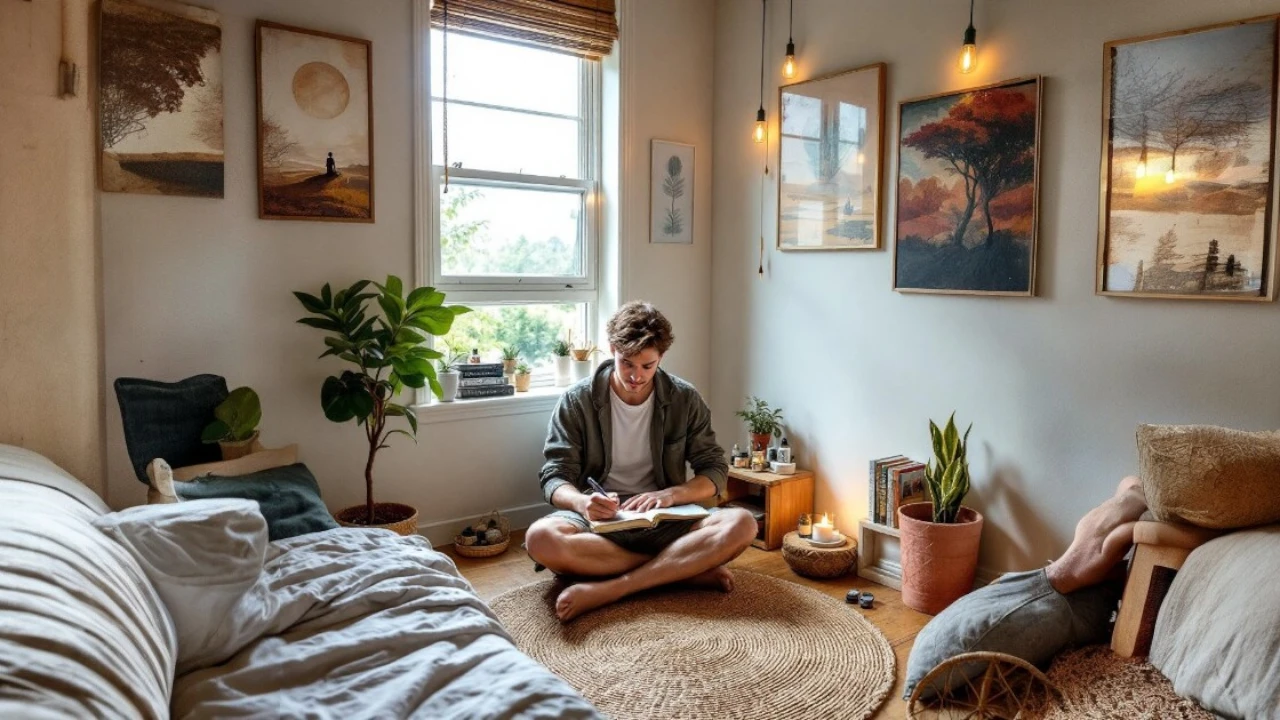
A sacred space at home is more than just décor—it’s a personal sanctuary for relaxation, reflection, and holistic healing. By thoughtfully designing a space that nourishes your senses and soul, you can reduce stress, enhance mindfulness, and support overall well-being.
Why a Sacred Space Matters for Holistic Healing
In our fast-paced, distraction-filled lives, we rarely have moments of pure stillness. A sacred space provides a dedicated environment for self-care, allowing you to connect with your mind, body, and spirit without interruptions.
Benefits include:
- Reduced stress and anxiety
- Improved focus and mindfulness
- A stronger sense of spiritual connection
- Support for meditation, prayer, or yoga practices
Understanding the Concept of a Sacred Space
A sacred space doesn’t have to be religious—it’s simply a place set apart for activities that restore your inner balance. Whether it’s a cozy corner, an entire room, or a small altar, the key is intentionality.
This space becomes your anchor, reminding you to pause, breathe, and reconnect with your true self.
Choosing the Right Location
- Quiet and Private: Select an area where you won’t be interrupted.
- Natural Light: Sunlight promotes positive energy and improves mood.
- Comfortable Temperature: Ensure it’s cozy year-round.
- Accessible: Make it easy to visit daily.
Tip: Even a small shelf or windowsill can become a powerful sacred space with the right energy and intention.
Essential Elements for Your Sacred Space
1. Comfortable Seating
Choose a cushion, yoga mat, or cozy chair—something that supports both comfort and posture.
2. Nature-Inspired Touches
Bring in plants, fresh flowers, stones, or crystals to connect with earth energy.
3. Lighting for Atmosphere
- Soft lamps, Himalayan salt lamps, or candles create a calming glow.
- Avoid harsh fluorescent lights.
4. Sensory Enhancements
- Sound: Soft music, singing bowls, or nature sounds.
- Smell: Essential oils, incense, or natural herbs.
- Touch: Soft blankets or textured fabrics for comfort.
5. Personal Symbols
Add items with personal meaning—photos, affirmations, spiritual statues, or mementos that inspire peace.
Setting an Intention for the Space
Before using your sacred space, take a moment to define its purpose:
- Is it for meditation, prayer, journaling, or yoga?
- Do you want it to help you release stress, gain clarity, or deepen gratitude?
Write your intention on paper and place it in the space as a reminder.
Daily Rituals to Maximize Healing
- Morning Mindfulness: Start your day with deep breathing or gratitude journaling.
- Midday Reset: Spend 5 minutes in your space to recharge.
- Evening Reflection: Meditate or practice gentle stretching before bed.
These consistent rituals create a healing rhythm in your life.
Maintaining the Energy of Your Sacred Space
- Keep it clean and clutter-free.
- Regularly refresh flowers, incense, or décor.
- Smudge with sage or palo santo to clear stagnant energy.
- Rearrange or redecorate as your healing journey evolves.
The Holistic Healing Connection
A sacred space supports mind-body-spirit alignment:
- Mind: Reduces stress, enhances focus.
- Body: Encourages relaxation, lowers blood pressure.
- Spirit: Deepens connection to inner peace and higher purpose.
This integration is the heart of holistic healing—where every part of you benefits.
Real-Life Example
Lena, a busy nurse, felt overwhelmed by work stress. She transformed a small corner of her bedroom with a floor cushion, salt lamp, and essential oil diffuser. Spending 10 minutes there each night with calming music helped her sleep better, feel calmer, and reconnect with her spiritual practices.
Conclusion
Your sacred space doesn’t have to be extravagant—it just has to be intentional, personal, and consistent. By dedicating a place in your home to holistic healing, you’re giving yourself permission to pause, breathe, and recharge—something your mind, body, and spirit will thank you for every day.
FAQs
Q1: Does a sacred space need to be large?
A: No, even a small corner or shelf can be transformed into a powerful healing space.
Q2: Can I share my sacred space with others?
A: You can, but it’s best to have a personal area where your energy feels protected.
Q3: What’s the best scent for relaxation?
A: Lavender, sandalwood, and chamomile are popular for calming energy.
Q4: How often should I use my sacred space?
A: Daily use strengthens its healing benefits and creates a consistent ritual.
Q5: Can technology be part of my sacred space?
A: If it supports healing—like guided meditation apps—it can be included, but avoid distractions.
Internal link suggestions:
- [Holistic Healing Practices You Can Start Today]
- [Mindfulness Techniques for Stress Relief]
External sources for credibility:
- Mayo Clinic – The role of mindfulness in stress reduction
- National Center for Complementary and Integrative Health – Mind and body approaches
