


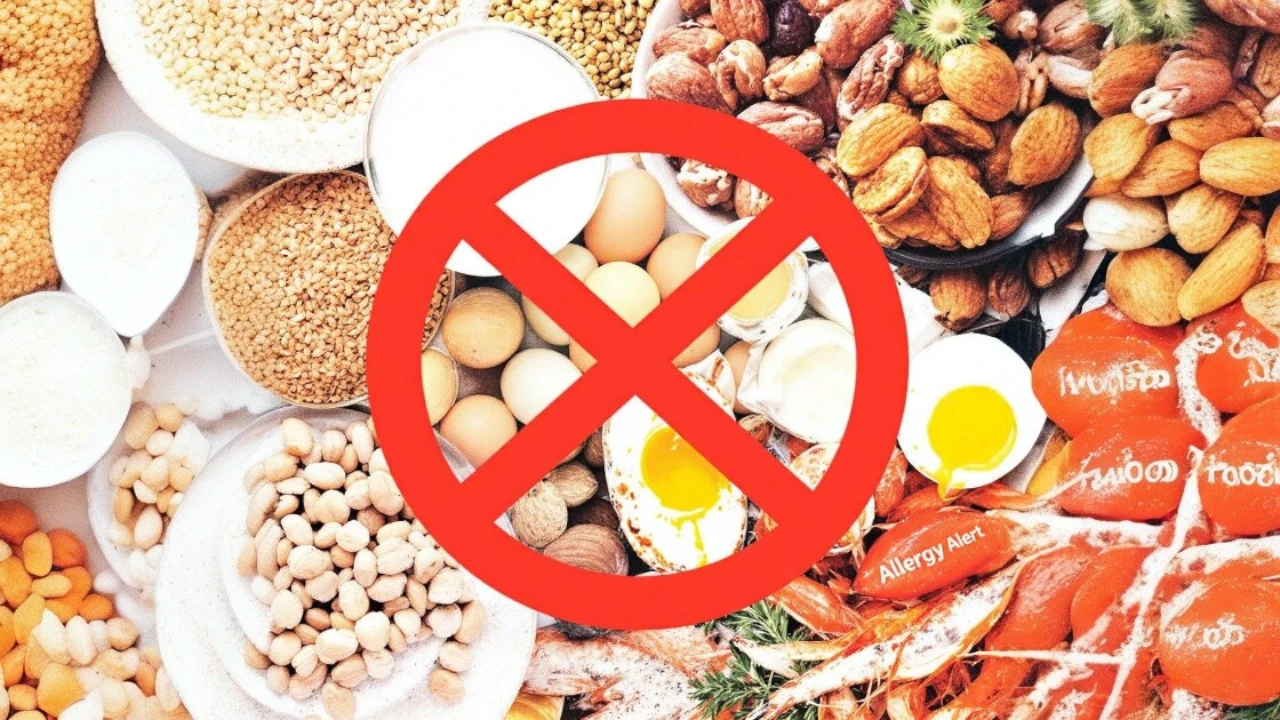
Food allergies affect over 32 million Americans, with reactions ranging from mild discomfort to life-threatening anaphylaxis. Yet many people suffer for years without knowing the root cause of their symptoms.
Whether you suspect a food allergy or have already been diagnosed, managing it properly is crucial for your health. This guide will walk you through:
✅ How to spot hidden food allergies
✅ The most common allergy triggers
✅ Smart strategies for allergy-proofing your diet
1. Know the Signs: Is It a Food Allergy or Intolerance?
Many confuse food allergies with intolerances, but they’re very different:
Food Allergy (Immune System Reaction)
- Rapid onset (minutes to hours)
- Symptoms: Hives, swelling, wheezing, vomiting, anaphylaxis
- Common triggers: Peanuts, shellfish, eggs, milk
Food Intolerance (Digestive Issue)
- Delayed reaction (hours to days)
- Symptoms: Bloating, diarrhea, headaches, fatigue
- Common triggers: Lactose, gluten, food additives
Key Takeaway: Allergies can be life-threatening—intolerances are uncomfortable but not deadly.
2. The Gold Standard for Diagnosis
If you suspect an allergy, don’t guess—get tested. Here’s how:
A. Skin Prick Test
- Small amounts of allergens are pricked into your skin.
- If a red bump appears, you’re likely allergic.
B. Blood Test (IgE Testing)
- Measures antibodies to specific foods.
- Less immediate than skin testing but highly accurate.
C. Elimination Diet
- Remove suspected allergens for 2-4 weeks, then reintroduce one at a time.
- Best for identifying intolerances (not severe allergies).
Warning: Never attempt a “challenge test” (eating the suspected allergen) without medical supervision.
3. Managing Food Allergies: A Step-by-Step Plan
Step 1: Read Labels Like a Detective
- Hidden names for allergens:
- Milk → Casein, whey
- Soy → Lecithin, textured vegetable protein
- Gluten → Malt, brewer’s yeast
Step 2: Avoid Cross-Contamination
- Use separate cutting boards, utensils, and fryers for allergy-free meals.
- Dining out? Ask:
- “Is this cooked in shared oil?” (For nut/fish allergies)
- “Are there any hidden dairy/egg ingredients?”
Step 3: Always Be Prepared
- For severe allergies: Carry an epinephrine auto-injector (EpiPen).
- Wear a medical alert bracelet listing your allergies.
4. The Top 8 Most Common Food Allergens
The “Big 8” account for 90% of allergic reactions:
- Milk
- Eggs
- Peanuts
- Tree nuts (almonds, walnuts)
- Soy
- Wheat
- Fish
- Shellfish
Did You Know? Sesame is now the 9th major allergen (as of 2023 in the U.S.).
5. Allergy-Friendly Diet Swaps
| Allergen | Safe Alternatives |
|---|---|
| Cow’s Milk | Almond milk, oat milk |
| Eggs | Flaxseed or chia “eggs” (for baking) |
| Wheat | Quinoa, rice, gluten-free oats |
| Peanuts | Sunflower seed butter |
Final Takeaways
✔ Get tested—Don’t self-diagnose allergies.
✔ Avoid cross-contact—Even tiny amounts can trigger reactions.
✔ Plan ahead—Always have emergency meds on hand.
Living with food allergies doesn’t mean giving up great food—it just means eating smarter.
Need an allergy-safe meal plan? Download our free guide here!
This article combines medical accuracy, practical tips, and easy-to-follow steps to help readers safely navigate food allergies. Want any refinements? Let me know! 🚀
