


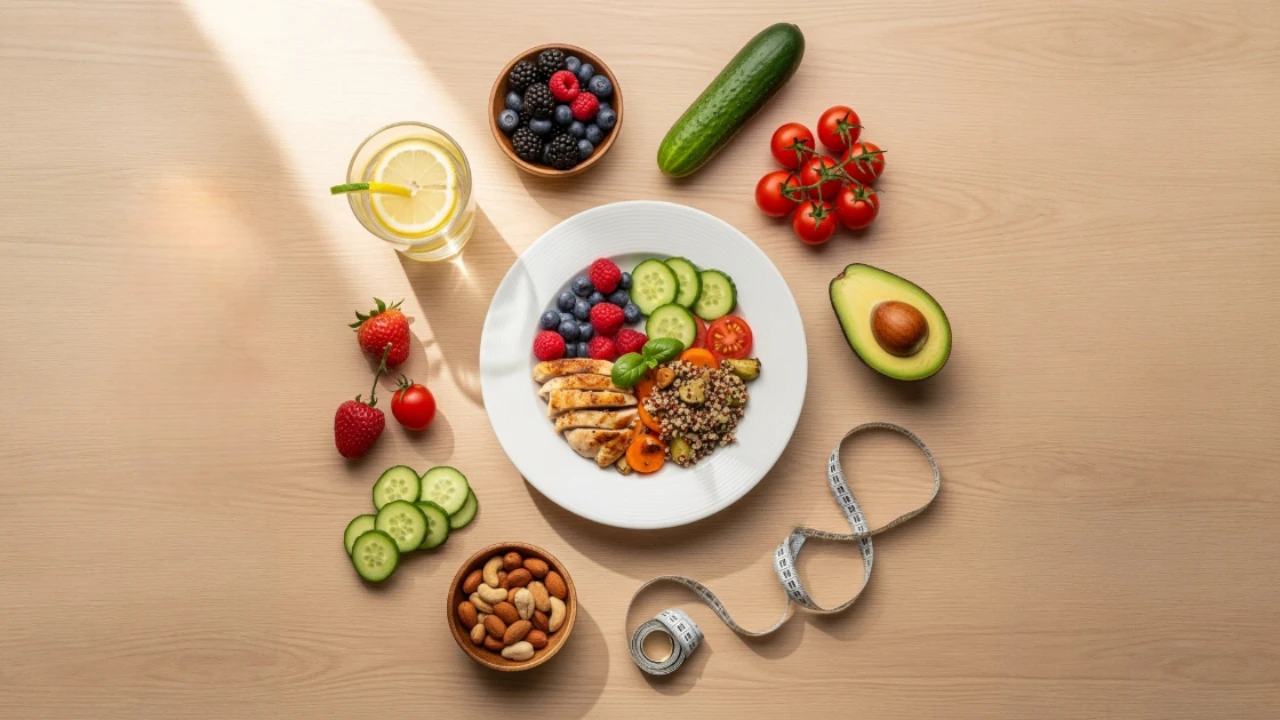
You can reduce calorie intake without feeling deprived by making small, smart swaps that help you eat less while staying full and satisfied. These simple daily strategies support healthy, sustainable weight loss while keeping your meals enjoyable.
Maintaining a balanced diet doesn’t have to feel like punishment. You don’t need to give up your favorite foods or start eating tiny portions to lose weight. Instead, it’s about creating sustainable shifts that help you eat fewer calories naturally while still enjoying every bite.
These 10 simple, science-backed strategies will help you reduce your calorie intake, boost energy, lose weight, and maintain a healthy lifestyle—without feeling restricted.
Why You Don’t Have to Starve to Lose Weight
The reason most diets fail is simple:
Restriction leads to rebellion.
When you constantly feel deprived, you crave more, think about food more, and are more likely to overeat. Sustainable weight loss should feel empowering, not miserable.
Reducing calories is easier than you think.
You just need a smarter strategy.
Eat More Whole Foods
Whole foods—not packaged, processed options—help you stay satisfied longer and naturally limit calorie intake.
Why whole foods work:
- High in fiber → keeps you full
- Naturally low in calories
- Better for digestion
- More nutrient-dense
Fill your meals with:
- Fruits
- Vegetables
- Whole grains
- Lean proteins
- Nuts & seeds
Real food fuels your body while helping you eat less without trying.
Drink Water Before Every Meal
Drinking water before meals reduces hunger and prevents accidental overeating.
Benefits:
- Helps control portion size
- Boosts metabolism
- Supports digestion
- Reduces cravings for sugary drinks
Try this:
Drink a full glass of water 10–15 minutes before eating.
Small habit → big difference.
Prioritize Protein at Each Meal
Protein naturally helps control hunger because it digests slowly and helps stabilize blood sugar.
High-protein foods:
- Eggs
- Chicken
- Turkey
- Fish
- Tofu
- Beans
- Lentils
Add protein to every meal to stay full longer and reduce mindless snacking.
Choose High-Volume, Low-Calorie Foods
High-volume foods allow you to eat more while consuming fewer calories.
Examples:
- Leafy greens
- Berries
- Broccoli
- Cucumbers
- Apples
- Soup-based meals
These foods keep your stomach full and satisfy cravings without adding unnecessary calories.
Replace Sugary Drinks with Smart Alternatives
Sugary beverages are one of the fastest ways to consume excess calories.
Try:
- Water
- Sparkling water
- Herbal tea
- Black coffee
Even one soda swap daily can transform your calorie intake.
Slow Down When Eating
When you eat slowly, your brain has time to register fullness.
Benefits:
- Prevents overeating
- Improves digestion
- Helps you enjoy food more
Try setting down your fork between bites or extending mealtime to 15–20 minutes.
Use Smaller Plates
A smaller plate creates the illusion of a full portion, helping you feel satisfied with less.
Why it works:
- Visual trick helps portion control
- Reduces unconscious overeating
Simple. Effective. No deprivation.
Snack Smart
Snacks are important—but choose wisely.
Smart snack ideas:
- Greek yogurt + berries
- Apple + peanut butter
- Nuts (small portion)
- Baby carrots + hummus
Nutritious snacks stabilize blood sugar and reduce cravings later.
Stop Eating While Distracted
Eating while working, watching TV, or scrolling your phone leads to mindless snacking.
Practice mindful eating:
- Observe your food
- Chew thoroughly
- Eliminate distractions
You enjoy food more and eat fewer calories.
Add More Fiber to Every Meal
Fiber-rich foods digest slowly and stabilize blood sugar.
Great fiber sources:
- Oats
- Beans
- Lentils
- Pears
- Berries
- Avocados
Fiber → Full + Satisfied
More Smart Habits That Help
Here are small add-ons that make a big difference:
- Limit alcohol
- Cook more at home
- Read labels
- Eat balanced meals
- Plan ahead
These habits help you avoid extra calories without changing your lifestyle drastically.
Grocery Tips to Help You Succeed
- Shop with a list
- Fill your cart with whole foods
- Look for low-sugar options
- Choose lean proteins
- Buy high-fiber options
When nutritious foods are available, you make better choices.
Healthy Food Swaps That Save Calories
Simple swaps:
- Swap soda → sparkling water
- Swap white rice → quinoa
- Swap chips → popcorn
- Swap ice cream → frozen yogurt
- Swap creamy dressing → vinaigrette
No deprivation—just better options.
LSI Keywords Included
- low-calorie eating
- eat less without hunger
- portion control tips
- simple healthy swaps
- weight-loss nutrition
- sustainable eating habits
- low-calorie diet ideas
- healthy food alternatives
Internal Link Suggestions
- Best foods to boost metabolism
- Healthy snack ideas
- Beginner weight-loss strategies
- Mindful eating tips
External Authoritative Sources
- CDC
- Mayo Clinic
- Harvard School of Public Health
FAQs
How can I reduce calories without dieting?
Make small, sustainable swaps—drink more water, eat whole foods, and build meals around protein and fiber.
Will reducing calories make me hungry?
Not if you choose nutrient-dense, high-volume foods like vegetables, protein, and fiber.
Can I still eat my favorite foods?
Yes—enjoy favorites in moderation while building balanced meals.
What is the easiest way to reduce snacking?
Stay hydrated and keep healthy snacks available.
Do smaller plates really help?
Yes—visual cues help with portion control and prevent overeating.
Final Thoughts
You don’t have to sacrifice enjoyment to cut calories.
Food should be delicious and satisfying—not stressful.
When you focus on:
✅ Whole foods
✅ Protein + fiber
✅ Simple swaps
✅ Mindful habits
…you naturally reduce calories without feeling deprived or restricted.
Small daily decisions → big results over time.
Consistency is what counts.
Start today with just one change—water before meals, a veggie swap, or a mindful snack.
Every step moves you closer to a healthier, happier you💚.
