


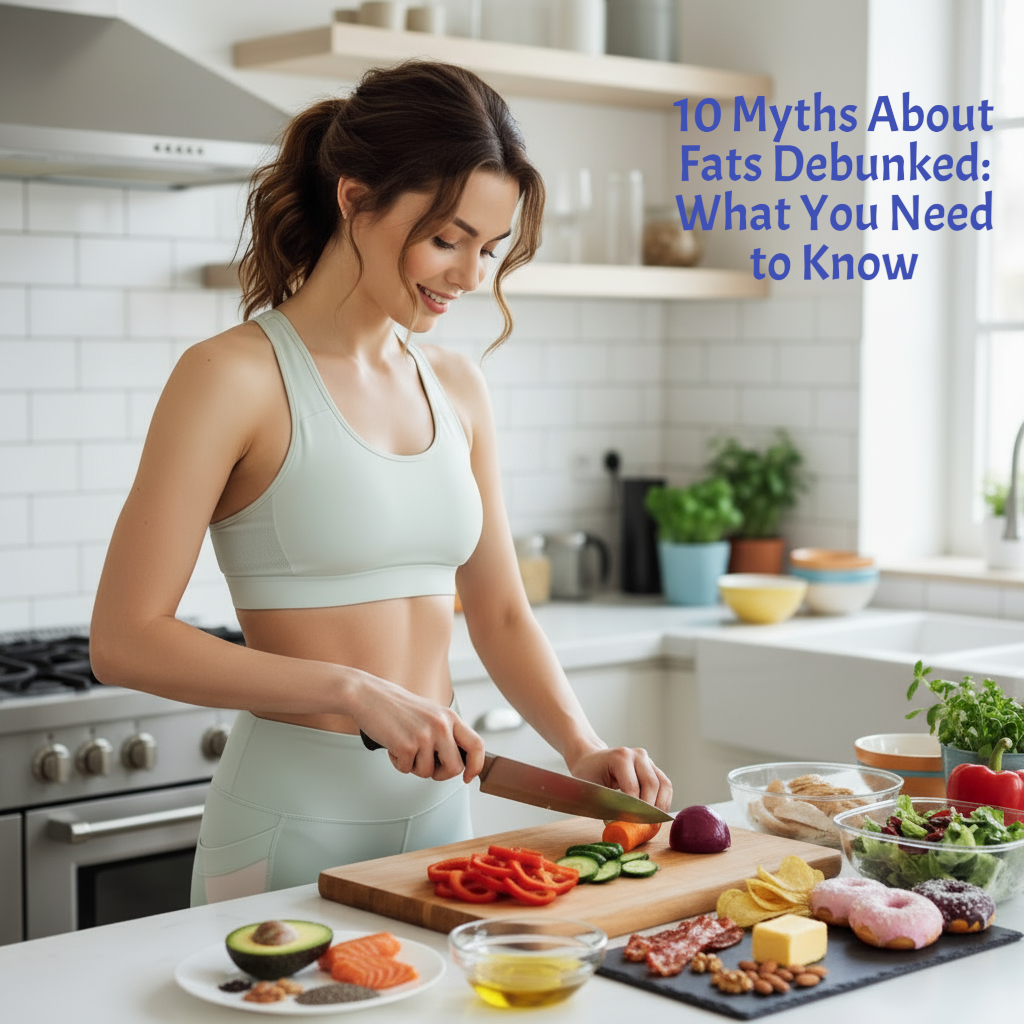
For decades, fats have been demonized as the root cause of obesity and heart disease. Supermarkets pushed “fat-free” products, diet culture warned us to cut them out, and many people still hesitate to add fats to their plates.
But science tells a different story: not all fats are bad. In fact, the right kinds of fats are essential for brain health, hormone regulation, energy, and overall well-being. The key is understanding the difference between harmful fats and healthy ones.
Let’s debunk the most common fat myths and uncover what you really need to know.
Myth One: Eating Fat Automatically Makes You Fat
The old belief that “fat equals fat” oversimplifies how the body works. Weight gain happens when you consume more calories than you burn, regardless of whether those calories come from fat, carbs, or protein.
👉 Truth: Healthy fats promote satiety, helping you feel full and reducing overeating. When eaten in moderation, they can actually support weight management.
Myth Two: All Fats Are Bad for Your Health
Lumping all fats together ignores important distinctions:
- Unsaturated fats (found in olive oil, nuts, and fatty fish) support heart health.
- Saturated fats (found in meat, dairy, and coconut oil) can be safe in moderation.
- Trans fats (found in processed foods and hydrogenated oils) are truly harmful.
👉 Truth: Only trans fats pose significant health risks. Unsaturated and moderate saturated fats play vital roles in overall health.
Myth Three: Low-Fat Diets Are the Healthiest Choice
The 1990s low-fat craze encouraged people to replace fats with refined carbs and sugar. This shift didn’t improve health outcomes—in fact, it contributed to higher rates of obesity and diabetes.
👉 Truth: A balanced diet rich in healthy fats supports energy levels, nutrient absorption, and long-term heart health.
Myth Four: Saturated Fat Always Leads to Heart Disease
Saturated fats have long been blamed for cardiovascular problems, but research shows the relationship is more nuanced. Some studies reveal that excess refined carbs and sugar may be bigger culprits in heart disease than moderate saturated fat intake.
👉 Truth: A small amount of saturated fat from whole foods like dairy or meat can fit into a balanced diet. The real danger comes from ultra-processed foods and trans fats.
Myth Five: Vegetable Oils Are Always the Best Option
Many vegetable oils, like soybean or corn oil, are heavily processed and high in omega-6 fatty acids. Consuming too much omega-6 without enough omega-3 can contribute to inflammation.
👉 Truth: Stick with healthier oils like extra virgin olive oil, avocado oil, and flaxseed oil for cooking and salads.
Myth Six: Fats Should Be Avoided for Weight Loss
Some people believe cutting fats is the only way to slim down. But healthy fats help regulate hormones, curb cravings, and provide long-lasting energy. Diets like the Mediterranean diet and ketogenic diet prove that fat can play a central role in effective weight management.
👉 Truth: Eating healthy fats in the right portions can support, not sabotage, weight loss.
Myth Seven: Fats Always Raise Cholesterol Levels Dangerously
Not all fats affect cholesterol the same way.
- Trans fats raise LDL (bad cholesterol) and lower HDL (good cholesterol).
- Unsaturated fats lower LDL and raise HDL.
- Saturated fats may raise cholesterol slightly, but they also improve HDL balance.
👉 Truth: Focus on the type of fat you eat rather than avoiding fats altogether.
Myth Eight: Fats Slow Digestion and Make You Sluggish
Because fats digest more slowly than carbs, people often assume they cause sluggishness. But that slower digestion actually helps stabilize blood sugar and provide steady energy throughout the day.
👉 Truth: Healthy fats don’t weigh you down—they fuel consistent energy and prevent sugar crashes.
Myth Nine: You Can’t Build Muscle on a High-Fat Diet
Protein gets most of the attention in strength training, but fats are just as important. Hormones like testosterone rely on dietary fat, and without proper hormone regulation, muscle growth stalls.
👉 Truth: Balanced fat intake supports muscle repair, recovery, and overall strength gains.
Myth Ten: Plant-Based Diets Don’t Provide Enough Fat
Plant-based eaters often hear they’ll struggle to get enough fat. But avocados, nuts, seeds, olives, and coconut products are rich in healthy fats that support heart and brain health.
👉 Truth: Vegans and vegetarians can easily meet their fat needs with plant-based sources.
Why Healthy Fats Are Essential for Your Body
Now that we’ve cleared up the myths, here’s why fats belong in your diet:
- Brain power: About 60% of your brain is fat.
- Hormone regulation: Fats support production of estrogen, testosterone, and cortisol.
- Nutrient absorption: Vitamins A, D, E, and K need fat for absorption.
- Cell health: Every cell membrane in your body is made of fat.
- Energy reserve: Fats provide slow-burning, efficient fuel.
Best Sources of Healthy Fats
Incorporate these into your meals for better health and energy:
- Extra virgin olive oil
- Avocados
- Nuts and seeds (almonds, chia, flax, walnuts)
- Fatty fish (salmon, sardines, mackerel)
- Coconut oil in moderation
- Nut butters without added sugar
Mistakes to Avoid with Fats
Even when eating healthy fats, certain habits can sabotage your diet:
- Overeating calorie-dense foods like nuts.
- Using refined vegetable oils in high-heat cooking.
- Neglecting balance between omega-3 and omega-6.
- Frying foods at extreme temperatures.
Conclusion: The Truth About Fats
For too long, fats have been unfairly villainized. The truth is simple: your body needs fats to function. By avoiding trans fats, embracing healthy sources, and maintaining balance, you can enjoy the many benefits fats provide—from energy to brain health to muscle recovery.
Instead of fearing fats, start choosing them wisely. A plate with the right balance of proteins, carbs, and healthy fats will keep you energized, satisfied, and thriving.
FAQs About Fats
Can eating healthy fats reduce cravings?
Yes. Healthy fats keep you full longer and help prevent overeating.
What’s the healthiest cooking oil?
Extra virgin olive oil is one of the best choices due to its antioxidants and stable fat profile.
Should I completely avoid butter?
Not necessarily. Small amounts of real butter are fine, but replace most with healthier oils.
How can I balance omega-3 and omega-6 fats?
Eat more fatty fish, chia seeds, and flaxseeds while limiting refined vegetable oils.
Do children also need healthy fats?
Absolutely. Fats are critical for children’s brain development and overall growth.
Internal link suggestion: Check out our full guide on [healthy eating on the go] to balance meals anywhere.
External link suggestion: For research-based insights, visit Harvard Nutrition Source on fats.
