


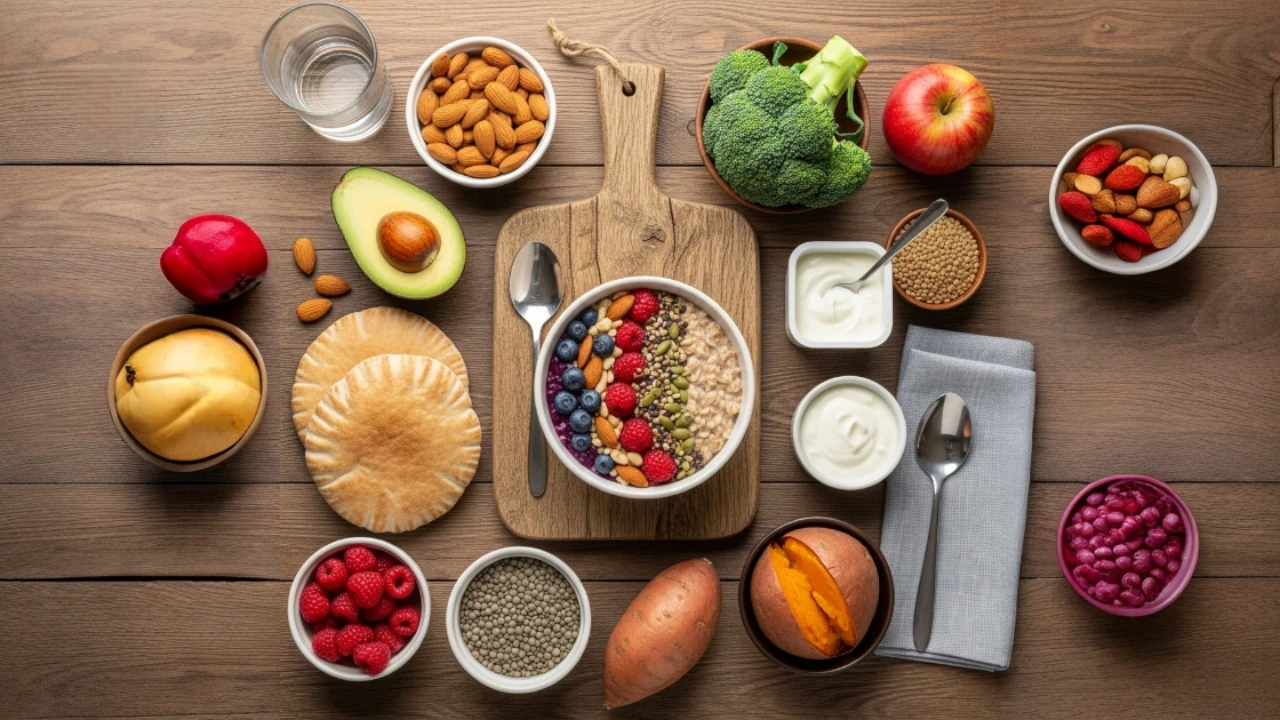
Your gut is more than a digestion hub—it affects energy, immunity, mood, and even brain function. A balanced gut microbiome helps your body break down food, absorb nutrients, and eliminate waste efficiently.
Gut Health and Overall Wellness Connection
Researchers link poor gut health to issues like bloating, constipation, fatigue, inflammation, and weakened immunity. A thriving gut microbiome, rich in good bacteria, supports healthy digestion and mental clarity.
How Fiber Plays a Key Role in Digestion
Dietary fiber feeds beneficial gut bacteria, improves stool movement, and reduces digestive discomfort. Soluble fiber forms a gel-like substance that softens stool, while insoluble fiber adds bulk and speeds up bowel movements.
Top High-Fiber Foods for a Healthier Gut
Oats – A Gentle Source of Soluble Fiber
Oats contain beta-glucan, a soluble fiber that promotes smooth digestion and nourishes good gut bacteria.
Why it helps:
- Stabilizes blood sugar
- Supports weight management
- Reduces cholesterol
Add oats to breakfast bowls, smoothies, or bake them into healthy treats.
Lentils – Gut-Friendly Plant Protein and Fiber
Lentils are rich in both protein and fiber, making them perfect for digestive wellness.
Benefits include:
- Improve bowel movements
- Support muscle health
- Keep you full longer
Enjoy lentils in soups, stews, salads, or curries.
Chia Seeds – Tiny Seeds Packed with Big Benefits
Chia seeds absorb water and expand, turning into a gel that aids digestion.
What makes them powerful:
- High soluble fiber
- Support probiotics
- Reduce constipation
Sprinkle chia seeds into yogurt, oatmeal, or smoothies.
Apples – Pectin-Rich Fruit for Better Digestion
Apples contain a fiber called pectin that promotes healthy gut bacteria.
Benefits:
- Easy to digest
- Reduces inflammation
- Supports weight loss
Eat apples raw, baked, or blended into smoothies.
Broccoli – Cruciferous Vegetable for Fiber and Antioxidants
Broccoli offers both fiber and plant compounds that reduce inflammation.
Why your gut loves it:
- Strengthens gut lining
- Supports detoxification
- Lowers risk of digestive diseases
Steam, roast, or stir-fry broccoli for best taste and nutrition.
Sweet Potatoes – Fiber-Filled and Nutrient-Dense
Sweet potatoes contain both soluble and insoluble fiber.
Perks include:
- Smooth digestion
- Blood sugar regulation
- Vitamin A for gut lining repair
Bake, roast, or use in grain bowls for a hearty meal.
Chickpeas – Versatile and Great for Gut Flora
Chickpeas are rich in resistant starch, a type of fiber that feeds good gut bacteria.
Why they stand out:
- Improve bowel regularity
- Support healthy cholesterol levels
- Keep you full longer
Use chickpeas in hummus, salads, or roasted as a snack.
Flaxseeds – Omega-3 and Fiber Combo
Flaxseeds provide lignans, omega-3 fatty acids, and fiber.
Benefits:
- Reduce inflammation
- Promote bowel movement
- Help balance hormones
Ground flaxseeds are easier to digest than whole seeds.
Berries – Antioxidant-Rich Fiber Boosters
Strawberries, blueberries, raspberries, and blackberries offer plenty of fiber and antioxidants.
Why they’re ideal for gut health:
- Low in sugar
- High in polyphenols
- Support microbiome diversity
Add them to yogurt, oatmeal, or smoothies.
Whole Grains – Essential for Digestive Balance
Whole grains like brown rice, quinoa, barley, and whole wheat provide slow-digesting fiber.
Benefits:
- Support steady energy levels
- Improve bowel regularity
- Reduce risk of heart disease
Choose whole-grain bread, pasta, or cereals for everyday meals.
How to Add More Fiber Without Digestive Discomfort
- Increase fiber slowly, not all at once
- Drink more water to help fiber do its job
- Combine both soluble and insoluble fiber sources
- Cook vegetables to make fiber easier to digest
Benefits of Eating Fiber-Rich Foods Daily
- Better bowel movements
- Reduced bloating and constipation
- Stronger immune system
- Improved metabolism and weight control
- Reduced risk of diabetes and heart disease
Delicious Ways to Enjoy High-Fiber Foods
- Start your day with oatmeal topped with berries and chia seeds
- Add lentils or chickpeas to salads and soups
- Snack on apple slices with peanut butter
- Mix flaxseeds into smoothies or whole-grain pancakes
- Build grain bowls with quinoa, sweet potatoes, and broccoli
Common Mistakes to Avoid When Increasing Fiber Intake
- Adding too much fiber too fast
- Ignoring water intake
- Depending only on supplements instead of whole foods
- Skipping essential nutrients like protein and healthy fats
Frequently Asked Questions
How much fiber should I eat daily?
Most adults need 25–30 grams of fiber every day for optimal gut health.
Can too much fiber cause bloating?
Yes. Increase fiber gradually and drink enough water to avoid gas and discomfort.
Are fiber supplements as good as whole foods?
Whole foods offer more nutrients, antioxidants, and prebiotics than supplements.
What is the best time to eat high-fiber foods?
Spread fiber throughout the day across meals and snacks for better absorption.
Do children need fiber too?
Yes, but in smaller amounts based on age and calorie needs.
Final Thoughts: Nourish Your Gut for Long-Term Health
Gut health influences everything—from your immune system to your mood. Adding high-fiber foods daily is a simple but powerful way to strengthen digestion and support a healthy gut microbiome. Start small, stay consistent, and enjoy the benefits of better energy, regular digestion, and long-term wellness.
Looking for more nutrition tips? Explore trusted resources like Harvard Health and Healthline for ongoing guidance.
