


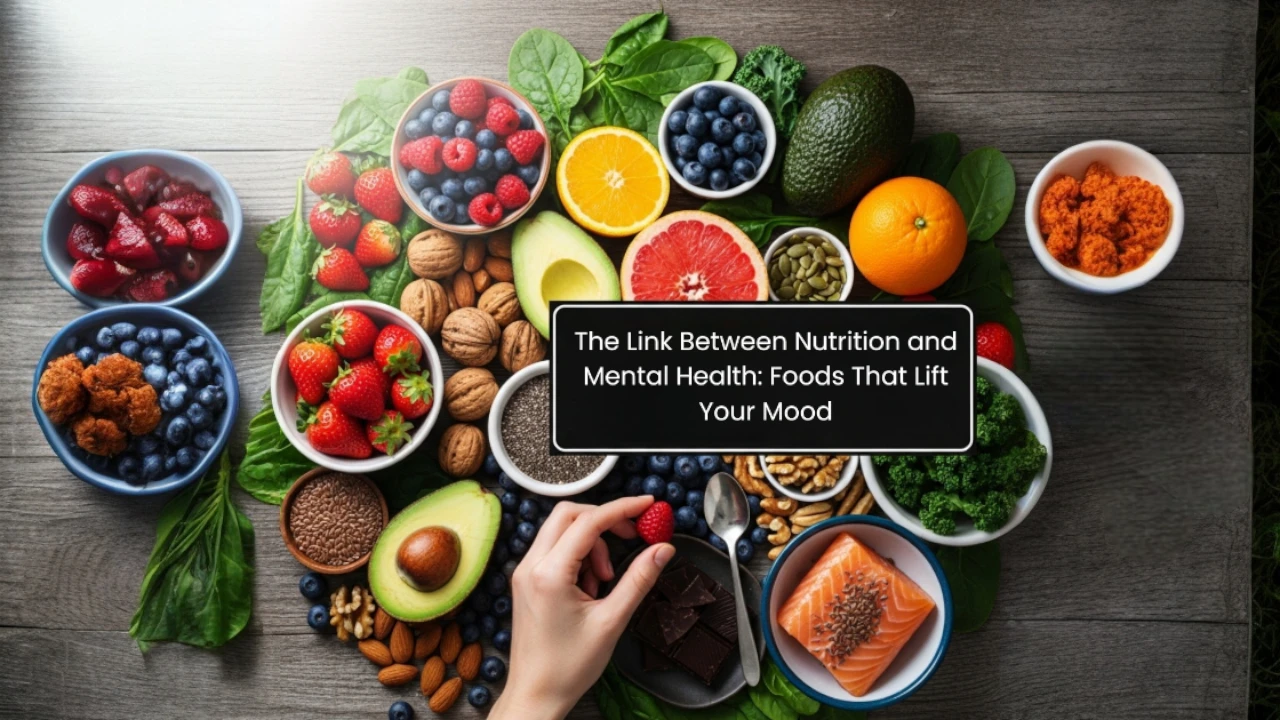
You’ve probably heard the phrase “you are what you eat.” But did you know it also means “you feel what you eat”?
The connection between your gut and brain—often called the gut-brain axis—is one of the most powerful discoveries in modern health science. The foods you eat influence neurotransmitters like serotonin, dopamine, and GABA, which directly affect mood, motivation, and emotional balance.
In fact, around 90% of serotonin, the “happiness hormone,” is produced in your gut—not your brain. When your diet supports healthy gut bacteria, your mood naturally improves.
The Science Behind the Nutrition-Mind Connection
Researchers have found clear links between diet quality and mental health. People who eat whole, nutrient-rich foods—like fruits, vegetables, and healthy fats—tend to experience:
- Lower rates of depression and anxiety
- Better stress management
- Improved cognitive performance
- Higher energy and focus
Conversely, diets high in sugar, processed foods, and trans fats can increase inflammation and disrupt brain chemistry, leading to mood swings, fatigue, and emotional instability.
Key Nutrients That Boost Mental Health
Let’s break down the nutrients that directly affect how you think and feel.
Omega-3 Fatty Acids: The Brain’s Best Friend
Found in fatty fish (salmon, mackerel, sardines), flaxseeds, and walnuts, omega-3s reduce inflammation in the brain and support serotonin production. They’re proven to help ease depression and improve cognitive performance.
B Vitamins: The Mood Regulators
B vitamins—especially B6, B12, and folate—are essential for brain function and energy production. Low levels can lead to fatigue, brain fog, and irritability.
🟢 Sources: leafy greens, eggs, legumes, whole grains, and lean meats.
Magnesium: The Calming Mineral
Magnesium plays a key role in reducing stress and promoting relaxation. It helps regulate the nervous system and may lower symptoms of anxiety.
🟢 Sources: spinach, almonds, pumpkin seeds, dark chocolate.
Vitamin D: The Sunshine Nutrient
Deficiency in vitamin D is linked to seasonal affective disorder (SAD) and low mood. Getting enough sunlight or supplementing can help stabilize emotions.
🟢 Sources: sunlight, fortified foods, eggs, and fatty fish.
Antioxidants: The Stress Fighters
Oxidative stress can damage brain cells and lead to mental fatigue. Antioxidants from fruits and vegetables protect against this and enhance brain resilience.
🟢 Sources: berries, green tea, dark chocolate, and colorful veggies.
Top 10 Foods That Naturally Lift Your Mood
Let’s explore the foods scientifically shown to boost happiness and mental well-being.
1. Salmon
Rich in omega-3s and vitamin D, salmon supports serotonin production and fights inflammation.
2. Dark Chocolate (70% or higher)
Contains flavonoids, caffeine, and theobromine—all of which improve focus, mood, and brain function.
3. Bananas
Packed with vitamin B6, they help synthesize dopamine and serotonin, the body’s “feel-good” chemicals.
4. Yogurt and Kefir
Probiotic-rich foods that enhance gut health and improve communication along the gut-brain axis.
5. Blueberries
Loaded with antioxidants that protect the brain from oxidative stress and boost memory.
6. Leafy Greens
Spinach, kale, and Swiss chard are high in folate and magnesium—nutrients vital for calm and mental clarity.
7. Eggs
A powerhouse of choline and B vitamins, eggs support neurotransmitter synthesis and long-lasting energy.
8. Green Tea
Contains L-theanine, an amino acid that promotes relaxation without drowsiness. Perfect for focus and calm.
9. Nuts and Seeds
Provide healthy fats, magnesium, and protein for sustained energy and a happier mood.
10. Oats
A slow-digesting carbohydrate that stabilizes blood sugar, preventing the mood dips caused by energy crashes.
Foods That Can Sabotage Your Mental Health
Just as the right foods can boost your mood, the wrong ones can drag it down. Avoid or limit:
🚫 Processed foods – increase inflammation and impair neurotransmitter balance.
🚫 Refined sugars – cause blood sugar spikes and crashes that trigger anxiety and irritability.
🚫 Trans fats – found in fried or packaged snacks; linked to higher depression risk.
🚫 Excess caffeine – can overstimulate the nervous system and increase anxiety in sensitive individuals.
How to Eat for a Happier Mind – Simple Daily Tips
Here’s how to start aligning your plate with your peace of mind:
✅ Eat colorful — aim for a rainbow of fruits and vegetables daily.
✅ Prioritize protein — helps stabilize blood sugar and energy levels.
✅ Hydrate — even mild dehydration can affect mood and cognition.
✅ Mindful eating — slow down, savor your food, and eat with awareness.
✅ Balance — don’t restrict harshly; nourish your body with kindness.
Real-Life Example: The “Mood-Boosting Plate”
A balanced, mood-lifting meal could look like this:
🍽️ Grilled salmon, quinoa, and roasted vegetables, topped with olive oil and a sprinkle of pumpkin seeds.
Finish with a few squares of dark chocolate and green tea for a mindful energy lift.
This meal supports serotonin production, gut health, and stable energy—all essential for a happier brain.
FAQs About Nutrition and Mental Health
Q1: Can food really help with depression or anxiety?
Yes—studies show that people who eat whole, nutrient-dense diets report fewer symptoms of depression and anxiety.
Q2: Is coffee bad for mental health?
Moderate coffee intake can boost alertness, but too much may worsen anxiety or sleep issues.
Q3: How soon can you feel the benefits of eating better?
Most people notice improved mood and energy within 2–3 weeks of consistent, healthy eating.
Q4: Are supplements as effective as whole foods?
Whole foods are always best since they contain synergistic nutrients, but supplements can help fill gaps.
Q5: Can gut health really influence mental health?
Absolutely. The gut microbiome directly communicates with the brain through the vagus nerve and affects emotional regulation.
Conclusion: Nourish Your Body, Nurture Your Mind
Your mental health and your nutrition are deeply connected. Every bite you take is an opportunity to fuel not just your body—but your happiness, clarity, and calm.
By choosing whole, nourishing foods and avoiding processed options, you can transform your emotional well-being from the inside out.
✨ Remember: A healthy mind begins with a nourished plate. Eat intentionally. Feel extraordinary.
Internal Link Suggestions:
- Read next: “How to Eat for Energy: 10 Foods That Will Keep You Going All Day!”
- Explore: “10 Fitness Tech Innovations You Didn’t Know Existed – And How They Work!”
External Authoritative Sources:
- Harvard Health: Nutritional Psychiatry: Your Brain on Food
- NIH: The Role of Nutrition in Mental Health
